

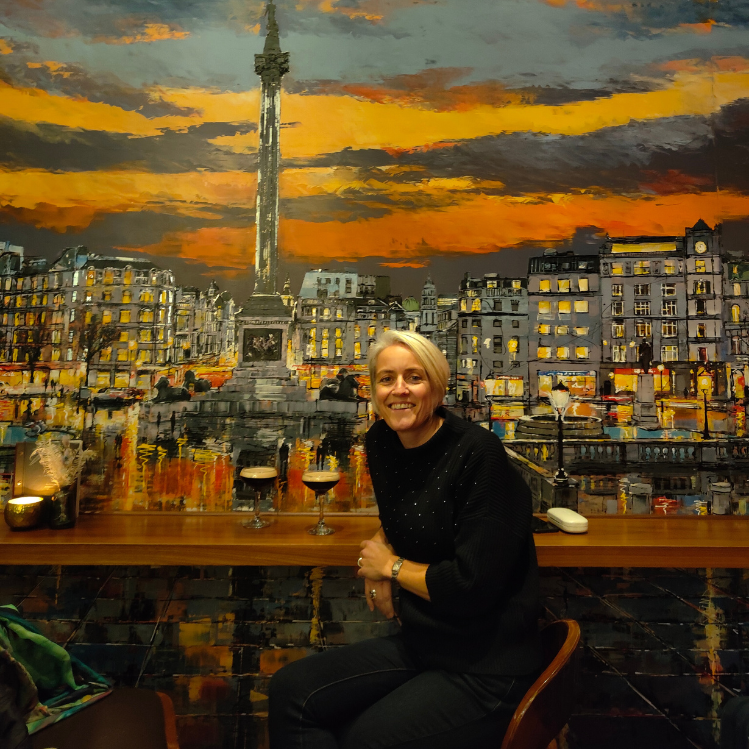
Tamsin Wakeham: From Survival to Self-Mastery — A Life Reclaimed
Tam’s story isn’t just one of survival — it’s one of reinvention. She has served in elite military roles, worked in high-pressure emergency services, and built a toolkit of psychological, energetic, and resilience-based techniques that few people possess. Her lived experience gives her a depth, presence, and authenticity that draws people in.
Whether she’s speaking on stage, coaching one-to-one, consulting with organisations, or delivering training, people don’t just listen to her — they feel her. They learn from someone who has walked through fire and come out with wisdom worth sharing.
Tam’s life has been defined not by what happened to her, but by the courage she found to rise above it. Growing up in an environment where she learned to internalise blame and hide her true self, she carried the weight of childhood trauma in silence. Survival meant perfection, invisibility, and never letting anyone see the turmoil beneath the surface. As a teenager she masked the pain with humour, hard work, and habits that helped her numb what she couldn’t yet face. She knew she was different, but in a world with no positive language around sexuality, she learned early that hiding felt safer than being seen.
“Survival keeps you going—self-mastery sets you free.”
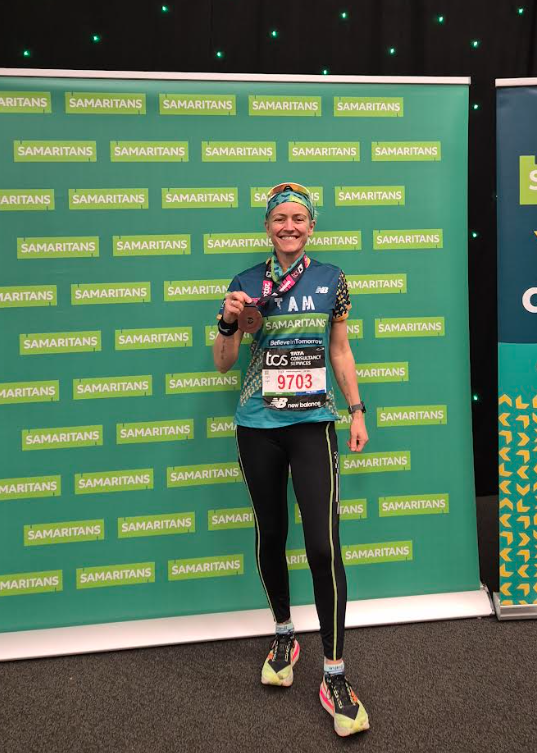
You’ve said your early life was about survival. What did that look like for you as a child?
Survival meant trying to be flawless. I believed everything was my fault, so I kept my feelings locked away. I became insular, constantly striving to be accepted while battling an inner voice that told me I wasn’t good enough. I knew I had feelings for women, but growing up at a time when being gay was ridiculed or feared made me push everything down. I lived in my head, trying desperately to feel “normal.”
When you joined the RAF at 19, what were you hoping it would change?
I hoped it would straighten out the confusion I felt about my sexuality. I thought the intensity of training and being surrounded by women 24/7 might somehow “fix” me. More than anything, I wanted to escape the expectations of settling down with a man and living a life that didn’t feel like mine. The RAF felt like a way out — a chance to start again.
How did being investigated for being gay affect you?
It was devastating. The fear of losing my career because of who I was dating was terrifying. I was only 19, still trying to understand myself, and suddenly I was being judged for something deeply personal. The scrutiny, the whispers, it all reinforced the belief that I was wrong, unworthy, and unsafe. I learned to bury my emotions even deeper. I drank heavily just to quiet the noise in my head. It was a lonely, frightening time.
When you left the UK for the US, what were you feeling?
A mix of numbness, fear, and hope. I was exhausted from living under constant scrutiny, but the idea of starting fresh in a new country was liberating. I wanted distance from the rumours and the fear of losing everything. I functioned well on the outside, but inside I was running on empty.
You chose careers in emergency services. Why did helping others feel natural?
Because I was used to operating on adrenaline. Crisis gave me purpose — it made me feel needed, useful, and distracted from my own pain. Helping others felt like a way to earn acceptance in a world that didn’t seem to accept me. If I could save others, maybe I could justify my place in society.
When you rejoined the RAF after the ban was lifted, what did it mean to you?
It meant pride. I returned as aircrew, determined to serve and to use my medical training to help others. I became the first woman to pass selection for the rear-crew winchman training course. But being a woman in a male-dominated environment came with resistance, and I was bullied out. Even though I no longer risked losing my job for being gay, acceptance was still hard to find. Rules change quickly — people’s beliefs don’t.
“Healing begins the moment you choose yourself.”
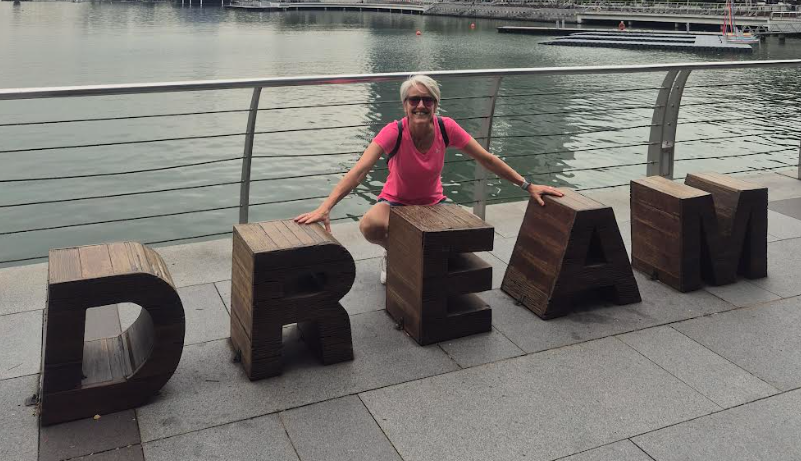
On the outside you were strong. Inside, what was really happening?
Inside, I felt empty. I battled imposter syndrome, depression, and a constant sense of not belonging. I hid behind confidence and humour, but at home I withdrew. I avoided talking about myself because I didn’t trust people. I chased adrenaline, relationships, and validation to fill a void that never seemed to close.
What made you finally stop and look inward?
I had been teaching resilience and CBT techniques, exploring Reiki, mindfulness, and coaching, but I still couldn’t reach myself. After a painful breakup, my ex suggested I try Energy Alignment Methodology (EAM). It changed everything. EAM allowed me to release old patterns and trauma without reliving them. Combined with the other modalities I’d studied, it finally helped me heal. I began to love myself — genuinely, not performatively — and from that place, everything shifted.
What helped you move from trying to fix yourself to accepting yourself?
Age, experience, and the realisation that self-hate was exhausting. I learned that energy matters — what you put out is what you attract. When I stopped fighting who I was and started embracing it, my confidence grew. I now surround myself with people who are committed to their own growth, and that environment has been transformative. I only wish I’d discovered this sooner, which is why I’m so passionate about helping others find their way faster than I did.
What would you say to someone still living in survival mode?
Stop and ask yourself: Are you happy? If the answer is no, something needs to change — and you deserve to make that change. Logistics can be figured out later. What matters is choosing yourself. No one wants to reach the end of their life full of regret. As Henry Thoreau said, “The mass of men live lives of quiet desperation and go to the grave with the song still in them.” My mission now is to help people find that song. I do this in several ways, through coaching, public speaking or energy work, I am still in the Military fulltime with a side business Talk with Tam.
Her life is proof that adversity doesn’t define you — how you rise from it does.