
From Fans to Participants: How K-pop Inspired Programs Are Redefining Learning Abroad
By Clea Nuss-Troles
A Global Cultural Movement
Over the past decade, South Korea has evolved into one of the most influential cultural forces in the world. At the heart of this movement lies K-pop — a genre that has transcended music to become a powerful global phenomenon. It shapes fashion, language, identity, and aspiration for millions of young people across continents. For many students, K-pop is not simply entertainment. It is an emotional connection. It represents discipline, creativity, and a sense of belonging to something larger than themselves. Young people do not just watch performances — they study them, admire the dedication behind them, and imagine what it might feel like to be part of that world. This shift from passive consumption to emotional engagement is now influencing how educational experiences are designed. Increasingly, international programs are recognizing that passion is not a distraction from learning, but a powerful gateway into it.
When Passion Meets Education
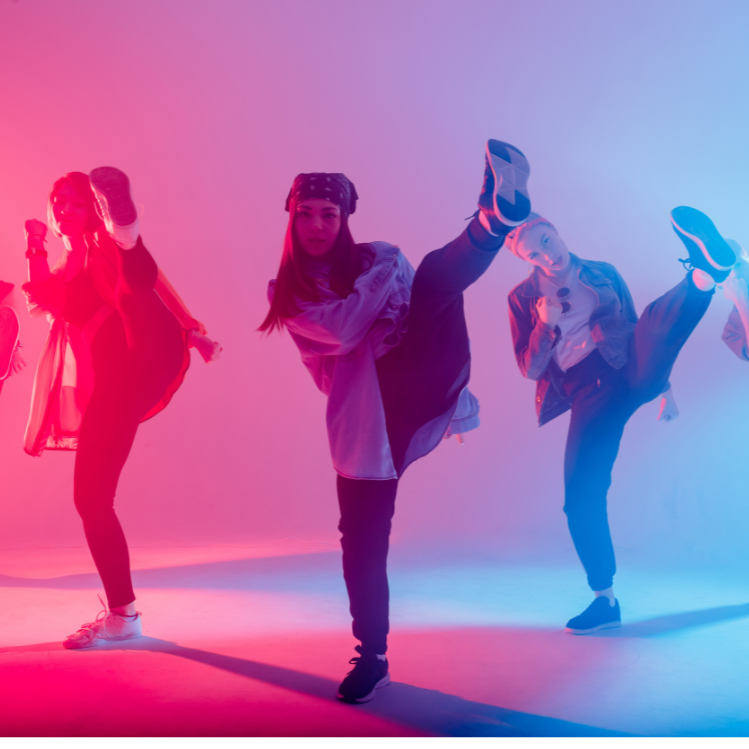
One of the most compelling developments in international education today is the integration of cultural interests into structured learning environments. K-pop-focused summer programs in Seoul are a striking example of this evolution. These programs invite students to step beyond the role of spectators and become active participants. Instead of watching choreography online, they enter professional dance studios. Instead of admiring performances from afar, they learn directly from experienced instructors who understand the precision and discipline required in the industry. This transformation changes everything. Learning becomes personal, physical, and meaningful. Students are no longer asked to engage with abstract concepts. They are immersed in an experience that already matters to them. The result is a level of motivation that traditional classroom environments often struggle to achieve. Passion fuels persistence, and curiosity drives deeper engagement.
Learning Through Immersion
What makes these programs particularly powerful is their immersive nature. Students are not observing Korean culture from a distance — they are living within it. Beyond structured training sessions, participants experience everyday life in Seoul. They navigate a dynamic global city, explore neighborhoods that blend tradition and modernity, and encounter cultural landmarks that give context to what they are learning. They share this journey with peers from around the world, creating an environment that is both diverse and deeply collaborative. Language learning is often integrated into the program, further deepening the experience. Understanding even basic Korean phrases allows students to connect more authentically with their surroundings. It shifts them from being visitors to participants. This combination of creative training, cultural immersion, and language acquisition creates a holistic learning environment that mirrors real life rather than isolating knowledge into separate categories.
A More Flexible Approach to Education Abroad
Another defining feature of these programs is flexibility. Today’s students are no longer satisfied with one-size-fits-all educational models. They seek experiences that reflect their individual interests, strengths, and aspirations. K-pop-inspired programs respond to this demand. Students can choose to focus on dance and performance, combine creative training with language learning, or enrich their experience with cultural exploration. This modular approach allows each participant to shape their journey. It reflects a broader transformation in education. Learning is becoming more personalized, more experiential, and more aligned with intrinsic motivation. It acknowledges a simple but powerful truth: young people learn best when they are genuinely engaged.
Confidence, Identity, and Global Perspective
While the visible outcomes of these programs may be dance skills or language development, their deeper impact lies in personal transformation. Students build confidence by stepping into unfamiliar roles. They gain independence by navigating a new environment far from home. They develop resilience as they adapt to new expectations and challenges. Equally important is the shift in identity. Participants begin to see themselves not as passive consumers of global culture, but as active contributors to it. They realize that they can engage, create, and participate on an international stage. This shift in perspective is often more valuable than any technical skill acquired during the program. Exposure to diverse peers also broadens their worldview. They encounter different perspectives, cultures, and ways of thinking — an essential foundation for thriving in an increasingly interconnected world.
The Future of International Learning
Programs inspired by K-pop represent more than a trend. They signal a meaningful evolution in how we understand education abroad. They demonstrate that learning does not need to be separated from passion. In fact, the most impactful learning often occurs precisely where personal interest, cultural immersion, and real-world experience intersect. As global mobility and cultural exchange continue to expand, educational models will increasingly move in this direction. They will become more experiential, more flexible, and more deeply connected to what inspires young people. Because when students are given the opportunity to engage with something they truly care about, learning is no longer something they have to do. It becomes something they choose. And that choice is where real growth begins.