
Retreat, Don’t Escape: Paulina Garbaciak on Coming Home to Yourself
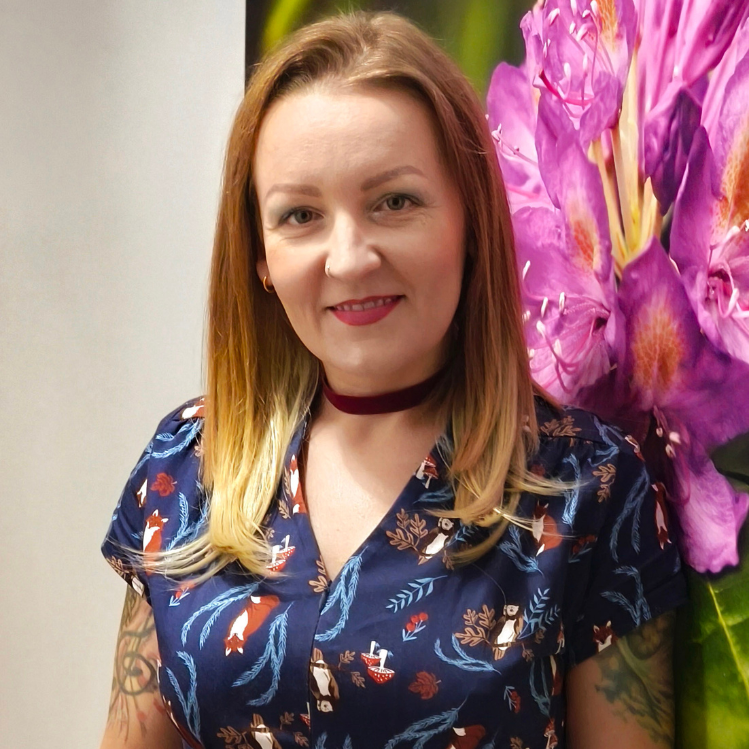
Meet Paulina Garbaciak, though most know her as Poli a holistic wellbeing coach, spiritual guide, and fitness professional who helps women reconnect with their bodies, minds, and inner wisdom. Driven by her own journey of learning that pushing harder doesn’t always lead to feeling better, Paulina discovered that true strength comes from listening, slowing down, and honoring yourself.
Having lived in Ireland and Malta, she’s embraced diverse cultures, perspectives, and spiritual practices, shaping a unique approach to wellbeing that blends grounded guidance with soulful exploration. Through her retreats, coaching, and daily practices, Paulina creates safe, supportive spaces for women to pause, recalibrate, and rediscover their authentic selves—because slowing down isn’t quitting; it’s coming home.
“Slowing down isn’t quitting—it’s coming home to yourself.”
How did living in different countries shape the way you see life and wellbeing?
Living in Ireland was the first time I truly met people from all over the world. It opened my mind in a big way, teaching me about different cultures, perspectives, and ways of living—and fostering deep respect for other people’s views and customs. It was also where my conscious spiritual journey really began. I started questioning, exploring, and opening myself to something beyond the physical.
Then came Malta, a whole quantum leap. There’s something deeply spiritual and feminine about the island—goddess-like energy. I met people who approached life in a soulful, mindful way, and it felt like finding my tribe. Malta helped me slow down, reflect, reconnect with nature, and appreciate life’s simple pleasures. It challenged me, shaped me, and ultimately helped me grow as a woman and a practitioner.
What do you notice most women are struggling with right now?
Many women are exhausted—but they’ve normalized it. They carry everyone else while quietly feeling disconnected from themselves, their bodies, and their inner guidance. I see women who are strong, capable, and high-functioning, yet deeply tired, overstimulated, and craving permission to rest without guilt. Many feel trapped by social expectations and unrealistic standards, longing for freedom and authentic expression—but often don’t even know who they truly are anymore.
Why do so many of us feel disconnected from our bodies?
Because we’ve been taught to treat our bodies like projects instead of homes. We override hunger, rest, emotions, and intuition—and then wonder why our bodies stop cooperating. Add constant stimulation, pressure to perform, and unrealistic standards, and it’s no surprise we end up living mostly in our heads, dragging our bodies along behind us.
How do you help women slow down without feeling like they’re failing at life?
I remind them that slowing down is not quitting—it’s recalibrating. Slowing down is an act of strength, not weakness. We don’t go from constant doing to suddenly “doing nothing”—that would feel terrifying for most high-functioning women. Instead, we slow down in ways that feel safe and supportive for the nervous system.
I use simple meditation practices, grounding techniques, mindset work, conscious movement that nourishes instead of punishes, and reconnecting with nature. The body remembers how to regulate when given the right environment—sometimes it’s as small as learning to breathe properly again. We also keep it real: we talk, we laugh, and we normalize how uncomfortable rest can feel at first. Slowing down doesn’t stop life—it allows everything to flow with more ease.
“True strength is staying with yourself, even when it feels uncomfortable.”
What makes your retreats different from a typical holiday or workshop?
My retreats are a very different kind of space. On a holiday, you’re often still planning, sightseeing, meeting people, filling the days. Workshops are usually packed with tools and information, which is great for the mind—but intense.
My retreats are about creating space to pause and listen—to yourself, your body, and your inner guidance. You don’t need to learn anything new, achieve anything, or be anyone other than who you are. There’s no pressure to perform or transform on demand. It’s a space to slow down on many levels: to calm the nervous system, reconnect with nature, soften the mind, and gently come back into the body. Through rest, simple practices, and meaningful connection with other women (and couples), people often remember parts of themselves they didn’t even realize were missing. It’s not an escape from life—it’s a return to yourself.
What does “strength” mean to you beyond the physical?
Strength is the ability to stay present with yourself, even when it’s uncomfortable. It’s setting boundaries, asking for help, resting without apology, and choosing yourself again and again. Physical strength is beautiful—but inner strength is what holds everything else together.
How do you bring spirituality into your work in a way that feels real and not forced?
I don’t separate spirituality from real life—it’s already there. It’s in breath, awareness, intention, and how we treat ourselves and others. I don’t believe in bypassing emotions with “love and light.” We feel it all, ground it in the body, and integrate it into everyday life—relationships, work, even washing the dishes.
For someone who feels overwhelmed, what’s one small place to start?
Pause. Literally pause. Sit down, place one hand on your heart, the other on your belly, take one conscious breath, and ask yourself: “What do I actually need right now?” Not what you should do—but what you need. That one moment of honesty can change the direction of your day.
What do you hope people feel or understand after working with you?
I hope they feel more at home in their bodies, more trusting of their own wisdom and guidance, and more confident in their choices. I hope they feel healthier, more conscious, and at peace with themselves. More joyful, with less pressure to perform—and with permission to simply be themselves. Ideally, a little lighter too, realizing life doesn’t always need to feel so heavy—even when it’s deep.