
Finding Yourself Again with Valbona Sulaj: The Story of New Impact Coaching
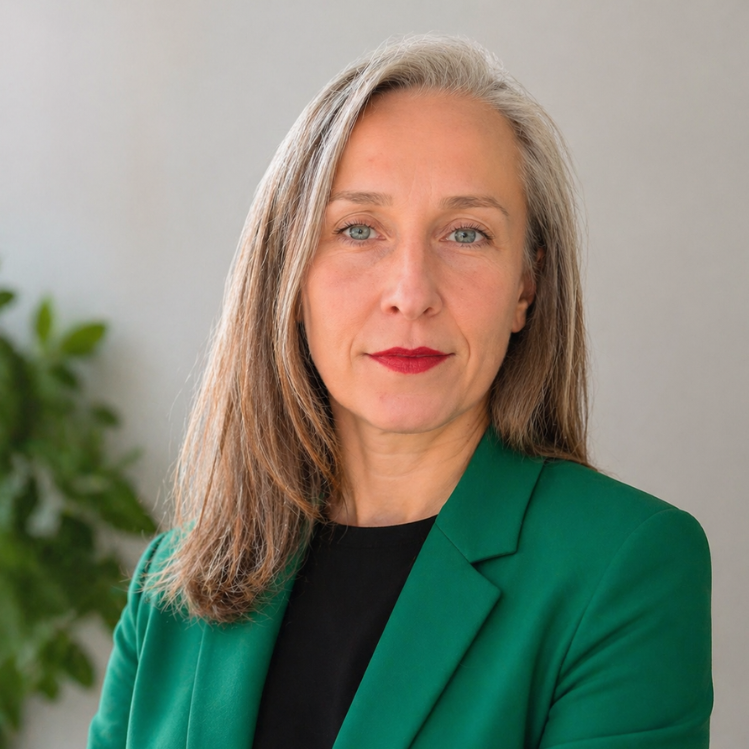
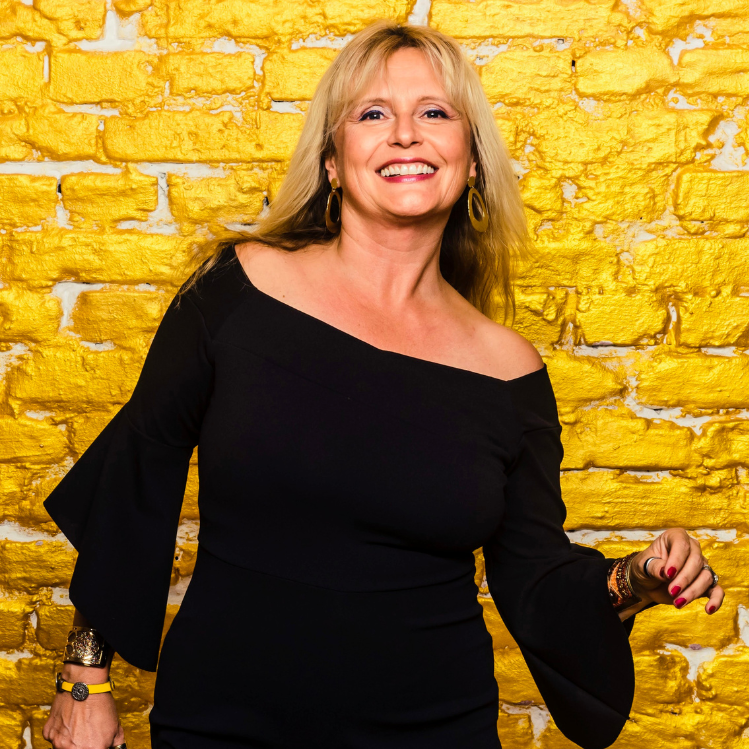
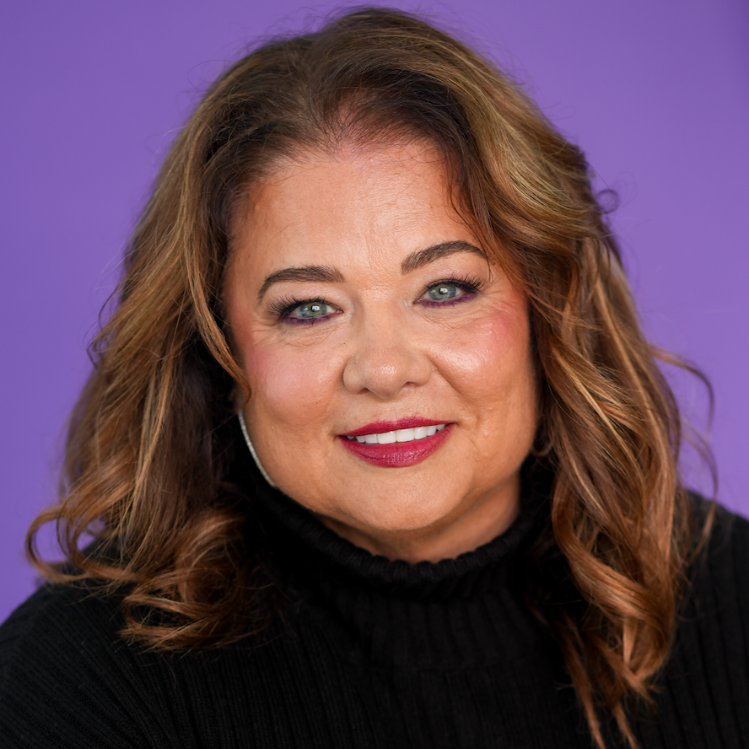
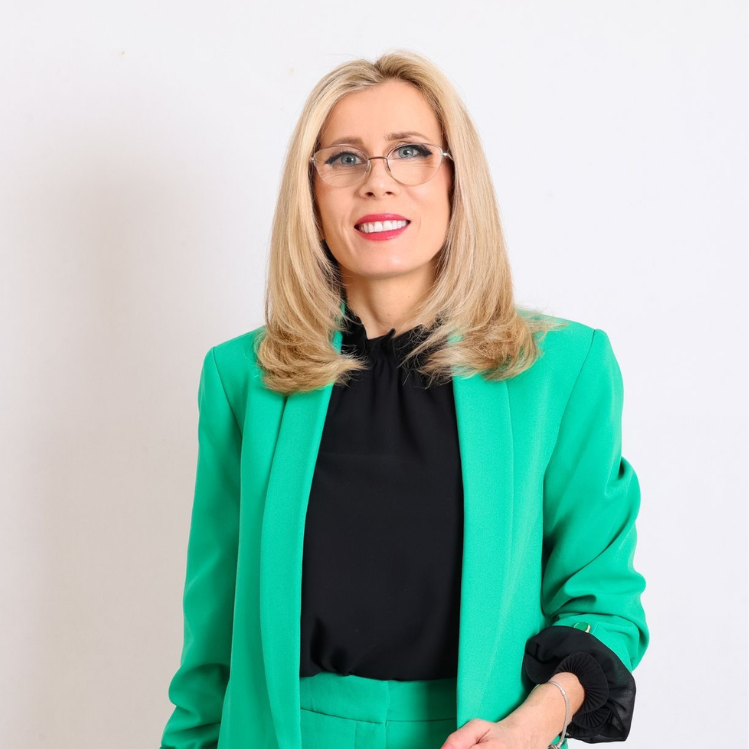
New Impact Coaching, founded by Valbona Sulaj, was born from a deeply personal journey of resilience, compassion, and purpose. Inspired by a lifelong passion for supporting others, Valbona transformed her natural ability to guide and uplift people into a powerful coaching platform dedicated to women—especially mothers—navigating life’s most demanding transitions. Shaped by her own experiences of motherhood, personal challenges, and professional work in care and support, she empowers women to reconnect with their identity, rebuild confidence, and create a life where their wellbeing, purpose, and dreams truly matter.
“Motherhood should never mean losing yourself.”
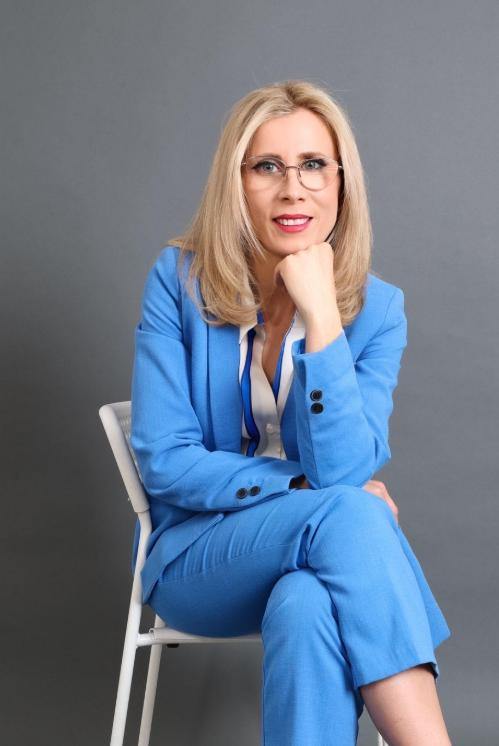
What inspired you to create New Impact Coaching, and how did your personal journey shape its foundation?
New Impact Coaching was created from a very personal place. Throughout my life I have always been someone people naturally turned to for support, encouragement and guidance. Helping others find clarity, rebuild confidence and believe in themselves again has always been something that felt deeply meaningful to me.
Over time I began to realise that these conversations were making a real difference in people’s lives. That realisation encouraged me to develop my skills further and eventually create New Impact Coaching as a space where I could support women more intentionally.
My own life experiences played a huge role in shaping the foundation of my work, especially motherhood. Becoming a mother opened my eyes to how easily women can put themselves last while trying to care for everyone else. I saw how many women slowly lose connection with their own identity, dreams and confidence along the way.
New Impact Coaching was created to support women through those moments of transition and to remind them that their life, their identity and their wellbeing still matter.
You mentioned that motherhood can sometimes lead women to lose touch with themselves. Can you share more about that experience and why it’s so common?
Motherhood brings incredible love and meaning into a woman’s life, but it also comes with immense responsibility and emotional demands. When children come into the picture, it is natural for a mother’s focus to shift almost entirely towards caring for them and making sure everyone else is okay.
What often happens gradually is that women begin to place their own needs, ambitions and identity further and further down the list. Their days become filled with responsibilities, routines and constant care for others. Over time, many women realise they feel disconnected from who they were before becoming mothers.
It is incredibly common, yet many women feel alone in that experience. What I believe strongly is that women should not have to wait until they feel completely lost or burnt out before seeking support. The years when women are navigating motherhood, careers and family life are often the years when support is needed the most.
Helping women reconnect with themselves during those important years can make a profound difference in their wellbeing and in the way they experience motherhood and life.
How did becoming a mother of three influence your perspective on identity, balance, and wellbeing?
Becoming a mother of three has been one of the most transformative experiences of my life. It has taught me a great deal about love, resilience and the depth of responsibility that comes with raising children.
One experience that deeply shaped my perspective was when my son was diagnosed with autism at the age of two and a half. That period of my life was very challenging emotionally and mentally. As a mother, you naturally want the best for your child, and navigating that journey required strength, patience and a great deal of personal growth.
That experience helped me understand how important it is for mothers to feel supported, emotionally strong and confident in themselves. When a woman is navigating complex challenges while raising children, her wellbeing becomes incredibly important.
Motherhood taught me that caring for yourself is not a luxury. It is something that allows you to show up with more strength, patience and presence for your family.
Before officially becoming a coach, you were already someone people turned to for support. When did you realise this was something you wanted to turn into a career?
For many years, supporting people was simply something I did naturally. Friends, family members and colleagues often came to me when they needed encouragement, clarity or someone who could listen without judgment.
Over time I began to notice how much those conversations helped people move forward in their lives. People would often say that our discussions helped them see things from a new perspective or gave them the confidence to take steps they had been afraid to take.
That is when I realised that this was more than just casual conversations. I understood that guiding and empowering people was something I could develop into meaningful work that could positively impact many more lives.
Your background includes working in the NHS as an interpreter and supporting children with Special Educational Needs. How have these experiences influenced your coaching approach?
These experiences have deeply influenced the way I connect with people today.
Working within the NHS as an interpreter meant supporting patients during moments when they were often vulnerable and needed to feel understood. It taught me the importance of empathy, patience and truly listening to someone’s story.
Supporting children with Special Educational Needs became even more meaningful to me because of my own personal experience as a mother. When my son was diagnosed with autism at two and a half, it opened my eyes to the emotional journey many families go through.
When I work with children with special needs, I often see my son in them. As both a professional and a mother, I feel a deep desire to support them, believe in their potential and help create environments where they are given the opportunity to succeed and feel valued.
That experience strengthened my compassion and understanding in ways that continue to shape how I work with people today.
“Reconnecting with yourself creates real strength.”
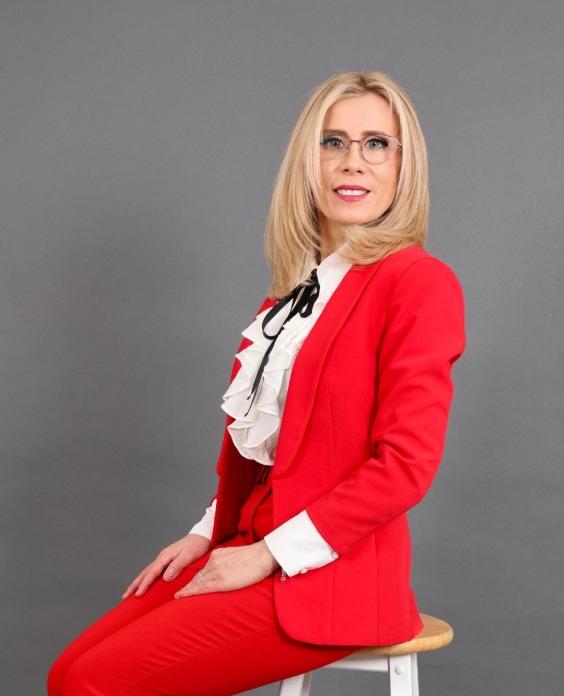
What are some of the most common challenges the women you work with face when they come to you?
Many of the women I work with feel overwhelmed by the many roles they are trying to fulfil. They are mothers, partners, professionals and caregivers, often all at the same time.
Over time, many begin to feel disconnected from their own goals, passions and identity. Confidence can slowly fade and self doubt can take its place.
A common pattern I see is that many women wait until they feel completely exhausted or lost before asking for help. That is why I am passionate about supporting women earlier in their journey, when they are navigating the intense years of building a family, career and life all at once.
Those years are often the most demanding, and having the right support during that time can make a powerful difference.
How do you help women rebuild their confidence and reconnect with who they truly are?
The first step is creating a safe space where women feel heard and understood without judgment. Many women have spent so long focusing on everyone else that they have not had the opportunity to pause and reflect on themselves.
Through coaching, I help women reconnect with their values, strengths and aspirations. We work on challenging limiting beliefs, strengthening their mindset and helping them develop a clearer vision of the life they want to create.
Confidence is rebuilt step by step as women begin to trust themselves again and recognise their own capabilities.
Many women struggle with guilt when prioritising themselves. How do you help your clients navigate that feeling?
Guilt is something many women carry when they start focusing on their own wellbeing. There is often an unspoken belief that a good mother should always put everyone else first.
One of the most important mindset shifts I help women make is understanding that caring for themselves does not take away from their family. In fact, it strengthens the way they show up in their relationships.
When a woman feels emotionally and mentally supported, she has more patience, energy and clarity. Taking care of yourself is not selfish. It is part of creating a healthy and balanced life.
What does a “fulfilled life” look like for the women you support, especially those balancing motherhood and personal growth?
A fulfilled life looks different for every woman, and that is something I always encourage my clients to define for themselves.
For some women it may mean rediscovering a passion or pursuing a personal goal. For others it may mean creating more balance, confidence and peace in their daily lives.
What matters most is that women feel connected to themselves and to the life they are living. When a woman feels aligned with her values and believes in her own potential, she experiences a sense of fulfilment that positively impacts every part of her life.
If there’s one message you want every woman, especially young mothers, to hear, what would it be?
You do not have to lose yourself in order to be a good mother.
Your identity, your wellbeing and your dreams still matter. Motherhood is an important part of your life, but it does not have to erase who you are.
When women reconnect with themselves and believe in their own strength, they create a healthier and more fulfilling life not only for themselves but for their families as well.