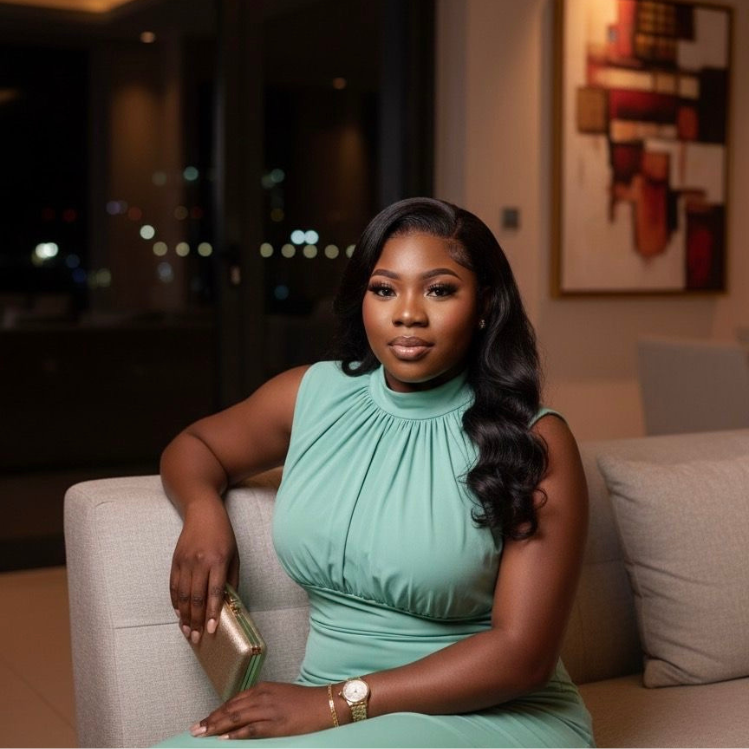


From Survival to Self-Connection: Marta Bagan’s Journey to True Resilience
For years, Marta Bagan appeared strong, capable, and in control on the outside—while internally feeling disconnected, overwhelmed, and caught in patterns of self-abandonment. It wasn’t inspiration that changed her path, but a breaking point that made it impossible to ignore herself any longer. Through personal struggle, including addiction, an abusive relationship, and a life built on survival mode, she was forced to confront what true strength really means. Today, she helps women move from disconnection to embodiment—teaching resilience not as endurance, but as the ability to stay rooted in yourself, even in life’s most challenging moments.
“Resilience is staying connected to yourself under pressure.”

What inspired you to become a resilience and transformation guide for women?
It didn’t come from inspiration; it came from hitting a point where I could no longer ignore myself.
From the outside, I was strong. I could lead, perform, handle pressure, and keep everything together. But underneath that, I was disconnected from my body, from my truth, from what I actually needed.
I was using coping mechanisms, including alcohol addiction, to numb what I didn’t want to feel. I was in an abusive relationship. I kept choosing things that didn’t honour me, and still showed up as if everything was fine.
At some point, that stopped working. I had to face myself, not just the strong parts, but the patterns, the fear, the self abandonment.
That’s where this work comes from.
You spent many years in high-pressure environments. What did that experience teach you about strength and resilience?
It taught me how to function under pressure, but not how to take care of myself.
I knew how to push through exhaustion, ignore my body, and keep going no matter what. That’s what most people call strength.
But that’s not resilience, that’s survival.
Real resilience is staying connected to yourself when things are hard, not abandoning yourself just to get the job done.
At what point did you realise something in your life needed to change?
I had been staying in situations that didn’t feel right for a long time, ignoring red flags and overriding my own signals.
Then my body stopped me. A knee injury forced me to slow down, and for the first time, I couldn’t push through anymore. That’s when I realised I had built my life on ignoring myself.
And that had to change.
How did your personal struggles shape the work you do today?
They gave me no choice but to go deeper. You can’t think your way out of an abusive relationship. You can’t mind-trick your way out of addiction. You can’t affirm your way of disconnection.
You have to come back to your body.
So the work I do today is about helping women reconnect with themselves, learn how to feel again without being overwhelmed, and rebuild trust in their own signals.
Why do you believe many strong and successful women still feel disconnected from themselves?
Because they were rewarded for disconnection.
They are the ones who hold everything together, perform, deliver, and stay reliable. Over time, they learn to override their needs, their intuition, and their body signals.
They become very good at functioning, but not at feeling.
And that created a quiet disconnection that no amount of success fixes.
“Healing begins when you start listening to yourself again.”
How do breathwork, embodiment, and nervous system regulation help women heal and grow?
They bring you back to reality.
Breathwork helps you regulate your state when your system is overwhelmed. Embodiment helps you feel what is actually going on instead of analysing everything. The nervous system works to create the safety needed to change patterns.
For example, a woman may know she needs to set a boundary, but her body goes into a state of fear and she stays quiet.
Once her system is regulated, she can actually act on what she knows.
That’s where the change happens.
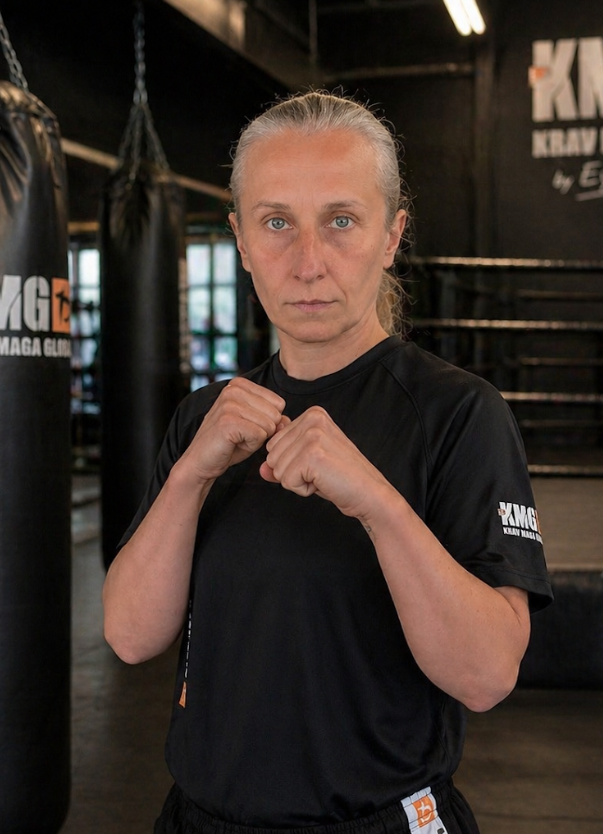
As a Wim Hof Method and Krav Maga Instructor, how do you combine physical and emotional strength in your coaching?
By putting women into real experiences.
In cold exposure, you feel discomfort and learn to stay with it without panicking. In self-defence, you learn how to respond under pressure and trust your body.
For example, in Krav Maga, hesitation costs you. You have to act.
That translates directly into life, speaking up, setting boundaries, and saying no.
It’s not theory, it’s practice.
What are some common patterns you see in women who come to work with you?
Over-giving, overthinking, people pleasing, difficulty saying no, staying too long in relationships or environments that don’t feel right.
They know something is off, but they don’t trust themselves enough to act on it.
So they stay, explain, justify, and override their own signals.
What does “real strength” mean to you today?
Being able to feel everything and not running away from yourself.
Not numbing, not punching through, not pretending.
But staying present, even when it’s uncomfortable, and making decisions from that place.
What message would you give to women who feel lost, overwhelmed, or disconnected from themselves?
Stop trying to fix everything at once. Slow down and come back to your body.
Start noticing what you feel, what you need, what you’ve been ignoring.
Because the problem is not that you don’t know. Is that you’ve learned not to listen?