
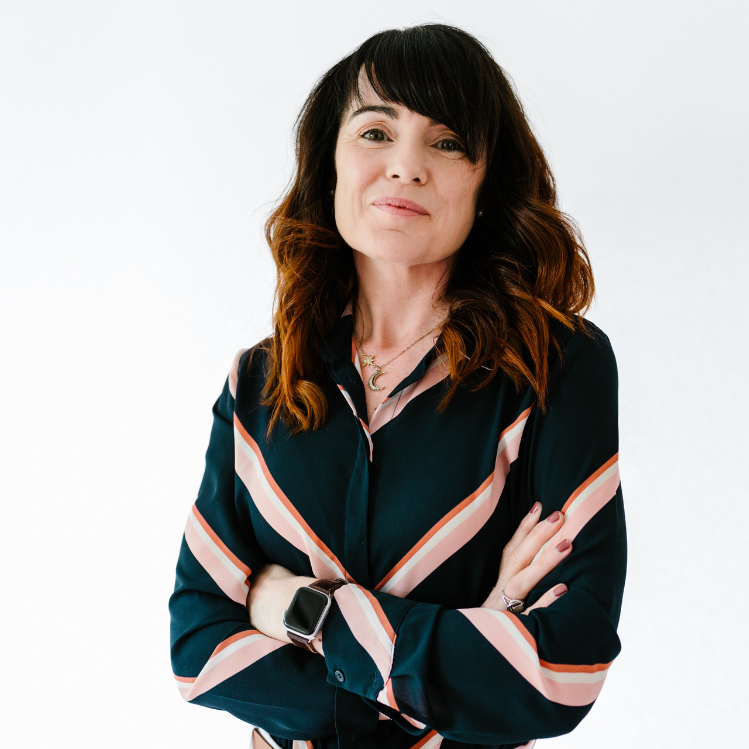
Permission Granted: Prof. Maura McAdam on Women and Entrepreneurship
What if everything we’ve been told about women in entrepreneurship is wrong? In this powerful and thought-provoking conversation, Prof. Maura McAdam shares her journey from early exposure to business life to becoming a leading voice in entrepreneurship research and gender equality. Her work challenges long-standing narratives and reshapes how we understand women in business. From uncovering structural gaps in entrepreneurial systems to working closely with founders, Prof. McAdam reveals a different truth—one where women are not lacking, but leading in their own strategic, values-driven ways. At the heart of her message, inspired by her new book Permission Granted: A Call-to-Action Playbook for Women Entrepreneurs is a bold call to action: women don’t need to wait for approval to start, lead, or succeed—they already have it.
This interview explores the realities, challenges, and the possibilities women entrepreneurs are creating as they redefine entrepreneurship today, offering both insight and empowerment for anyone ready to rethink what entrepreneurship really looks like.
“Women aren’t lacking ability—they’re navigating systems not built for them.”
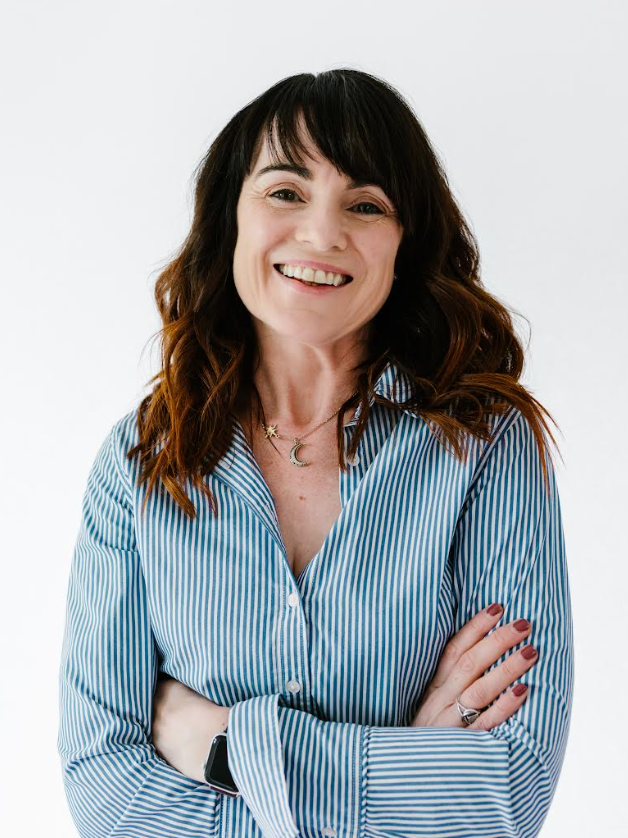
Can you tell us a bit about your journey into entrepreneurship research?
My interest in entrepreneurship started long before I knew there was such a thing as “entrepreneurship research.” Growing up in a family business meant I had a front-row seat to what running a business really looks like, the responsibility, the pressure, the freedom, and the impact it has on the people around it. I learned early on that entrepreneurship isn’t just an economic idea; it’s a very human experience. Those early moments stayed with me, shaping how I think, what I’m curious about, and the values I carry into my work today.
As I moved through my academic studies, first in business management and then in technological change and innovation, I found myself increasingly drawn to how people navigate uncertainty or limited resources. When I later started my career in the manufacturing and production industry, that interest only deepened. I loved the hustle and bustle of it, but I also began to feel detached from the end user and the wider community. That disconnect ultimately pushed me to take the leap and pursue a PhD in entrepreneurship.
Very quickly I began noticing clear visibility gaps, particularly regarding women’s experiences. Their entrepreneurial activity was happening, vibrant, strategic, values-driven but it was often misinterpreted or dismissed. Seeing that so clearly shifted the direction of my research, and it has stayed at the centre of my work for more than twenty years.
Today, that research underpins not only my academic writing but also the coaching and consultancy work I do with women entrepreneurs and entrepreneurial ventures. Founders come to me because my research helps me pinpoint the structural realities that they’re up against and support them in navigating those challenges with clarity, purpose and confidence. That connection between scholarship and practice is a huge part of who I am as an educator, advisor, and speaker.
What inspired you to focus on women in entrepreneurship?
Armed with my PhD and masses of curiosity, I threw myself into the world of entrepreneurship and almost immediately found myself asking, “Where are all the women?” Once I noticed how rarely women were visible in the spaces shaping entrepreneurial thinking, it stuck with me. And because a belief in equality is so deeply rooted in who I am, something I absolutely got from my mother, that question quickly became a driving force in my work and still is today.
My focus on women in entrepreneurship really began when I spotted a disconnect between how women’s behaviour was being talked about and what I was actually seeing in the data, in conversations, and in real experiences. Early in my research career, I kept coming across claims that women lacked confidence or ambition, or that they weren’t willing to take risks. But when I looked closely, that simply wasn’t true. Women were making smart, strategic, context-aware decisions within systems that limited their options. The “deficit” narratives just didn’t match the evidence.
Realising this was a turning point for me. Instead of buying into the idea that women needed to be “fixed,” I became much more interested in the structures shaping how entrepreneurial behaviour was interpreted in the first place. What I was seeing wasn’t a lack of confidence or ambition, it was women making thoughtful, strategic decisions in response to the systems around them. The problem wasn’t the women; it was the frameworks used to judge their actions, frameworks that had been built without them in mind.
I work directly with women entrepreneurs who are navigating identity, confidence, decision-making, and legitimacy in systems that weren’t designed with them in mind. Founders often come to me because they want support grounded in real research rather than stereotypes and that’s exactly what two decades of gender-focused work, including engagements with more than 300 women entrepreneurs at every stage of maturity totalling over 30K hours, allows me to offer.
Holding both perspectives, scholar and practitioner, gives me a unique way of advocating for structural change while also equipping individual women and ventures with the tools they need to thrive. It’s work that feels necessary, energising, and genuinely meaningful to me.
Why do you think entrepreneurship is different for women?
Entrepreneurship looks different for women because they’re operating in systems that were never really designed with them in mind. That’s the key point. It’s not that women are less capable, less ambitious, or less entrepreneurial. The difference lies in the environment, everything from funding pathways to the stories we tell about what an entrepreneur should look like and that shapes how women’s decisions are interpreted and supported.
We know from research that women still face limited access to finance, smaller and less influential networks, and higher expectations around caregiving. Those structural pressures affect everything: what opportunities feel viable, which paths get taken, and how ventures grow. Women are often making thoughtful, values-driven decisions in response to these realities, but those decisions can be misunderstood through a gendered lens, labelled as caution or lack of ambition when they’re anything but.
There’s also the ongoing question of legitimacy. Women routinely have to prove themselves to investors, partners, suppliers, customers even when they’re performing at exceptionally high levels. That constant need to demonstrate credibility creates what I call a “legitimacy tax”: the extra cognitive and emotional load that shapes how women approach entrepreneurship.
Identity plays a role too. The cultural idea of “the entrepreneur” is still heavily masculinised. When the dominant narrative doesn’t reflect your lived experience, it can be harder to feel a sense of belonging and that matters more than people realise.
And when women realise that these challenges are structural, not personal, it’s often transformative. It shifts the whole frame: entrepreneurship becomes something they don’t have to fit themselves into, but something they have every right to shape. That shift is powerful and it’s often the thing that unlocks real change.
What is the main message of your book Permission Granted?
The main message of Permission Granted is that women already have permission, the authority, legitimacy, and right to create, lead, and define entrepreneurship on their own terms. Too often, women may think that this permission is something external, something that needs to be granted to them by investors, institutions or even established narratives of success. My book challenges that narrative head on.
Through both my research and working with women entrepreneurs, I have seen how deeply ingrained these permission structures are. Women wait to feel “ready,” to gain confidence, to be invited, to reach a certain threshold of legitimacy before taking the entrepreneurial plunge. Yet the evidence is clear: confidence follows action, not the other way around. Legitimacy is not given but rather it is claimed.
Permission Granted invites women to stop waiting. It is a call for women to recognise the expertise, experience, and authority they already possess. Whether they come from corporate careers, caregiving, community leadership, or charity work, women bring with them a wealth of experiences and capability that is too often undervalued or misinterpreted.
A key message throughout the book is that women’s ways of doing business such as relational, values-led, strategic, intuitive are not deviations from entrepreneurship, they are entrepreneurship! When women begin to trust their approach, rather than forcing themselves into ways of working not designed for them, they begin to lead more effectively and in a way that stays true to who they are.
Ultimately, Permission Granted is both a reframe and a practical invitation in that authority does not come from the ecosystem it comes from you. When women act from that belief, entrepreneurship becomes far more expansive, empowering and exciting!
What does “Permission Granted” mean for women entrepreneurs?
“Permission Granted” is a call for a reset for women entrepreneurs. It means understanding that women do not need external validation, approval, or an invitation to step into leadership, to take risks, or to pursue their ambitions. They already have the authority to act and always have.
For many women, that feeling of needing permission is deeply internalised. It can be the result of cultural expectations, institutional bias, and persistent narratives suggesting that confidence or legitimacy has to come before action. Permission Granted challenges that belief. It encourages women to trust their own judgment, embrace their values, and lead in a way that reflects their reality rather than conforming to someone else’s model of entrepreneurship.
Crucially, Permission Granted is not simply about mindset. It’s about reframing how women interpret their decisions. I always say that a strategic pause is not hesitation, values-led leadership is not a lack of ambition and a phased approach to growth is not risk aversion. When women recognise this, they begin making decisions with greater clarity and confidence.
This concept sits at the heart of my coaching work, where I support women entrepreneurs in naming their authority and developing leadership practices that align with their values, circumstances, and ambitions. Many of the founders I work with come to me not because they lack capability, but because they have internalised a narrative that undervalues their strengths. Permission Granted becomes a framework for challenging and re-evaluating those narratives.
For women entrepreneurs, it means this: you belong here. Your approach is valid. Your voice is needed. You have everything required to start now.
Can you share one key action from your book that women can apply right away?
One of the most practical and transformative actions from Permission Granted is this: Just Grab the mic which is on the key call to action from the book. And what I mean by that is, claim your entrepreneurial identity, clearly, confidently, and without diminishing your expertise.
So, I will give you an example -women often hesitate to name themselves as entrepreneurs. They soften their language, describe their work as “small,” “early,” or “not quite a real business,” or wait for external recognition (i.e. winning a competition) before embracing the title. This hesitation isn’t because of a lack of ability but rather it is a response to an ecosystem that has been built without women in mind.
For me ‘Grabbing the Mic’ is an intentional interruption of that pattern. It means introducing yourself with authority: “I am an entrepreneur.” “I run a business.” “I lead a venture.” The moment you articulate this identity aloud; it becomes real not only to others but also to yourself. It sets the foundation for how you show up, speak about your work, and make decisions.
In my one-to-ones with women, I see time and again how important this shift can be. When women claim their identity publicly whether through a LinkedIn headline, a pitch, or even a conversation, opportunities expand. Others begin to see them as the leaders they already are. Confidence grows because identity has been claimed, not withheld. By claiming your identity, you do not take space from anyone; you create space for yourself and for those women who see themselves reflected in your example. In this sense, Permission Granted is not just personal empowerment; it is a collective shift.
Grabbing the Mic is simple, but it is powerful. It is the first, essential act of stepping into the authority you already possess. And it opens the door to everything that follows.
“You don’t need permission. You already have it—grab the mic.”
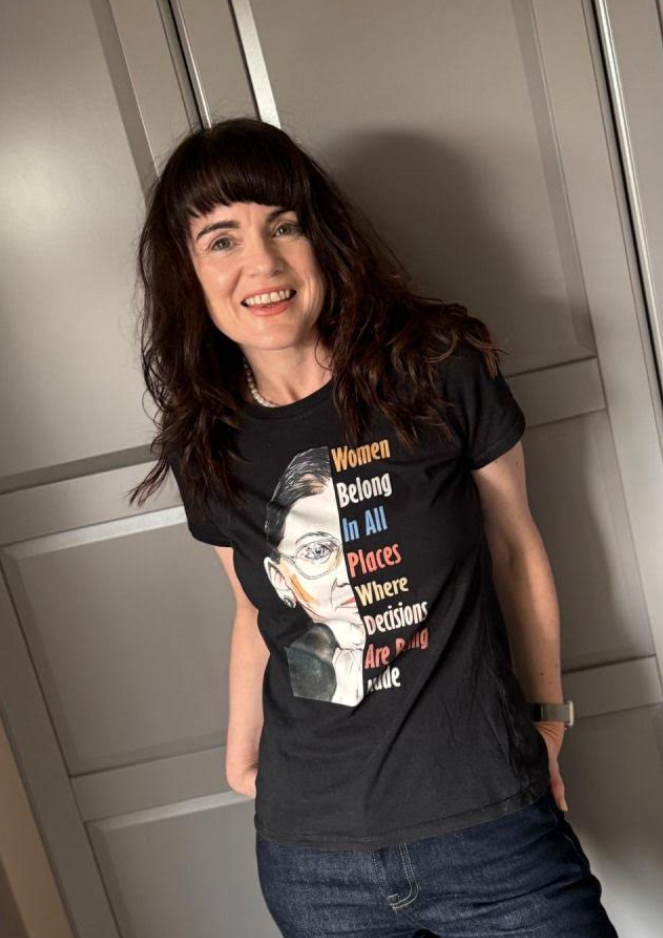
What are the biggest challenges women face when starting a business?
Women face challenges in entrepreneurship that are deeply structural rather than personal. In my research and in my work with women founders, three recurring themes emerge: access, legitimacy, and credibility.
Access includes access to finance, networks, mentorship, and influential decision-makers. Women receive significantly less funding than men, even when presenting identical pitches. They are also more likely to operate in smaller or less influential networks. These constraints shape what feels possible and influence early-stage strategic decisions.
Legitimacy relates to the constant need many women feel to justify their entrepreneurial identity. Women are more frequently questioned, scrutinised, or expected to provide ‘proof’ of their competence. As I’ve already mentioned, this is a “legitimacy tax”, an invisible burden that adds emotional labour and cognitive load to the entrepreneurial journey.
Credibility challenges often emerge when women make values-led decisions or pursue forms of entrepreneurship that do not fit traditional high-growth models. These decisions are frequently misinterpreted as risk aversion, despite being rational and strategically aligned with the constraints women face.
Beyond these, women must navigate logistical complexities, societal expectations, and often a lack of visible role models. The entrepreneurial archetype remains masculine, which means women must carve out legitimacy in systems that were not designed with them in mind.
My coaching and consultancy work with women entrepreneurs and ventures focuses on helping founders understand these structural dynamics so they stop internalising them as personal shortcomings. When women understand the systemic nature of the barriers, it reduces self-doubt and increases strategic clarity. They realise they are not “the problem”, the ecosystem is.
Recognising this is liberating. It allows women to make decisions from a place of power, not from a place of apology. And it equips them to navigate entrepreneurship with confidence, resilience, and authority.
How can women build confidence in leadership and decision making?
Confidence grows not from eliminating uncertainty, but from recognising your own decision-making capacity and acting from it. Entrepreneurship will always involve uncertainty, so the key is not waiting to feel confident before stepping forward but building confidence through aligned action (i.e. value driven small steps).
One of the most effective ways women build confidence is when they get clear on their core values. Those values act like a compass; they make boundaries easier to set, decisions easier to make, and priorities easier to see. Boundaries become leadership tools, not barriers.
Another powerful tool is evidence-spotting. In my work with women entrepreneurs, I ask them to trace the decisions they’ve already made, often decisions they’ve forgotten or dismissed. When we look closely, the evidence reveals strong judgment, resilience, adaptability, and strategic insight. Confidence grows when women see the competence that already exists within their past decisions and actions.
A third component is stepping away from benchmarks that were never designed for women’s realities. Traditional entrepreneurial models often prioritise speed, scale, and constant growth metrics that ignore caregiving responsibilities, values-led leadership, or sustainability. When women stop measuring themselves against metrics that do not reflect their context, confidence increases.
Finally, confidence expands in community. Mentorship, peer networks and spaces where women feel seen and supported are essential. In my work with founders and ventures, I see how quickly confidence grows when women are surrounded by those support the and encourage them to do big and bigger things.
Confidence is not the absence of doubt; we all have doubt at different times. Confidence is the willingness to act despite doubt, anchored by values, evidence, and support. And it is something women can cultivate intentionally through practice, reflection, and the right support environment.
How has your research shaped the advice you give to founders today?
My research has fundamentally shaped the advice I give to founders because it reveals how entrepreneurial decisions are influenced by identity, context, values, and structural realities. Entrepreneurship is not a neutral playing field. People make decisions within an ecosystem shaped by gender norms, access to resources, expectations, and the narratives they’ve internalised about what entrepreneurship and the entrepreneurs “should” look like.
This understanding shapes every aspect of my interactions with women entrepreneurs and entrepreneurial ventures. Rather than offering generic guidance, I help founders identify their core values early, because values act as powerful decision-making anchors. Clarity around purpose, ambition, boundaries, and desired impact helps founders move from reactive to intentional leadership.
My research also helps entrepreneurs distinguish between personal limitations and structural barriers. Many women internalise systemic challenges, funding bias, legitimacy negotiations, a lack of visible role models as personal failings. Recognising these as structural issues allows women to release unnecessary critical self-talk and engage with entrepreneurship from a place of authority.
Another crucial insight from my research is the power of narrative. How founders understand and articulate their story shapes their confidence, their strategy, and how others perceive them. Helping women re-author and reframe their narrative from “not enough” or “not ready” to “capable, strategic, and legitimate” is transformative.
Finally, my academic work reinforces that women’s entrepreneurial approaches are not deviations from the norm; they are evidence-based, effective, and often more sustainable. This is a message I emphasise strongly in my coaching, speaking, and advisory roles with ventures.
In essence, my research allows me to support founders with advice that is evidence-based, emotionally intelligent, and deeply attuned to their realities and so empowering them to lead with clarity and confidence.
What is one piece of advice you would give to women who want to start a business?
My advice is simple but makes a real difference: just start and start now in a way that reflects your reality. Women often wait for the perfect moment, the ideal plan, or complete confidence before taking the first step, i.e. getting all your ducks in a row. But entrepreneurship doesn’t require certainty; it requires movement. Readiness is not a prerequisite. It is something that develops through action.
Start small. A conversation, a test offer, a small pilot, or a simple commitment can create momentum. Action builds confidence, and confidence fuels further action. But equally important is ensuring that the way you start aligns with your values, ambitions, and current life circumstances. Entrepreneurship should expand your possibilities and not force you into a model that was never designed for you.
In work with women entrepreneurs, I see how powerful it is when founders design their entrepreneurial journey based on who they are, not who they think they must be. When they stop internalising external expectations about speed, scale, growth, or leadership, they begin building businesses that feel meaningful, sustainable, and energising.
It’s also essential to recognise that uncertainty does not mean you’re not ready. Doubt often appears precisely when you are on the edge of something important. Courage is not the absence of doubt; it is the willingness to move with it.
And finally, don’t do it alone. Surround yourself with people and spaces that support you, challenge you, and see you. Mentorship, and community make a profound difference not because they remove the challenges, but because they strengthen your ability to navigate them.
So, my advice is this: f…..k the ducks, they will never behave, begin, begin now, begin in a way that reflects your values, your reality, and your ambitions. You already have permission. Your entrepreneurial journey starts the moment you decide it does.