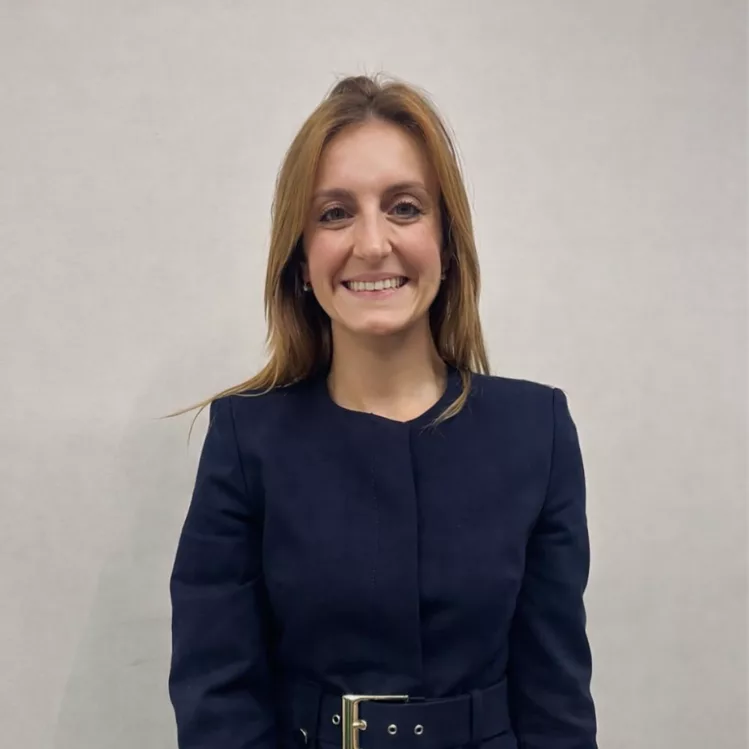


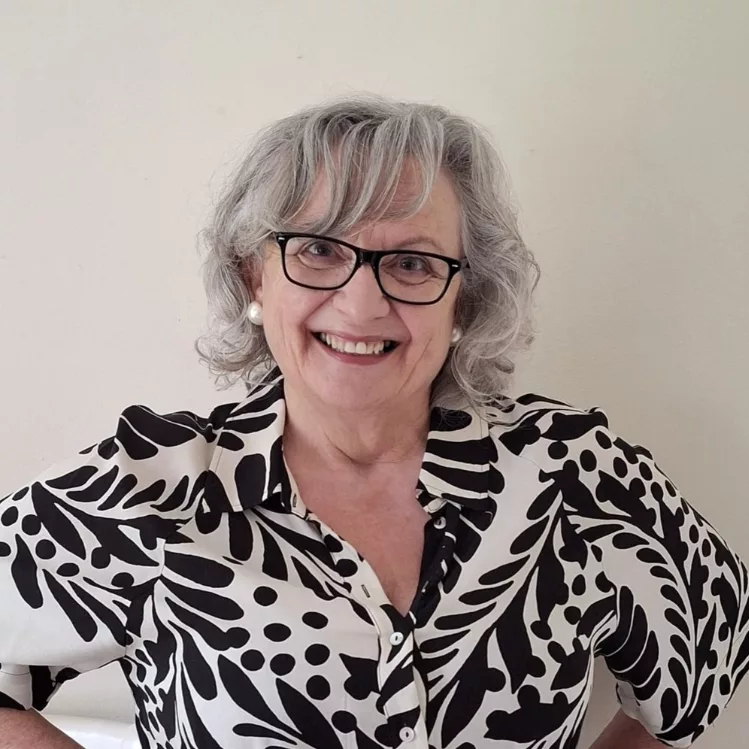
Therese Neville: From Loss to Legacy
After experiencing the devastating loss of her husband in 2014, Therese Neville refused to let grief define her future. Driven by love for her two children and a desire to build lasting security for them, she turned her lifelong passion for property into a thriving business. Today, as the Owner and Director of Adare Homes Ltd and S&T Neville Ltd, Therese has built not just a successful property investment portfolio, but also a legacy — one that empowers her family and inspires others to pursue their dreams through resilience, purpose, and vision.
When you lost your husband in 2014, what helped you find the strength to move forward?
My husband had been my anchor for almost 40 years. He supported me in everything I did and was always my greatest cheerleader. He was not just my husband; he was part of my very being. The only people who can understand what I am saying are those who have been through a similar experience. One moment, you are part of an invincible team that can take on anything the world has to throw at you, and the next, you are alone, vulnerable, and the one person who can put everything right is gone forever.
I had no choice; I had to move forward. For about the first ten months or so, I focused on work. I worked twelve-hour days, drove home, ate some unappetizing meals, drank some wine, and went to bed. Got up next day and did it all over again. I hated weekends because I had too much time on my hands, so I normally brought work home. Then one day, after an incredibly stressful meeting, I went into my assistant’s office and had to sit down because my heart was pounding so hard, I felt it was going to burst out of my chest. That was my wake-up call; I knew I had to change my life or else I was going to have either a heart attack or a stroke. That night, I went home and checked where I was financially and found yes, if I was careful, I could live without my salary.
By then, I had my first rental up and running. There was nothing special about this property. It was just a little two-bed terraced, not very pretty, but in an area that is popular with young professionals. I still have this little house, and it continues to be a cash cow, and of course, any of my money originally invested has been paid back a long time ago.
How have your children shaped the way you live and work?
Before I had children, I worked in the corporate world and was very career-focused. However, once my daughter was born, I knew I didn’t want to leave her to go back to work. I know how lucky I was that I could afford to make the decision to be a full-time mum. Many women have no choice but to juggle being a mum and work at the same time, but I didn’t have to do that. Then I had my son, so until he was at school, I concentrated on being a full-time mum.
Very early on, my son was diagnosed with ADHD and Dyslexia, and because I wanted to find out as much as possible to help him, I went back to study, qualified as a teacher and then specialised in specific learning difficulties (Dyslexia, ADHD, Autism, etc.). By the time I ended my career in education, I was working in a college of further education where I was responsible for the welfare of all students with learning difficulties and medical issues. The team management, budgeting, and coordination skills I developed during this period have been essential for running my property business.
The initial reason for starting my property business was to create a portfolio of investment properties that would give my children financial security, while they have the choice to follow their creative paths rather than just having a safe, boring job that pays the bills. Once my son showed an interest in the business, I decided it was the right time to invest in a great deal of training so that we could really get the business to grow, rather than just see it as a passive investment. So, in a way, from the day they were born, my children shaped the way I live and work.
Why did you choose property as your new path?
I always had an interest in property, having been raised in a house that was over 200 years old, I can remember from a young age, enjoying nothing better than helping my father renovate and decorate our home. We converted the attic and added an extension, and we were constantly working on some area of the house together. By about the age of twelve, I was very proud of my skills at wallpapering and painting,
I also gained decades of experience in finding and buying family homes, as my husband’s job meant we moved quite often. I very quickly gained a strong sense of what the good and not-so-good areas were when looking for a new home in a strange town. And as I always had an interest in old houses that needed repair to turn them back into beautiful family homes, property investment seemed the obvious choice.
Looking back at your first property purchase, what’s one big lesson you learned?
Oh my goodness, I learnt so many lessons from my first purchase! I think I probably broke every rule in the book when it came to renting out that house. My first tenants were two lovely young Polish women. One of them had two part-time jobs to try and make enough money to live on, and the other was starting her own cleaning company, so she had no guaranteed income. But I was so naive that my thoughts were ‘everyone needs a helping hand at some time, and they seemed nice’. I didn’t do credit checks or get guarantors or any of the other things I should have done. Would I allow one of my mentees to do this? Absolutely not! I was very lucky; they lived in the house for just under three years and kept the place in perfect condition, never missing a rental payment. But it could have gone so badly wrong.
What do you look for when choosing people to work with?
I find total honesty is paramount for everyone involved. Whenever possible, I like to meet people face to face before agreeing to work with them. I need to be confident that I can deliver what they are expecting, and if I feel I can’t, I will tell them. After ten years of developing the business, I am now in the position that if something feels wrong about a possible client, I don’t work with them. It must be a symbiotic relationship where all parties win. Yes, of course, there is always compromise, and everyone knows running your own business can be extremely stressful. At times, in the middle of a project, it can appear as if you are just haemorrhaging money, and that can be scary. This is why it is crucial to do your due diligence before the purchase. Knowing your costs, making sure you have an extra ‘just in case’ fund, and that there is enough of a profit margin built in at the end, can prevent sleepless nights. For someone new to the business, it can be very stressful, and this is where we come in. We are always on the other end of the phone to reassure and go through the budget we decided on together before the purchase
At other times, it can be difficult to get clients to stick to the budget. They can get carried away and want to refurbish a house as if it were going to be their personal home. If this happens, we have a discussion about how these extra costs will affect their final profit. Of course, at the end of the day, the final decision is made by the client, after all, it is their project, but it is up to us to ensure all decisions they make are informed decisions.
How do you and your son make working together run smoothly?
We are both very passionate about what we do, and there are times when we disagree, and then sparks fly. Thankfully, this is rare. When it occurs, we take some time alone to cool off, then get back together to brainstorm solutions. We have different strengths. Stephen prefers to source the properties, do the viewings and liaise with the different trades, whereas I enjoy networking, promoting the company and working directly with clients. Understanding each other and how we each prefer to work is a great advantage and can save time. In a way, it is no different from any other business partnership; having similar goals and enjoying working together is what is important.
How do you ensure that each client receives what they truly desire?
The initial meetings focus on understanding the client’s experience and project goals. For instance, some people are interested in building for the future, whether it is for their retirement or their children’s inheritance; others are more interested in building a business that will give them enough income to get out of their day job.
There is a great deal of false information out there. Many people hear they should look for ‘below market value’ deals, where they can refurbish a property and the value will increase so much that they get all their money back out. Does it happen in real life? Yes, the odd time, I’ve done it in the past, but I would never encourage a client to depend on this happening. It is so important for us and the client that we are both clear from the beginning as to what strategy suits them best, and this often takes a few meetings. We never pressure a client into signing up for anything. They must be 100% confident in us and that it is the right deal for them.
What do you enjoy most about mentoring new investors?
I suppose it connects back with my teaching days. I enjoy introducing people to new subjects that they know little or nothing about, and worry as if they are good enough to succeed. For instance, I recently met with a young couple where he is spending his time growing his own business, and she wants to set up a property business as it would give her the freedom to work from home while looking after her eight month’s eight-month-old baby. Her husband is supporting her all the way with this, but her friends are putting pressure on her by saying it isn’t real work, and she should be going back to her old job, etc. Her confidence is so low at present that she is listening to them. This is the sort of woman I want to help to develop not only their business but also their self-esteem.
I can see the pitfalls for someone who tries to invest in property on their own, the seemingly little things that can be a big financial headache later, the fact that it can be quite lonely, particularly as friends and family will not always understand and will often be extremely negative about what you are doing. This is where I come in. I’m here to listen and guide my mentees to the right solution for them. I am here to help them develop their business plan, set targets and achievable goals and of course help them stay accountable.
How do you keep going when things get tough?
You have to believe in yourself and that you can do it. My husband used to say, ‘You can only win the Grand National one fence at a time.’ Although it is a cliché, taking things a step at a time is the best thing to do when going through a tough patch, because otherwise, everything can be overwhelming. I try not to compare myself to others, but I will admit this can be difficult sometimes, because I am competitive by nature. I also find it helps to look back on what I have done previously and tell myself, “I can do this!”
What’s next for your business and your plans?
Now is one of the best times to buy property in the UK, as a lot of older landlords are selling up because of the new Renters’ Rights Bill that the Government is due to bring into law shortly. This means a lot of property is up for sale, and there are some good deals to be made. There is a great deal of bad press out there at present with regards to the changes, but if it were all doom and gloom, large corporations, such as Lloyds Bank and Blackstone, would not be buying into the residential market in the UK. In order to survive, we all need food and shelter and therefore people will always need homes to live in, and, as there is a huge shortage of housing in the UK, rental accommodation is going to be around for a long time. The important thing is to be flexible in the strategy used and keep up to date with everything that is happening.
Working with mentees is an area I want to develop further. There are many great (but expensive) training organisations out there. I know because I have invested in training with them. But sometimes what someone needs is one-to-one tailored mentoring, rather than being overwhelmed in the early stages with strategies they will never use. This is where working with someone like me comes into play. I want to speak directly with more women, to help them realise that while they are working hard at developing their trading business, property can be working away quietly in the background, not only giving them a fairly passive income, but a potential lump sum in twenty or so years.
I would love to hear from anybody who would like to learn more about what we do. Please contact me at [email protected] ,and we can arrange a time to have a chat.