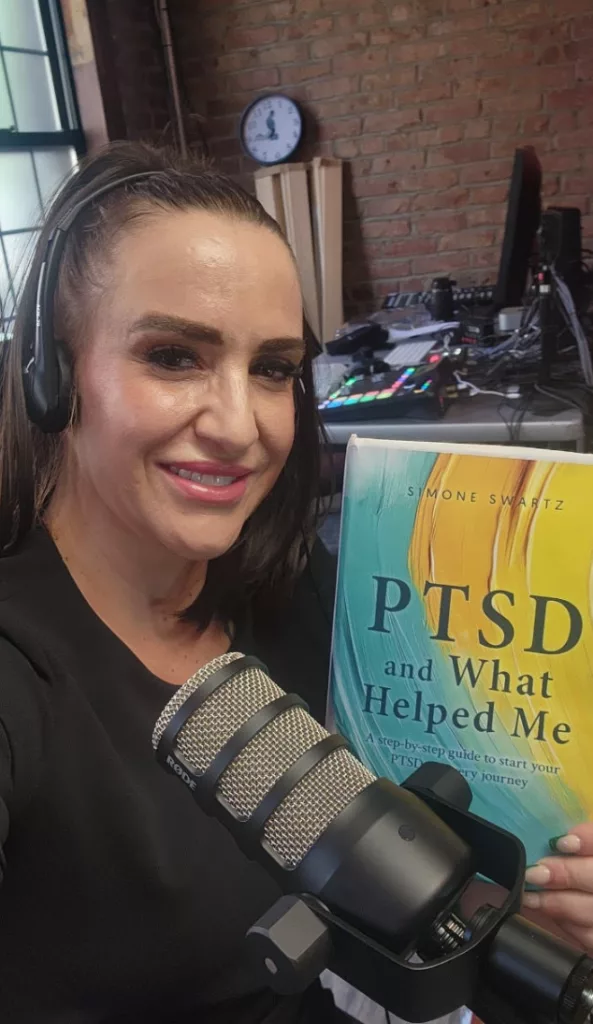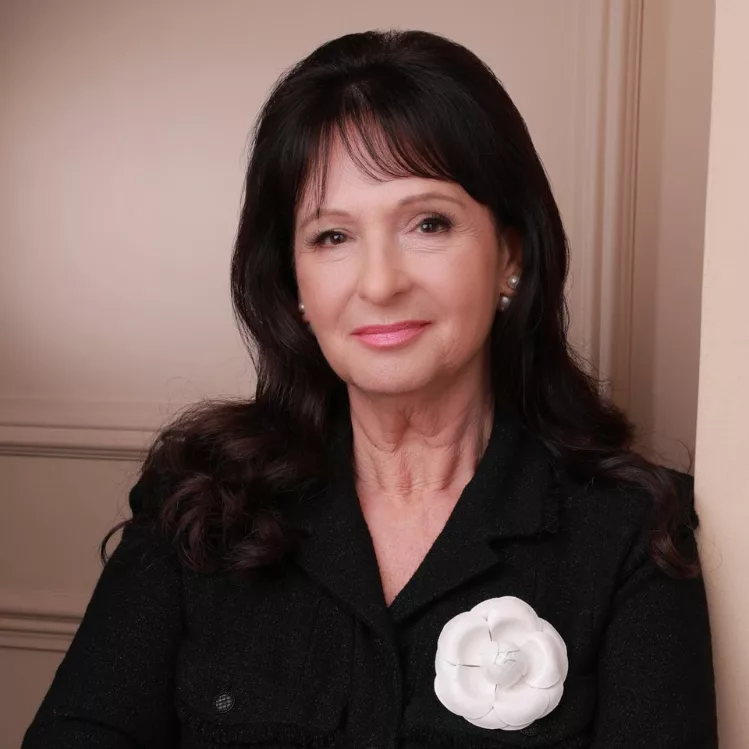


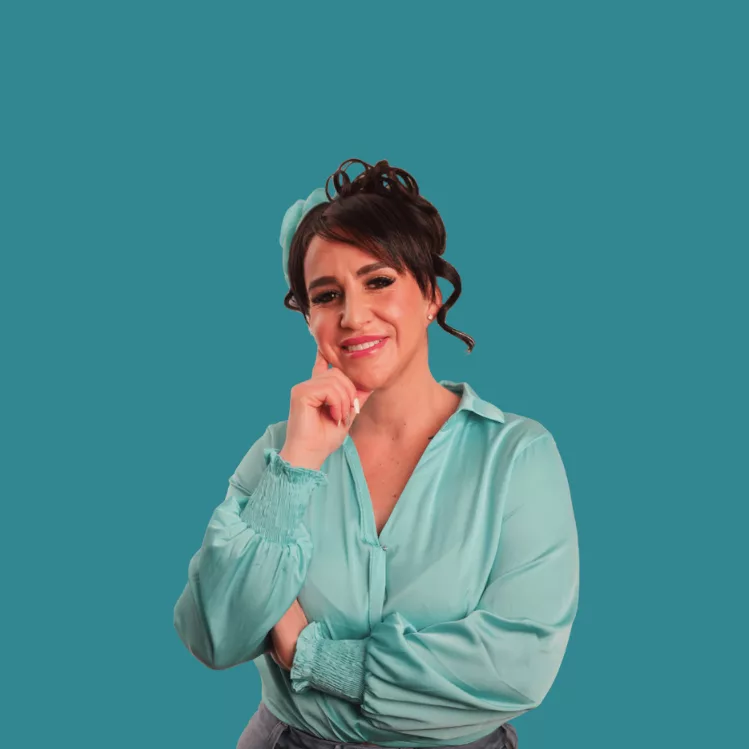
Simone Swartz: Healing Paws and My Journey from Trauma to Triumph
When I first received my service dog, I never imagined how much it would change my life. As a survivor of sexual assault in the military, I struggled for years with military sexual trauma and PTSD. I thought I was alone, battling invisible wounds that no one could understand. But amid my darkest days, a four-legged companion showed me the power of healing.
Through this journey, I discovered not only the incredible strength of a service dog, but also the healing that comes from connecting with others who share similar experiences. This is my story—of survival, resilience, and the transformative bond between a survivor and a service dog.
What inspired you to start your nonprofit for survivors?
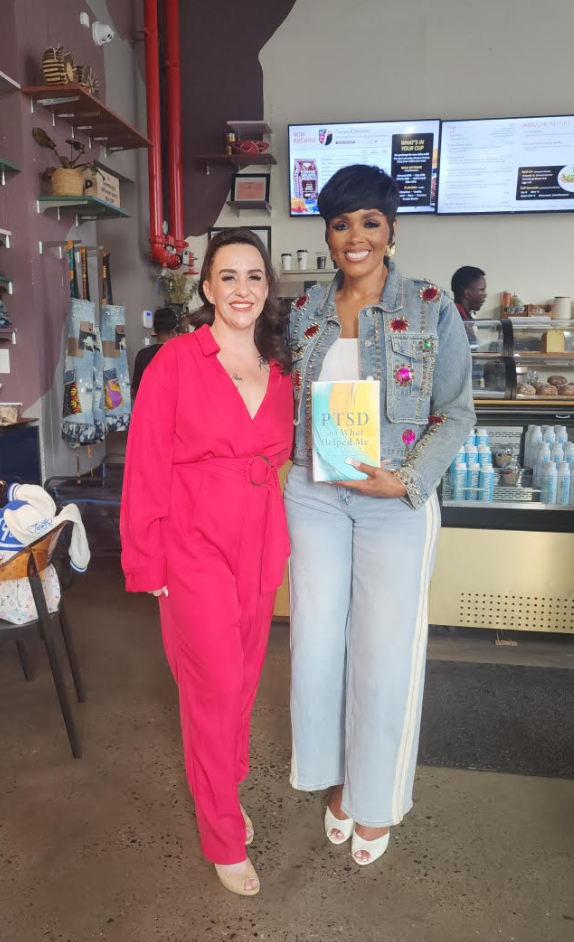
The inspiration came after I got my service dog. Once I shared my story, so many other survivors of sexual assault reached out—but the nonprofit I got my dog from specialized in combat-related PTSD and couldn’t help them all. That broke my heart.
I realized that pairing shelter dogs in need of a home with survivors in need of a service animal was not only healing but also sustainable and cost-effective. It just made sense—two beings in need, healing together.
When did you first notice the signs of PTSD in your own life?
I didn’t recognize my own PTSD until I was in therapy—ironically, to better understand my husband’s combat PTSD. My therapist said, “Let’s not talk about your husband’s military experience—let’s talk about yours.” And that changed everything.
That’s when I learned that PTSD doesn’t only come from combat. Mine was from being sexually assaulted by a fellow soldier in the military. Up until then, I had normalized my avoidance behaviors, thinking they were just part of life. Therapy opened my eyes.
Why do you think some types of trauma—like sexual assault or gun violence—aren’t talked about enough?
There are several reasons the media and public avoid discussing trauma like inner-city gun violence and sexual assault—even though these affect far more Americans than combat PTSD.
Sexual assault is still seen as “taboo” and is not fully understood by the general public, despite 1 in 3 women experiencing it. Nationalism draws attention to combat PTSD and frames it in heroic terms, while often ignoring or even vilifying the trauma that happens right here in our communities. Americans don’t need to go overseas to experience combat—it’s happening on our own streets.
How has being in the Army shaped how you deal with trauma?
The Army caused a significant part of my trauma. The sexual assault was horrific, but the way it was handled—how I was discharged without medical or career support—compounded the trauma. I was shamed, blamed, and left to survive on my own. That led me to unhealthy coping mechanisms like drugs and alcohol.
But there was one thing the Army gave me: resilience. The value of perseverance. “Never quit” was ingrained in me. And exercise—which I developed a habit for during service—has become one of my greatest tools for healing. It’s been the one consistent, positive outlet in my life, and we now know how powerful movement is for mental as well as physical health.
What’s been the hardest part of healing—and what’s helped the most?
The hardest part is the beginning—acknowledging your trauma and deciding to seek help. That first year is tough. But healing does get easier. Eventually, you have more good days than bad ones.
What’s helped me the most is understanding that PTSD is not a weakness—it’s a normal reaction to an abnormal experience. My trauma wasn’t my fault, but my healing is my responsibility. Once I embraced that, I felt empowered.
What pushed you to start speaking publicly about PTSD?
Like any businesswoman, when I saw a gap—specifically, the lack of awareness around sexual assault PTSD and trauma from gun violence—I knew I had to act.
I’ve always been passionate about justice, and I don’t hesitate to speak up. So many people don’t even know their symptoms are connected to PTSD. If my voice can help someone make that connection and start healing, then I’ll keep speaking.
What do you hope people take away from your story?
Hope—and awareness. If you’ve experienced military sexual trauma or sexual assault, you are not alone. PTSD is treatable. You can heal, and your life can still be joyful and meaningful.
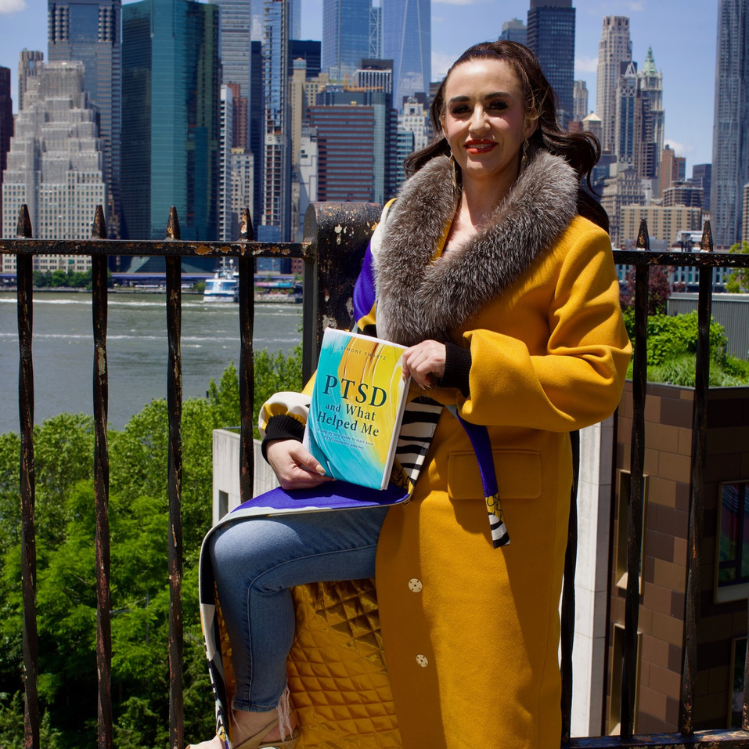
Why did you write PTSD and What Helped Me?
Because I couldn’t find anything like it. Most books on PTSD are either heavy memoirs that relive every detail of the trauma, or they’re written by clinicians who’ve never experienced PTSD themselves.
My book is different. It’s a step-by-step guide that shares what actually helped me in my own healing journey. It includes a wide range of therapies—both traditional and alternative—that I’ve personally researched or tried. I wanted something practical, honest, and empowering—and I couldn’t find it, so I created it.
For someone struggling silently right now, what’s one thing you’d want them to hear?
PTSD is treatable. If God gave you another day, it’s for a reason—and it’s not so you can stay stuck in misery.
You are not alone. PTSD is underreported and underrepresented—but it’s real, and it’s survivable. Seeking help is not weakness—it’s power. You made it through the trauma. Now you get to write your healing story.