How to Win with Wealthy Men Roxy Ray Shows the Way
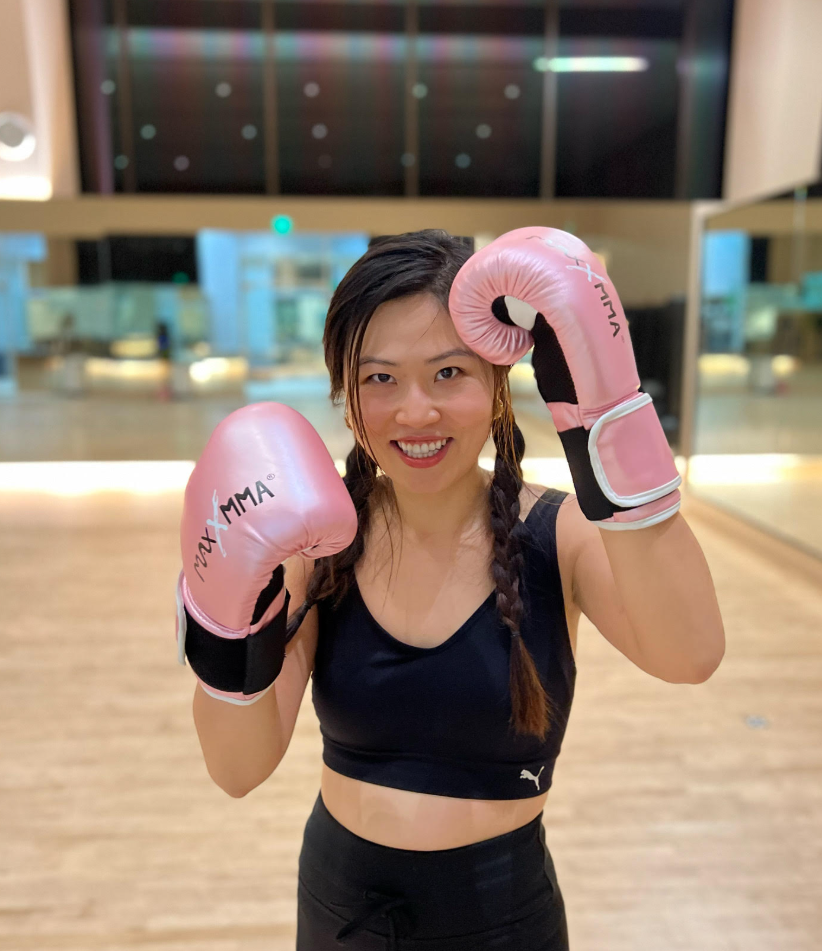
When it comes to dating high-value men, most women rely on charm, beauty, or fairy-tale fantasies but Roxy Ray knows there’s a smarter way. With years of experience coaching ambitious women, she reveals the unspoken rules of relationships with wealthy and powerful partners. From building leverage and emotional influence to setting boundaries and maintaining self-worth, Roxy shows how strategy, not luck, is the true key to winning in love and life.
“Dating wealthy men is a power game. The women who win aren’t the prettiest—they’re the ones with leverage.”
You often say dating wealthy men is a power game. What are the most common mistakes ambitious women make and how can they step into that world with strategy and confidence?
One of the biggest mistakes women make when dating wealthy men is forgetting that a relationship is, at its core, a value exchange. It’s a transaction: what you bring to him, and what he brings to you. Many people assume that if they have money, the relationship is equal—but it’s rarely the case. For example, if you’re making $100K a year and he’s a billionaire, the relationship is inherently imbalanced.
A wealthy partner chooses you because you provide love, companionship, and emotional support, but there’s a power dynamic: the more wealth and influence he has, the more control he holds. History and real life show this, like in the case of Princess Diana—marrying into a powerful, wealthy family often meant limited rights, limited leverage, and a constant imbalance.
If you want to maintain your position in such a relationship, you have to build your own leverage and understand the rules of the game. He may cheat or misbehave, because he holds most of the power. You always have the choice to leave or divorce, but you cannot be surprised if he acts according to that imbalance.
You married a rich man yourself. What was the biggest mental upgrade you had to make to attract and maintain that relationship without compromising your self-worth?
The biggest mental upgrade I had to make was treating my husband like a high-net-worth client. I realized I needed to cater to his needs proactively, rather than waiting for him to please me. My focus became: If I can make him happy and meet his needs, I gain influence and emotional leverage in the relationship.
It’s about understanding what he needs in the moment—does he want excitement, or calm and stability? By fulfilling his needs consistently, he becomes more emotionally dependent, which gives me more leverage and control.
The key mental shift was recognizing that a relationship, especially with a high-value partner, is essentially a business transaction. You aim to move him emotionally, but you yourself must remain strategic, calm, and not overly emotional. This mindset allows you to navigate the relationship effectively while building influence.
Many women dream of the Cinderella story but you teach strategy, not fantasy. How do you define leverage in relationships, and how can women build it authentically?
The reality is, rich men got rich because they are calculated and strategic. Many built their wealth through business by understanding costs, seizing opportunities, and creating leverage for themselves—they didn’t get it for free.
A lot of women still have a Cinderella fantasy, thinking love alone will secure a relationship. But fairy tales aren’t real—Cinderella herself probably would have had to sign a prenup, and if things went wrong, she could end up with nothing.
The key to building leverage in a relationship with a high-value partner is practical contribution, not just love. That could mean having his children, helping him grow his business, or creating your own wealth using his resources. But more than that, you need to be irreplaceable in his life in some way.
How I define leverage in relationships is how competitive you are compared to other women—other girls who are younger, prettier, and also pursuing him. Because high-value men have many options, you need to offer something unique that no one else can. That competitive advantage is leverage—you need to give him what other women cannot give, making yourself indispensable.
Assuming love alone is enough is fantasy, not reality.
You coach wives, girlfriends, and even side chicks three very different positions in the power hierarchy. What lessons have you seen each group teach about value, boundaries, and self-respect?
Respect isn’t given—it’s earned over time. Men know this instinctively. They expect to be tested, challenged, or even treated poorly when they’re at the bottom of the hierarchy, and women need to understand this dynamic. Learning to navigate it strategically is how you build influence, leverage, and long-term respect in any relationship.
Each group occupies a very different place in the power hierarchy, and they each teach distinct lessons about value, boundaries, and self-respect:
Wives: Often have the most long-term stake, and their lesson is about leveraging influence over time. They understand that consistent support, emotional intelligence, and strategic alignment with their partner’s goals can create long-term leverage—but they also face the challenge of maintaining boundaries and self-respect when power is imbalanced.
Girlfriends: They often operate in a shorter-term or more fluid dynamic, which teaches lessons about asserting value quickly and clearly. They learn how to set boundaries and communicate needs effectively while maintaining allure and independence. Their challenge is balancing attention and influence without giving away too much of themselves too early.
Side chicks: They operate on the periphery, which can highlight the importance of self-respect and transactional awareness. They often teach that value is situational and leverage is limited, and success comes from knowing your boundaries, understanding the rules of engagement, and maintaining emotional distance.
Critics might call your message “gold-digging,” yet your content is about self-worth and emotional intelligence. How do you respond when people misunderstand your philosophy?
I would say this is just human nature. Of course, most people are drawn to partners who are wealthy, successful, or attractive—it’s the same for women as it is for men. That’s part of why so many women struggle to find a husband these days: we have high standards, we want someone we can admire, and we want a partner we can be proud of publicly.
Some people call this “gold digging,” but I ask them: don’t you want your daughter to marry someone successful, respected, and well-positioned in society? Anyone who says no is being dishonest. Choosing a partner with resources or influence isn’t shallow—it’s practical, and it reflects natural human instincts for security, status, and compatibility.
You often speak about negotiation and reward. What does healthy negotiation look like in relationships with high-net-worth men, and where do women usually give away their power too soon?
My philosophy is that rich men are willing to invest in their partners. If a billionaire truly values his woman, giving her a million dollars a year is literally less than 1% of his total wealth—it’s nothing to him. The challenge isn’t the money—it’s finding a woman who knows how to receive it strategically.
Where many high-value women go wrong is that they give themselves too early. They sleep with him or bend to his desires immediately, thinking, “I better not lose him.” That approach allows him to take full advantage early on and sets the wrong tone for the relationship.
Men, especially high-value men, like a chase. Let him earn your attention, let him spend effort and resources to win you over, and let him spoil you. If it’s too easy, it becomes predictable and boring later on.
In a world where money and power are still largely controlled by men, how can women play the game ethically and still win?
The reality is, in a world where money and power are still largely controlled by men, women essentially have two paths. They can try to compete like men, but in many industries, the old boys’ club still dominates, and women often don’t have the same advantage.
The other path is to leverage relationships strategically. You gain access to resources, opportunities, and doors through the people you know. I’m not saying you need to sleep with everyone—but using your gender advantage to advance in this world is smart and practical.
The ultimate goal is always the same: grow your value—whether that’s through your career or through the men in your life. If you aren’t actively building your value, you risk being left behind in a competitive environment.
For women who are already successful but still struggle to attract high-caliber partners, what mindset shift do they need to make to raise their standards and energy?
A lot of high-caliber, successful women make the mistake of thinking their partner always has to be more successful than they are. I’ve even had a client who graduated from Harvard and was in the top 1% of income, struggling to find a man “better” than her—it was nearly impossible.
The truth is, most of these women aren’t really looking for someone “better.” What they usually want is companionship, support, and someone who can help manage life’s practical aspects—a house partner who can cook, take care of tasks, and provide emotional value.
I encourage women in these situations to date like men do. Most men don’t want a partner who is more accomplished or someone to look up to—they want a soft, supportive, emotionally valuable partner. If you’re dating a man richer or more successful than you, it often becomes a full-time job, because you have to revolve your life around him, which is impossible if you also have your own full-time career.
Take Kris Jenner as an example: she partnered with a man 25 years younger and they’ve been dating for over a decade. Cory Gamble functions as her cook, driver, security, and head of staff. He is useful and supportive, and the relationship works because she leverages it strategically. The key takeaway is to focus on what you really want, what adds value, and how to structure a mutually beneficial partnership.
Beyond luxury and status, what does true power mean to you and how do you teach women to cultivate it internally, not just through relationships?
I think true power is having a say in your own life—deciding how you want to live, where you want to live, how to raise your children, and shaping your own future. That’s real power.
Most people aren’t born with it. Unless you come from a powerful family, you have to cultivate power over time—through relationships, by excelling in your career, or by becoming a top player in your industry. Once you achieve it, you gain freedom and influence in all areas of life.
I don’t encourage anyone to be a gold digger, but strategic relationships can be one of the most powerful paths to building influence. If you look at some of the richest women in the world, many of them built significant wealth through partnerships or ex-husbands.
Getting there is a grind, just like in any other area of life. Even if you achieve power through your career or clients, you’ll still face challenges and resistance—so expect similar dynamics in relationships. You won’t be respected in the beginning. Respect ONLY exist after you get power. The key is to be strategic, patient, and always focused on building leverage and autonomy.
Looking ahead, what’s your vision for Rise With Roxy? Are you building a movement, a mentorship empire, or redefining modern feminine power and what’s the first step for women who want to rise with you?
I think it’s everything you mentioned. I’m trying to build a movement. I’m running a coaching empire, and I’m redefining what modern feminine power really means. I like to say I’m saving one girl at a time. My goal is for more people to watch my videos, take coaching calls, and change their mindset so they stop being naive.
The truth is, when women are young, most of us dream of marrying a rich guy who will be our Prince Charming and save us. But no one is coming to save us. The princess has to save herself. Even if you find a wealthy partner, it’s a strategic move, not a guarantee. He’s not going to be 100% reliable or always look out for you—you have to look out for yourself and build leverage and power in the relationship.
I want women to stop getting played over and over again. I can’t stand by and watch it happen anymore. It’s time to be smart, strategic, and take control of your own power.
“Love won’t protect you with a powerful man. Strategy will.”
Did you enjoy this article and find it helpful? Why not share it with your social media network below?
Global Woman magazine is a media platform to highlight success stories of women around the world and give them the space to express themselves. We have a team of professional journalists who conduct interviews and coordinate different articles with global experts in different areas and backgrounds. If you are interested to collaborate please click here to fill the form or email at [email protected]