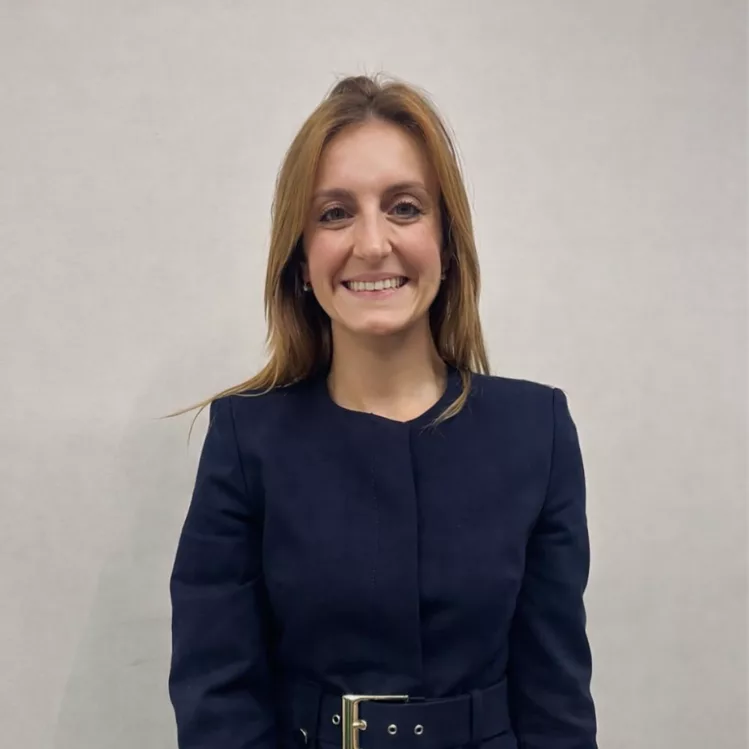
How Rebecca Hardy Turned Grief into Genetic Strength
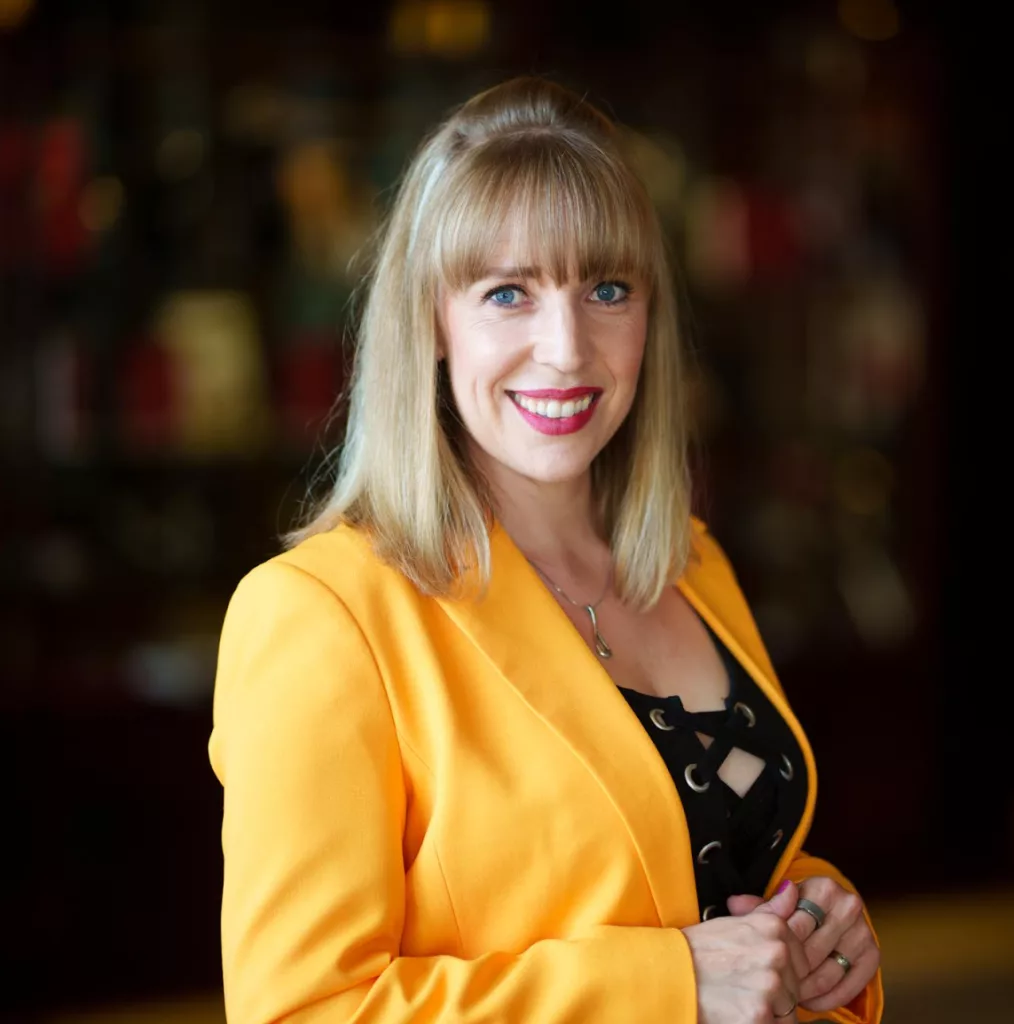
After enduring the unimaginable loss of her first child, Rebecca Hardy refused to let grief define her. Instead, she turned inward, exploring the hidden connections between epigenetics, gut health, and emotional wellbeing. What she discovered changed everything—not just for herself, but for the countless women she now guides. Through her work, Rebecca shows that healing isn’t about moving on; it’s about transforming trauma into resilience, rewriting your biology, and reclaiming your life from the inside out.
“Healing is transforming trauma into resilience and reclaiming your life from within.”
What first drew you to the world of epigenetics and gut health?
It began with my own personal journey. After losing my first child, my body and emotions felt out of balance in a way that conventional answers couldn’t fully explain. I needed to understand why my body wasn’t functioning the way it should and how to truly restore my energy, resilience, and inner balance. Epigenetics and gut health opened a doorway for me: they showed that our bodies are not fixed, but adaptable, responsive, and capable of healing. That realization changed everything — and it’s what now guides my work with other women who are looking for the same kind of deep, meaningful transformation.
You describe yourself as a “star mom.” A term used in Germany to describe a woman that has lost a child. How has this experience shaped the way you see life and healing today?
In every aspect. I’ve learned that I am allowed to hold even the darkest moments of my life with gratitude and love, because they form the foundation for something meaningful to grow. For me, it means giving a voice to the experience of losing a child during pregnancy — bringing awareness, acknowledgment, and compassion to something that is still often silenced. This experience has shaped the way I see healing: not as “getting over” something, but as integrating it, honoring it, and allowing it to transform us from within.\
Many people hear the term epigenetics but don’t fully understand it. How would you explain it in simple terms?
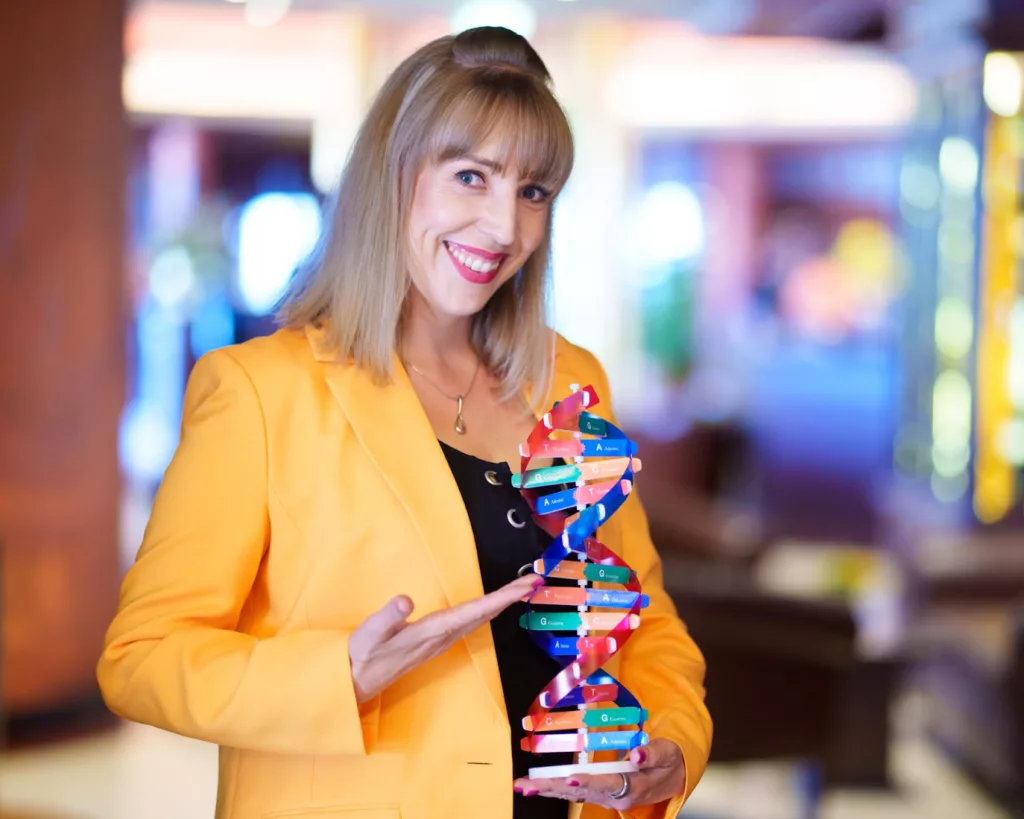
Epigenetics basically means that our genes are not our destiny. We all carry genes that could support health or lead to illness, but what matters is which of those genes are active. Epigenetics is about helping the genes that support health stay switched on, and the genes that code for sickness stay switched off, for as long as possible.
We do this through many layers: nutrition, micronutrients, gut health, nervous system regulation, and also by understanding how trauma, stress, and even our childhood experiences influence the body. Our genes actually respond to our environment — and this effect can reach up to seven generations. So, when we heal ourselves, we’re also changing what we pass forward.
How did your personal health journey lead you to discover the connection between emotions, the gut, and overall wellbeing?
I discovered this connection through my own DNA analysis, which showed that I don’t metabolize folate properly. That insight helped me understand why complications can occur during pregnancy. Detoxification was another key piece for me and some others.
For me, it’s not about living perfectly or following every rule. It’s about creating a healthy balance in everyday life and understanding where my personal genetic vulnerabilities are. When we know how our genes function, we can adjust our lifestyle to support them — and that’s where the real transformation begins, emotionally, physically, and in our overall wellbeing.
What do you wish more people knew about how trauma or grief can affect the body?
Trauma and grief have many layers. It often begins with shock, then can move into anger, denial, suppression, and simply “functioning.” At some point, acceptance may come. Some people move through all of these phases, others only through a few. There is no “right” way to grieve — everyone experiences it differently.
But one thing is certain: our nervous system and the biochemical reactions in our body cannot distinguish which trauma is happening. Stress is stress. And stress has a direct impact on our digestion, our gut, and our immune system.
When we live in a state of ongoing stress, the body shifts into survival mode — and over time, that becomes the foundation for many chronic health issues. This is why emotional healing is physical healing, too.
When you work with clients, what’s the first step you take to help them regain balance and energy?
First, we begin with the physical level. We use scientific analyses that show, in black and white, where the weaknesses are and where we can start. This allows us to make targeted changes, and clients usually notice the first improvements quite quickly. Once their body begins to regain strength and energy, they are naturally more open and ready to explore the emotional and spiritual layers as well.
Can you share a story or example of how understanding one’s own biology has transformed someone’s health?
Many women come to me for support, and often we discover later that they are also Star Mum. A term used in Germany to describe a woman that has lost a child. One recent example is a wonderful woman: self-employed, successful, hardworking, and very loving with her husband and son. She travels, she laughs, she seems outgoing and joyful on the outside. Yet in the past few years, she gained a lot of weight and simply could not lose it, no matter what she tried. She also had digestive problems and hairloss, besides feeling somehow empty on the inside.
We ran a DNA and gut analysis, and within the first 8 weeks of working together, she lost over 10 kg. The physical approach was very important for her motivation. But we also discovered that the weight had become a form of protection — a way her body held onto safety after the trauma of losing a child. Understanding her biology helped her body release. Understanding her story helped her release her heart. And that is where true transformation began.
As a wife, mother, and coach, how do you maintain your own sense of balance and vitality?
I maintain balance through daily gratitude. We practice gratitude and affirmations in our home, supported by small, grounding routines throughout the day. I love my work with my clients, and I also deeply value my time with my family.
I believe that when you do what you love, and at the same time honor what your body needs on a genetic, physical and emotional level, you have everything you need to live in balance and vitality. But most importantly you need to allow yourself to do so.
What role does mindset or self-awareness play in healing through epigenetics and gut health?
A major role. It’s a bit like walking down a street full of potholes. You can close your eyes, rush forward, and hope you don’t twist your ankle — or you can look closely, understand where the holes are, and move with awareness. That way you can walk safely, steadily, and without injury.
Mindset and self-awareness help us see what’s happening in our body, rather than just reacting. When we understand our patterns — physically and emotionally — we can make conscious choices that support healing, instead of repeating the same cycles. Awareness makes the path smoother.
What message would you like to share with others—especially mothers—who are walking through pain or loss and trying to rebuild their health and strength?
When life brings you an experience like the loss of a child, it is, in one way, a test — a difficult one, but a test the universe gives only to those it knows can carry and transform it. And at the same time, it is your invitation to place yourself back at the center of your life, to tend to your heart and your body, and to create something meaningful from the pain.
This is not about “moving on,” but about allowing your love, your strength, and your story to grow into something beautiful. You are allowed to heal. You are allowed to rebuild. And you are allowed to choose yourself again.
Did you enjoy this article and find it helpful? Why not share it with your social media network below?
Global Woman magazine is a media platform to highlight success stories of women around the world and give them the space to express themselves. We have a team of professional journalists who conduct interviews and coordinate different articles with global experts in different areas and backgrounds. If you are interested to collaborate please click here to fill the form or email at [email protected]