

MJ Lace: Building a World Where Everyone Belongs
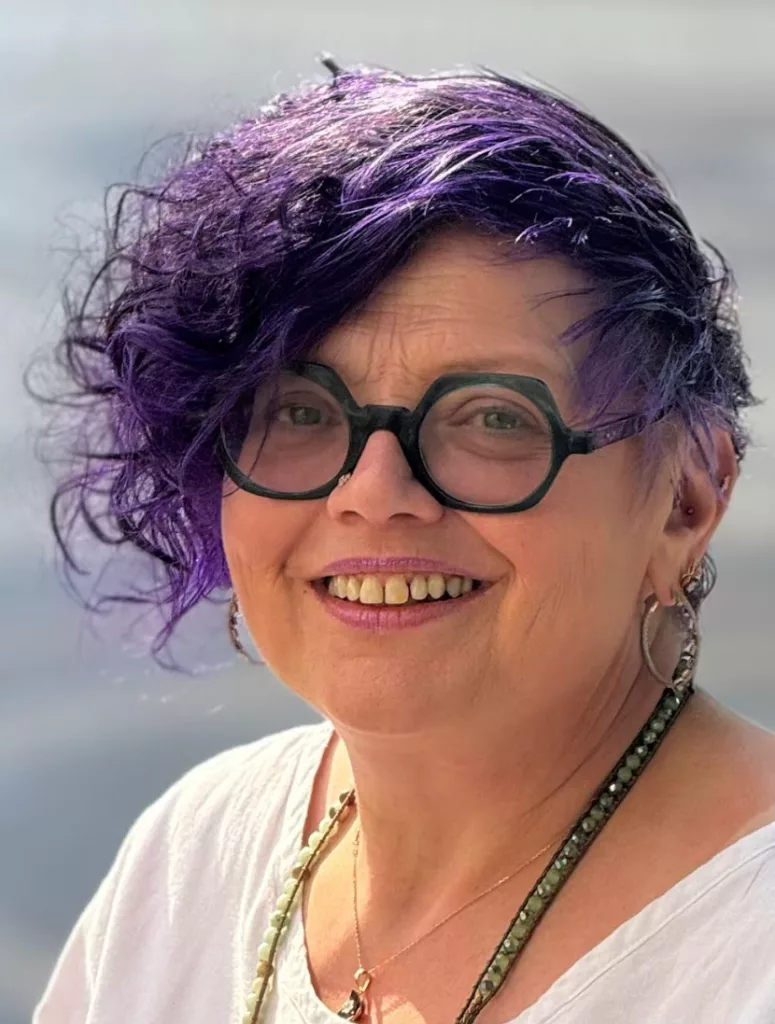
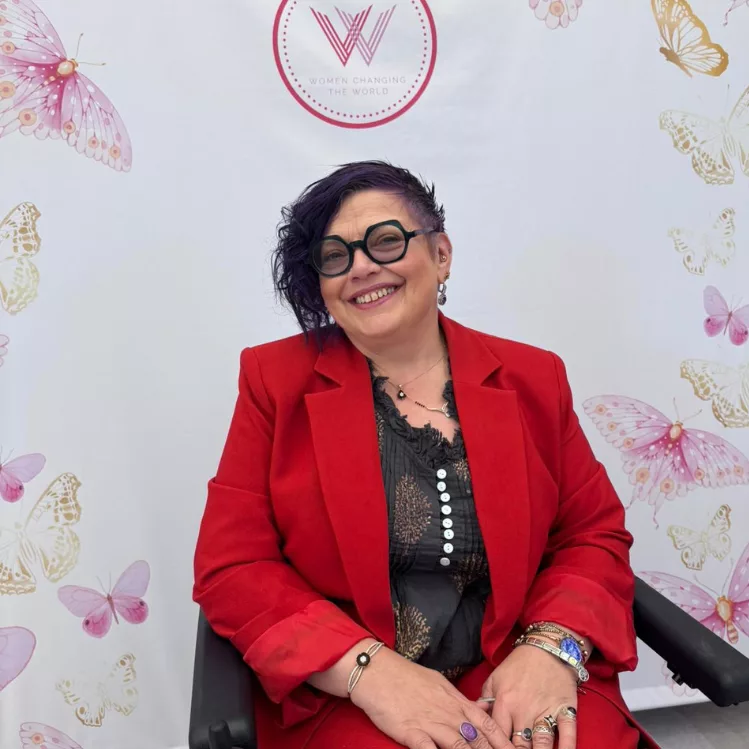
With lived experience as her foundation, MJ Lace has become a global voice for inclusion, accessibility, and belonging. As the founder of Accessibility Partners and Global PODS, she has transformed personal challenges into a universal mission — turning barriers into blueprints and lived experience into leadership.
“Inclusion isn’t a policy — it’s a promise to see, value, and design for every human.”
In a world often built for sameness, MJ stands at the intersection of empathy and action. Her life’s work is proof that inclusion isn’t charity — it’s design. It’s the art of making space where everyone feels seen, supported, and safe to shine.
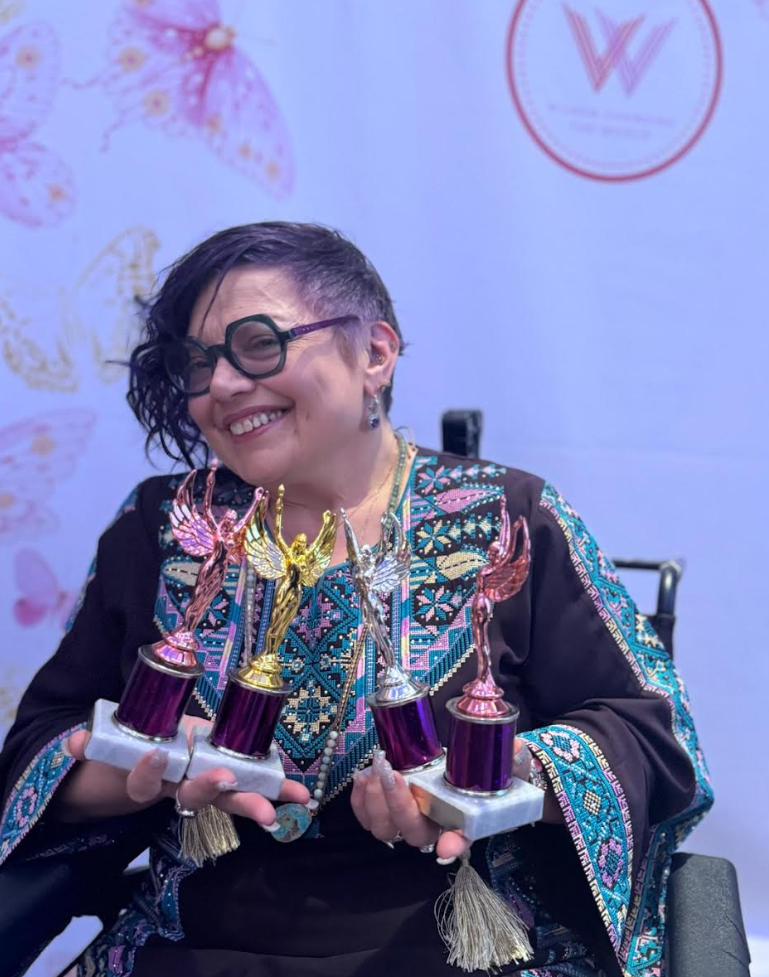
What inspired you to dedicate your life to inclusion and supporting Persons of Determination?
It started from lived experience. I didn’t wake up one morning and decide to “work in inclusion”, I grew up inside it.
I’ve been that person in the room who had all the ideas, but none of the access. The one who was underestimated because the system couldn’t see past my difference.
At first, I fought for survival. Then I realised if I could navigate these systems, I could change them. That’s when Accessibility Partners was born; not as a business, but as a movement.
It’s about turning barriers into blueprints, pain into power, and ensuring that no one else has to fight quite so hard just to belong.
You often say inclusion should be built in from the start, not added later. What does that really mean to you?
It means inclusion isn’t an afterthought, it’s the foundation.
You can’t design a building and add a ramp later and call it accessible. True inclusion means asking, from the very beginning: “Who might we be leaving out, and how can we bring them in from the start?”
It’s about mindset, not modification.
When inclusion is woven into design, from policies to hiring, from classrooms to websites, you stop excluding people before they even arrive.
Inclusion should be baked in, not bolted on.
How has your experience in psychotherapy and social work shaped the way you help people and organisations?
It’s everything.
Psychotherapy taught me that people don’t resist change, they resist being unseen in the process of change.
Social work taught me that systems don’t fail people by accident, they fail because they were never designed with them.
I blend both worlds: the empathy of therapy and the structure of social work. That means I see both the inner landscape and the outer system, the trauma in the person and the trauma in the organisation.
I help people heal, and I help systems evolve.
Tell us about Global Pods. How did it begin, and what makes it special?
Global PODS began as a vision during lockdown, a digital campfire for inclusionists, activists, and dreamers who were tired of working in isolation.
We created virtual spaces across continents, PODS where people of determination, professionals, and allies could co-create solutions together.
It’s special because it’s alive.
It’s not a webinar or a project; it’s a living network of humans who get it. People who use lived experience as expertise, and compassion as strategy.
Each POD is a microcosm of the world we’re trying to build; connected, inclusive, and determined to co-create GPODs.
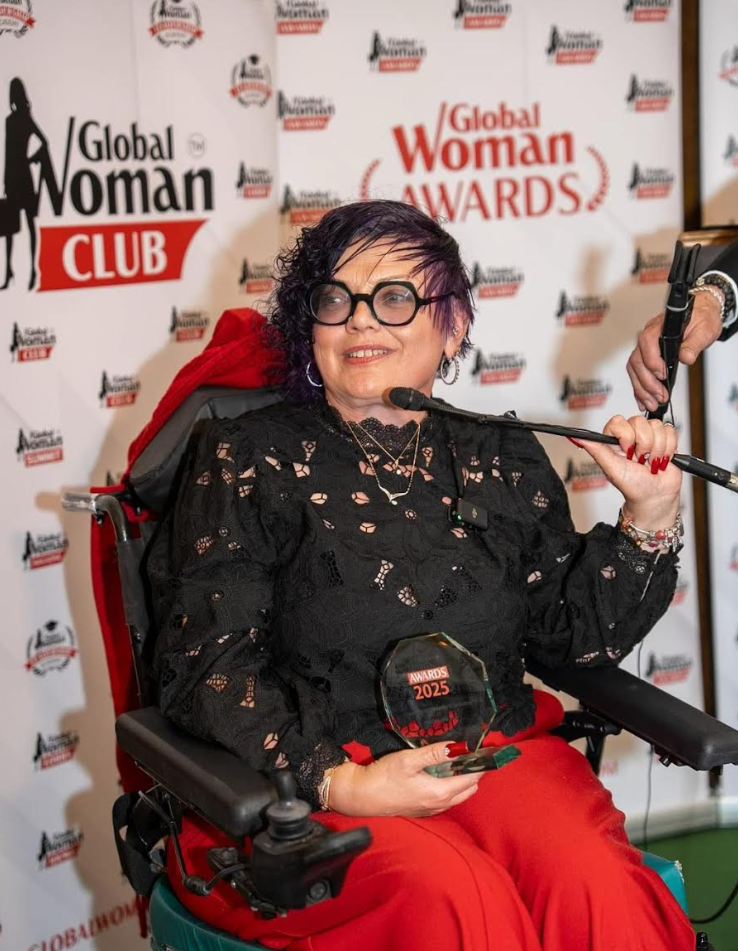
What are some of the biggest challenges you see when it comes to true inclusion in schools or workplaces?
Three things:
1. Fear of getting it wrong; people freeze because they don’t want to offend.
2. Tick-box culture; inclusion becomes paperwork, not people-work.
3. Lack of representation at the top; you can’t be what you can’t see.
Inclusion isn’t achieved by policies, it’s achieved by people who live those policies.
Schools and workplaces often forget that inclusion isn’t about accommodating disability; it’s about honouring diversity.
Can you share a story or project that made you feel proud of the impact you’ve created?
One that stands out is working with a young man who’d been told he was ‘unemployable’. He was brilliant, autistic, non-verbal, anxious, and wildly creative. The system had failed him repeatedly.
Through Access to Work we secured coaching, equipment, and a structured environment that matched his rhythm.
He now runs his own photographic digital design business and has been featured around the world; BUG the Autistic Artist! He will be mentoring others who are just starting their journey, collaborating to co-create soundscapes, visual installations and live presentations in domes around the world with UX designers, audio creators and other digital creators – What a beautiful journey!
That’s inclusion in action: not rescuing, but releasing potential.
What helps people with different abilities thrive not just fit in in their communities?
Belonging.
When people feel safe to show up as their full selves without shrinking, masking, or apologising, they don’t just survive, they soar.
Thriving comes from:
• Access – practical tools and environments that work.
• Agency – the power to make choices.
• Affirmation – the feeling that your difference is a strength, not a flaw.
Inclusion isn’t about making everyone the same, it’s about making sure everyone’s difference is celebrated and useful.
Why is empathy so important when we talk about inclusion and accessibility?
Because inclusion without empathy is just architecture.
You can build ramps, install lifts, and tick every compliance box, but if your culture lacks empathy, people still feel excluded.
Empathy turns access into connection.
It’s what helps a receptionist notice someone struggling. It’s what makes a teacher pause before judging. It’s the human heartbeat behind every policy.
Empathy is the first reasonable adjustment we should all be making.
If a company or school wants to start being more inclusive, what’s one simple thing they can do today?
Start by listening…not to the loudest voices, but to the quietest.
Ask, “What do you need to thrive here”? and mean it.
You don’t need a huge budget to be inclusive. You need curiosity, courage, and consistency.
Inclusion begins when people feel heard, not herded.
What keeps you motivated to keep pushing for a world where everyone belongs?
Because I’ve seen what happens when they don’t.
I’ve seen brilliant people broken by bureaucracy. I’ve seen gifts go unused because someone didn’t fit a form.
But I’ve also seen transformation when inclusion works. When a person finally gets the right chair, the right support, the right belief behind them, and they flourish.
That keeps me going because inclusion isn’t just my job, it’s my calling. And until belonging is everyone’s reality, not just a word on a website, I’m not done.
Until the world is made for everyone we will not stop, the question is will you?
Everyone needs an Accessibility Partner to co-create inclUSion by design, not as an afterthought.
It makes business sense, it makes human sense, and it makes a heart shift “because we can’t be, what we can’t see”.