

Kulsum Shadab Wahab: From Survival to Sovereignty
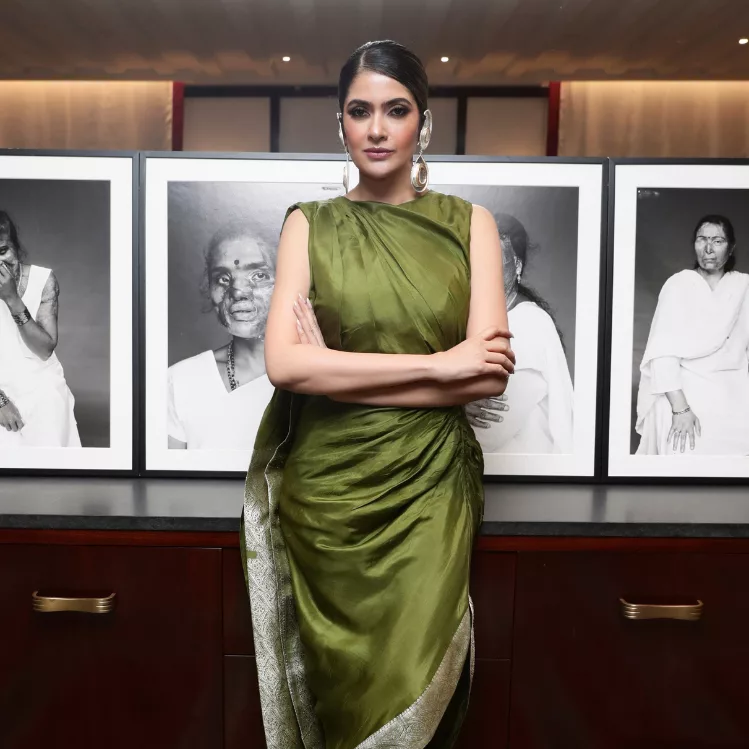
When Kulsum Shadab Wahab meets survivors of acid attacks, she doesn’t just see their scars—she sees their strength, their stories, and their potential to reclaim their lives. As Executive Director of the Hothur Foundation and Founder of Ara Lumiere, Kulsum has turned compassion into action, blending philanthropy and fashion to restore dignity, empower women, and redefine what it means to rise from trauma. Her work is a testament to the idea that true luxury lies not in opulence, but in resilience, creativity, and purpose.
“Luxury is resilience, purpose, and dignity.”
What inspired you to step into this work of supporting survivors of acid attacks, and how did your journey with the Hothur Foundation begin?
The Hothur Foundation was founded on a much broader belief than any single cause. From the very beginning, its purpose was to enable economic freedom, provide medical aid, support maternity and education, and stand by women and children who are vulnerable or marginalised ..including those living with disabilities.
It was during one such visit, while meeting a child with disabilities undergoing surgery at a hospital, that I came across a survivor of an acid attack. That encounter became a turning point. I was confronted not only with the physical trauma she carried, but with how completely she had been abandoned once the emergency care ended. In that moment, it became clear to me that rehabilitation had to go far beyond treatment … it had to include long-term medical support, livelihood, dignity, and the right to rebuild a life.
Supporting survivors of acid attacks grew organically from that experience. It became one part of a larger mission ..not isolated, but deeply connected to the Foundation’s core values of care, continuity, and empowerment. Hothur Foundation exists to ensure that no woman or child is left behind at the moment they need support the most, and that recovery is not temporary, but sustained and humane.
When you meet survivors for the first time, what is the first message or feeling you hope to give them?
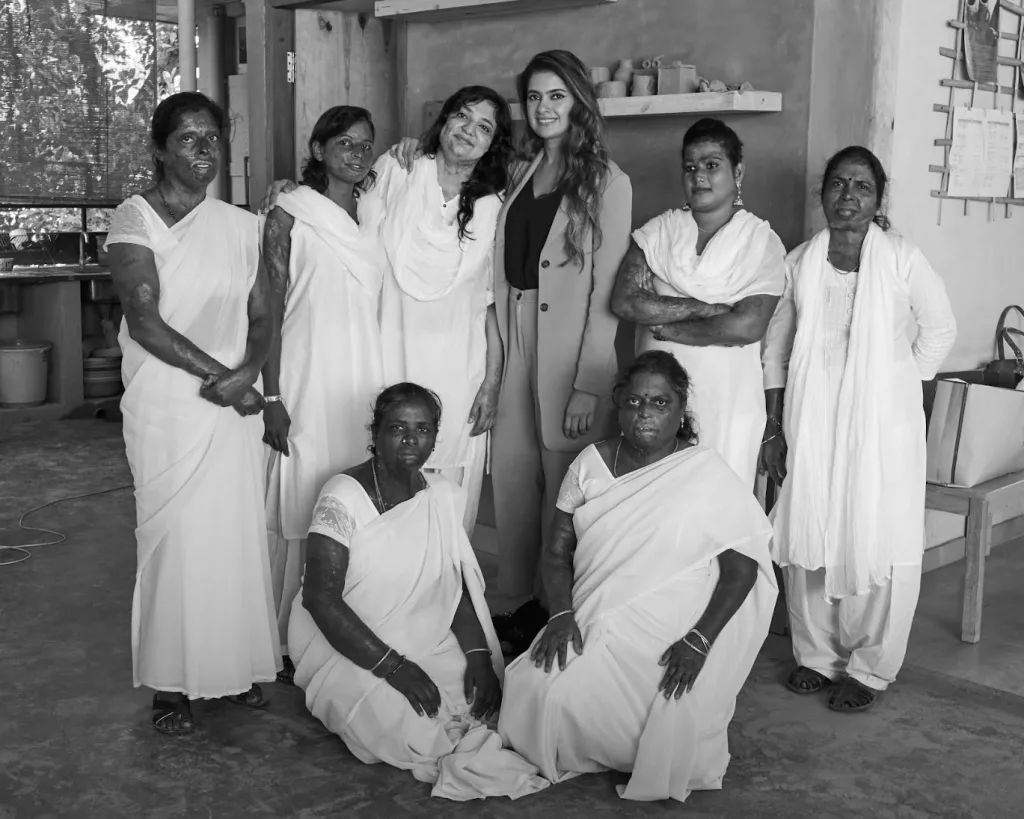
The first thing I want them to feel is safety …and then, dignity. I want them to know that they are seen beyond their trauma. I never begin with solutions; I begin with listening. My message is simple but essential: what happened to you does not define the rest of your life. You are not alone, and your story still holds power.
The rehabilitation process for survivors is deeply emotional and complex. What have been some of the most powerful transformations you’ve witnessed?
Some of the most powerful transformations are quiet ones … a woman choosing to look at herself in the mirror again, speaking confidently for the first time, or daring to imagine a future that includes independence and joy. I’ve witnessed women who once felt invisible step into leadership, artistry, and entrepreneurship. These moments remind me that healing is not linear, but when it happens, it is profoundly transformative.
Ara Lumiere is such a unique blend of couture and advocacy. What sparked the idea of creating a luxury brand led by survivors?
Ara Lumiere was born from a belief that survivors deserve to be creators of beauty, not just recipients of charity. Fashion has immense power .. it shapes identity and perception. I wanted to build a brand that challenged conventional ideas of luxury by placing survivors at its heart. Here, luxury is not just about aesthetics; it is about resilience, craftsmanship, and purpose.
How do the women involved in Ara Lumiere influence the creative process and designs?
Their lived experiences shape everything … from the emotion behind a piece to the care taken in its making. The designs carry strength, softness, and intention. These women bring authenticity that cannot be manufactured. Their voices, their journeys, and their reclaiming of self are woven into every garment.

You’ve received global recognition for your work. How do these international platforms help amplify the voices of the women you serve?
Global platforms allow these stories to travel beyond borders. They shift the narrative from victimhood to capability and leadership. Every time the work is seen internationally, it opens doors for collaboration, and most importantly, for survivors to be recognised as contributors to culture and society.
What misconceptions do people still have about acid attack survivors, and how does your work help challenge those narratives?
One of the biggest misconceptions is that survivors are permanently broken or dependent. That couldn’t be further from the truth. Our work challenges this by showcasing their talent, intelligence, and entrepreneurial spirit. We don’t ask people to feel pity …we invite them to feel respect.
As a leader in both philanthropy and fashion, how do you balance compassion, creativity, and strategy in your day-to-day work?
Compassion is the foundation, creativity is the language, and strategy is what ensures sustainability. I’ve learned that empathy without structure can lead to burnout, and strategy without heart loses meaning. Balancing the three is an ongoing practice …one rooted in discipline, reflection, and staying connected to why this work began.
What gives you hope when the work feels heavy or emotionally overwhelming?
The women themselves.
Their courage, humour, and resilience constantly remind me why this work matters. Even on the hardest days, witnessing a survivor reclaim her voice or independence restores my faith in what is possible.
Looking ahead, what impact do you hope to create in India and around the world through both Hothur Foundation and Ara Lumiere?
I hope to create a world where survivors are not defined by violence but recognised for their strength and contribution. Through Hothur Foundation, I want to expand access to rehabilitation, education, and long-term support. Through Ara Lumiere, I want to continue redefining luxury as something deeply human …rooted in purpose, dignity, and transformation.