

Kelli Lewis: Stop Hustling, Start Structuring
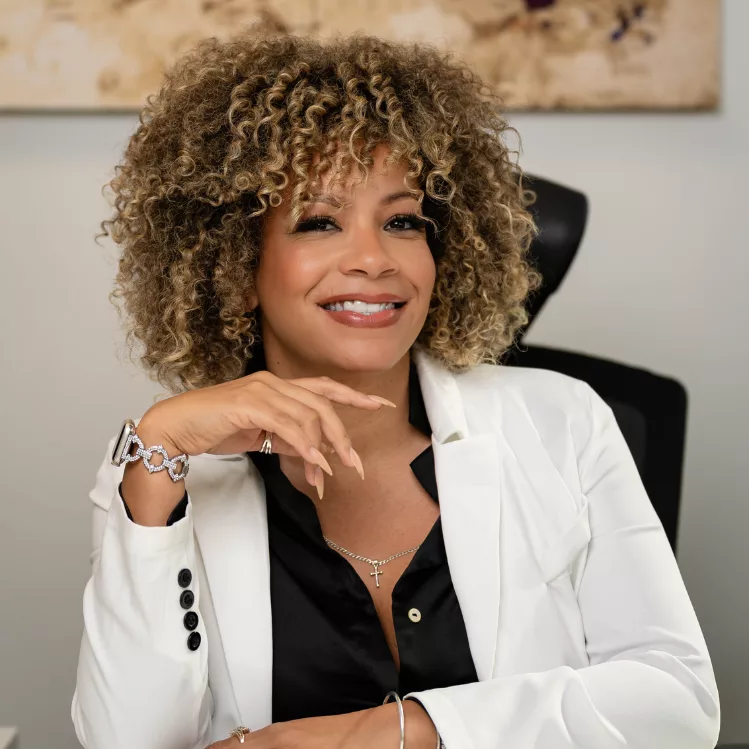
Kelli Lewis is the CEO and Founder of KelliWorks Accounting, a boutique accounting firm, and a sought-after fractional CFO. For nearly 20 years, she has helped transform over 300 businesses by guiding entrepreneurs out of chaos and into clarity. Having built her firm as a single mother, she understands firsthand the weight of being both provider and leader. Today, Kelli challenges hustle culture and shows business owners that true freedom and real growth come not from working harder but from building systems, setting boundaries, and leading with strategy. In her world, success is not about being needed; it is about creating a business that works, so you do not have to.
“Hustle keeps you busy. Structure sets you free.”

You’ve helped transform over 300 businesses. What is the one financial truth entrepreneurs resist the most, and how does it cost them real freedom?
The most resisted truth? “I can’t afford it” is keeping you broke. The real mindset shift is: you can’t afford not to build the right financial foundation. Fear around hiring, investing, or implementing systems keeps people stuck in the same rat race. They think more sales will fix it, but if the back-end is broken, more sales will just amplify the dysfunction. Freedom comes when you stop hustling and start structuring. Otherwise, you’ll always be busy, but never truly building.
Your motto, “KelliWorks, so you don’t have to,” challenges the hustle culture narrative. What moment in your own journey made you reject the grind and redefine success?
I used to take pride in how “busy” I was wore it like a badge of honor. But after a while, I realized busy often looks chaotic. And who wants someone chaotic managing their finances? My clients loved me, but being constantly available didn’t earn me more respect it actually cost me peace. That’s when I knew I had to shift. I stopped trying to do it all, and I built a firm with real systems, a real team, and real boundaries. The goal is no longer to be the hero it’s to build a business that works, so you don’t have to.
In your experience, what is the biggest misconception entrepreneurs have about scaling—and why does it keep them stuck in burnout cycles?
Too many entrepreneurs confuse being needed with being valuable. They think scaling means hiring a clone, or that clients only want them. The truth? Clients want results, not babysitting. Scaling isn’t about cloning yourself it’s about building systems that don’t need you. Founders get stuck because they believe no one can do it like them, or that hiring is a cost instead of a growth strategy. I help clients work through that false reality. Once they shift their mindset, scaling feels like relief not risk.
Entrepreneurs often hide behind being “busy.” What signs reveal that someone is actually overwhelmed, not productive?
If someone says they’re slammed but can’t name one thing that actually moved the needle they’re not productive, they’re overwhelmed. The signs are subtle: constantly putting out fires, being reactive instead of proactive, skipping meals, dropping balls at home, always tired but never finished. We glorify grind, but real productivity feels clear not chaotic. You should feel in control, not buried alive.
Your new book compares overworking to an addiction. What are the most dangerous “workaholic behaviors” entrepreneurs glorify without realizing the damage?
The most dangerous thing is how normalized burnout has become. We praise late nights, being always on, and “doing it all” like it’s some Olympic sport. But it’s really functional overwork it looks like discipline, but it’s actually avoidance. Not delegating, tying your worth to your inbox, never resting… that’s not leadership, that’s a trauma response. We have to unlearn the idea that being needed is the same as being valuable. Your business should love you back.

How can business owners build financial systems that support not only profitability, but peace, clarity, and real-life balance?
Start by partnering with a professional. Get real about your numbers. Your finances should work with you, not against you. Stop relying on last-minute spreadsheets and start building financial rhythms weekly check-ins, monthly reviews, quarterly planning. Align your spending with your values and automate what you can. When your money is clean, your mind is calm. That’s not just profit that’s peace.
You started your journey as a 23-year-old single mother. How did that shape the way you lead, serve, and teach entrepreneurs today?
“I did not have time to romanticize fear. I had to figure things out fast. That urgency made me resourceful and decisive, and it still shapes the way I lead today. As a 23-year-old single mother, everything was on my shoulders financially and emotionally. I teach from experience, not theory. I have lived through the chaos, and now I build systems to keep my clients out of it. I do not glorify hustle. I focus on structure, strategy, and creating a business that supports your life instead of consuming it.”
Operational excellence and financial intelligence often feel intimidating. How do you help entrepreneurs shift from avoidance to empowerment?
First, I remove the shame. Numbers aren’t here to judge you they’re here to help you lead. Then we break things down step-by-step. I show you what’s really going on behind the scenes and where the leaks are. Small wins build confidence. One automation. One clear report. One smart decision. Before long, you’re leading with clarity instead of reacting with fear. Empowerment comes from understanding not perfection.
What do you believe separates businesses that thrive sustainably from those that plateau despite the founder’s hard work?
Structure. Mindset. Systems. The ones who thrive are the ones who stop playing superhero and start building real infrastructure. They lead like CEOs, not task managers. They track data, delegate with confidence, and have a clear vision. The ones who plateau are usually burnt out, undercharging, and trying to carry it all. Hard work got you here but strategy is what takes you further.
If every entrepreneur could adopt just one habit that would change their business—and their wellbeing. What would it be, and why?
Make space for CEO time every week. No email, no calls, no client work. Just vision, strategy, and clarity. Sit with one question: “What is the most important thing only I can do right now?” That single habit will shift everything. When you stop reacting and start reflecting, you stop running in circles and start moving forward with intention instead of exhaustion.