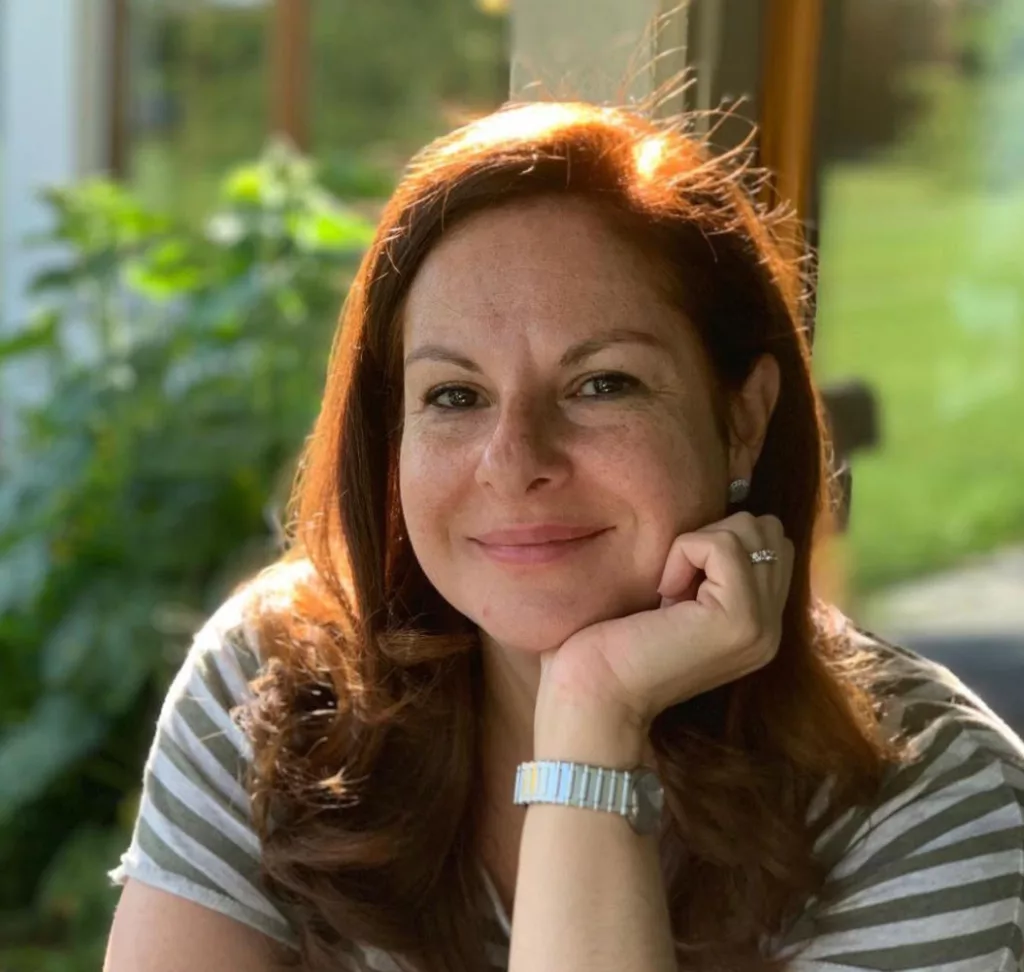



From Reaction to Reinvention: Alina Staehli on Mastering Mindset and Behavioral Change
Born in Armenia and now based in Switzerland, Alina Staehli has built a rich and diverse career spanning multiple industries — from airlines to fashion and cosmetics — before finding her true calling as a Behavioral Transformation Coach.
Her journey bridges two distinct worlds: the emotional depth and resilience of Armenia, and the precision and structure of Switzerland. Today, she helps individuals unlock their potential by identifying and reshaping the behavior patterns that hold them back, empowering them to lead with balance, confidence, and authenticity.
In this exclusive interview, Alina opens up about her cross-cultural path, the lessons she’s learned from navigating change, and the transformative power of mindset work.
You’ve built successful careers in both Armenia and Switzerland — two very different cultures. How did each environment shape your personal and professional philosophy?
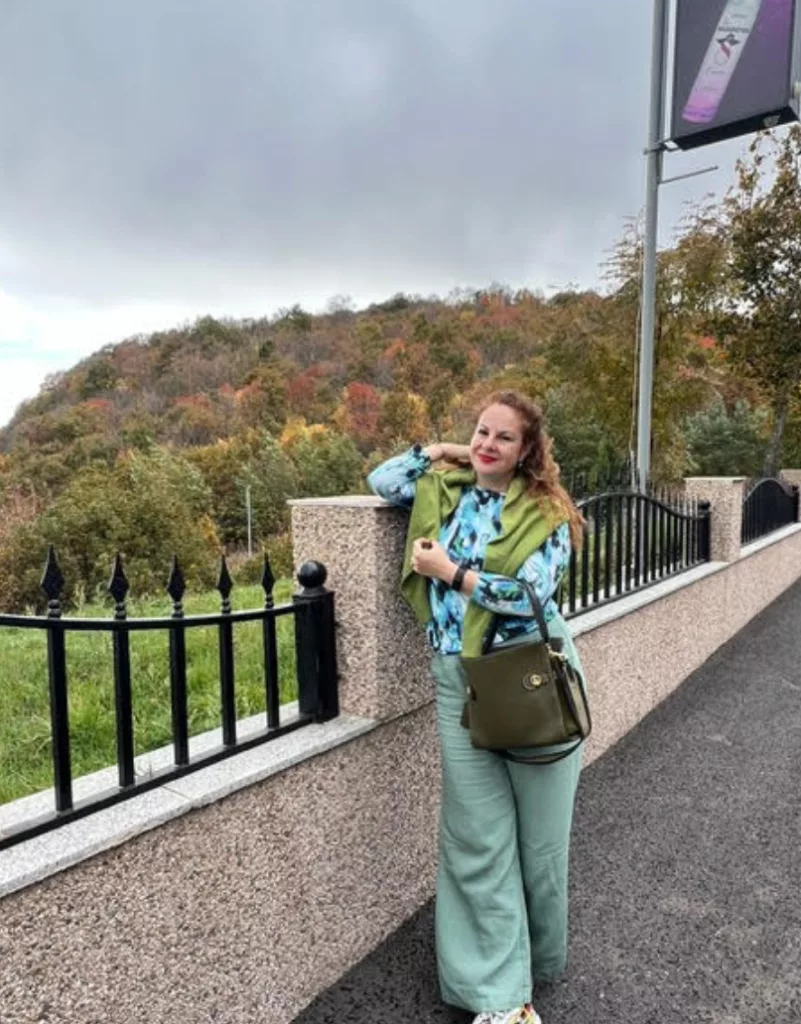
Living and working in both Armenia and Switzerland has profoundly shaped the way I see the world.
My life in Armenia — through the Soviet Union era, the Perestroika period, and the birth of an independent republic navigating war and the aftermath of a devastating earthquake — gave me emotional depth, intuition, and resilience. It taught me how to create meaning out of challenges and how to rely on human connection and creativity when resources are limited.
Switzerland, on the other hand, refined my sense of structure, precision, and long-term thinking. It taught me the value of balance — that discipline and consistency can coexist with inspiration and heart.
Together, these two cultures have helped me build a personal and professional philosophy centered on loyalty, empathy, and emotional intelligence. I’ve learned that true success isn’t about choosing one approach over another — it’s about integrating the best of both worlds.
What were some of the biggest challenges you faced when starting over in Zurich, and how did those experiences influence your understanding of human behavior and resilience?
When I moved to Zurich in 2004, adapting to a completely new life wasn’t easy. Even though I had visited many times before, living there permanently was a different experience. At that time, there were no video calls or free international messaging apps — I could only speak to my loved ones in Armenia once or twice a week for a few minutes. Combined with the emotional challenges of postnatal change, this distance made the transition even harder.
The biggest challenge was stepping into motherhood without the physical support of my Armenian family and close friends. Everything felt unfamiliar — the language, the culture, the routines — and I had to navigate it all while learning to be a new mom. I was fortunate to have the support of my Swiss family, but it was still a major adjustment.
For the first 13 years, we lived with my mother-in-law, which turned out to be a blessing. It helped me integrate quickly, understand Swiss traditions, and master the language — I was speaking Swiss German like a local within a year and a half. Through this experience, I not only discovered cultural and linguistic nuances but also learned so much about resilience and human behavior.
These years deepened my understanding of how mindset, emotional well-being, and human connection shape how we respond to life’s challenges. Knowing both cultures has made my mind more flexible and given me valuable insights into human nature — insights that continue to inspire my coaching work today.
You’ve worked in diverse industries — from airlines to fashion and cosmetics. What common behavioral p
What I’ve learned is that regardless of industry, people are fundamentally the same. Everyone has fears, insecurities, and struggles with ego. What changes is the environment — the culture, the goals, the communication style — but beneath it all, the same human dynamics are at play.
Everyone wants to feel valued, respected, and seen, no matter their profession or nationality. The emotional needs for belonging, recognition, and purpose are universal.
I also noticed that people define ethics and morals differently, shaped by their unique experiences and values. Ultimately, whether in business, beauty, or aviation, what truly matters is how we connect with others — how we make them feel seen, respected, and appreciated. That’s where genuine collaboration and success begin.
What initially sparked your interest in coaching and, more specifically, behavioral transformation?
A few years ago, I spent some time reflecting on this question — and realized the spark began long before I knew what “coaching” was.
Back in the late 1990s and early 2000s, while working at Swissair, I hosted a weekend radio program in Armenia called “And Again About Love.” Since there was no Google or online research back then, I spent hours reading books and crafting each show based on what I learned and what I felt.
After each broadcast, listeners could call to share feedback. One day, a young woman asked me to create an episode based on her own love story. I did — and a week later, she visited the station to tell me that my program gave her the courage to leave a painful relationship. She said she recorded it and listened to it every night before bed, and it gave her strength to move forward. Seeing the gratitude and light in her eyes was the first moment I realized how powerful words and reflection could be — even though I didn’t yet know what “coaching” meant.
Over time, many similar experiences showed me that my perspective and communication could truly help people. In 2019–2020, I decided to formalize this passion by attending a one-year coaching school — balancing it with a full-time job, motherhood, and family life. It was challenging, but deeply rewarding.
At first, I worked as a general life coach. But during the pandemic, I began to notice how people reacted to stress and emotional triggers — how those closest to us often know exactly which “buttons” to press. I also noticed my own shifts when I chose to respond differently. That’s when I realized how changing behavioral patterns can completely transform a person’s life. That discovery led me to specialize in behavioral transformation coaching.
You often speak about the power of changing behavior patterns. How do you help clients recognize which patterns are holding them back?
When we’re in difficult situations, our instinctive reactions — like the ancient “fight or flight” response — take over. Over time, these reactions become subconscious habits. Our brain tells us, “This worked before; it will work again.” Eventually, these patterns shape our character and make us predictable — even when they no longer serve us.
When a client comes to me, we explore their challenge together. We identify what’s happening, why it’s happening, and which behavior patterns might be contributing to it. Once those are clear, we work on shifting their responses to align with their goals.
My coaching helps clients replace automatic reactions with conscious choices that support who they want to become. Through that process, they often rediscover confidence, clarity, and freedom they didn’t realize they had.
Many people want to change but struggle to stay consistent. What’s the first practical step someone can take to start reshaping their mindset?
You’re absolutely right — real change requires not only discipline but also courage.
I believe the true engine of change is desire — the sincere, inner wish to do things differently. You can’t expect new results if you keep doing and thinking the same way.
A powerful first step is reflection. Look at your life and ask yourself honestly: What do I truly want? If there’s something you’ve been postponing, write two lists — one describing how you’d feel if you pursued it, and another describing how you’d feel if you didn’t. Then, take a quiet moment to listen to yourself without judgment.
In today’s fast-paced, technology-driven world, it’s easy to lose connection with our inner voice. This exercise helps you return to your authentic desires, not those shaped by others’ expectations.
Once you’re clear about what you want, take one small step toward it — even something simple. Don’t underestimate the power of small, consistent actions. Over time, they accumulate into real transformation.
You mention that working with a specialist can shorten the journey of change. What makes the coach–client relationship so transformative?
Every person can achieve results on their own — but with a coach, the journey becomes shorter, clearer, and more focused.
The foundation of a successful coaching relationship is trust and energetic alignment. Both the client and coach must feel comfortable and connected. Only then can the process be truly effective.
When people repeatedly think about their problems, they often make them worse. Speaking about them out loud — especially with someone who listens without judgment — brings clarity and relief. A coach acts like a mirror, reflecting not just challenges but also hidden strengths and blind spots.
Another key aspect is perspective. When you’re immersed in your own challenge, it’s difficult to see the bigger picture. But every problem arrives with its own solution — we just can’t always see it right away. A coach helps you step outside of the issue, view it objectively, and uncover the path forward.
In my sessions, I help clients break habitual thought patterns, question limiting beliefs, and build new behavioral models that support their goals. Coaching doesn’t give answers — it helps people find their own. That’s what makes it so powerful.
In your experience, what’s the biggest misconception people have about “mindset work”?
The biggest misconception is that mindset work is a one-time effort — that reading a motivational book or attending a seminar will magically change everything. In reality, mindset work is an ongoing practice. It’s about consciously choosing new thoughts and behaviors every single day until they become part of who you are.
Another common misunderstanding is the lack of self-belief. People often rely too heavily on external validation or quick results. When change doesn’t happen immediately, they give up. But transformation, like physical training, takes time, patience, and consistency.
The most profound shifts happen when people stay committed — even before results appear — and trust that they already have everything within them to create change.
Could you share an example of a powerful breakthrough you’ve witnessed when a client shifted their behavior patterns?
Yes, one of the most memorable transformations happened in 2020, right after I completed my coaching certification.
A woman from Ukraine, who owned a small massage practice, came to me feeling financially and emotionally stuck. She doubted herself constantly and gave too much importance to others’ opinions. She couldn’t afford the sessions, so I agreed to work in exchange for honest feedback — because I saw her potential.
Her goal was modest: to start earning around $100 a month and have at least a week of steady bookings. After eight weeks of working on her mindset and self-worth, she was earning $250 a month and was fully booked for an entire month in advance.
She later told me she prayed for me every day out of gratitude. That moment reaffirmed exactly why I chose this path — to help people rediscover their confidence and power.
You’re currently writing a book about mindset shifting. What inspired it, and what do you hope readers will take away from it?
Yes, I’m currently writing a book about mind shifting — the art of changing the way we think to change the way we live.
The idea came naturally. Since my youth, I’ve noticed that life often follows a certain logic — almost like a mathematical formula. Once you understand the pattern, things begin to make sense.
After reading hundreds of books, applying that knowledge in my own life, and witnessing my clients’ transformations, I realized there truly is a formula for success — a sequence of steps that can be applied to any area of life: career, relationships, or personal growth.
That’s what this book shares: a practical, structured path for creating lasting change through mindset transformation.
You might ask, “Why write another self-development book when so many already exist?” My answer is simple — just as every chef adds a unique flavor to a familiar dish, every author brings their own perspective, story, and energy. My goal is to make readers feel both inspired and guided — offering them a clear, applicable formula for creating the success and fulfillment they seek.
Unlike my previous two books, this time I hope to work with a literary agent. If any of your readers are interested, I’d be delighted to share the first chapters.
And finally, I’d like to thank Global Woman Club for giving me this opportunity to share my story and purpose.