

Dr. Mala Basudeo Singh: Advancing Mental Health and Advocacy
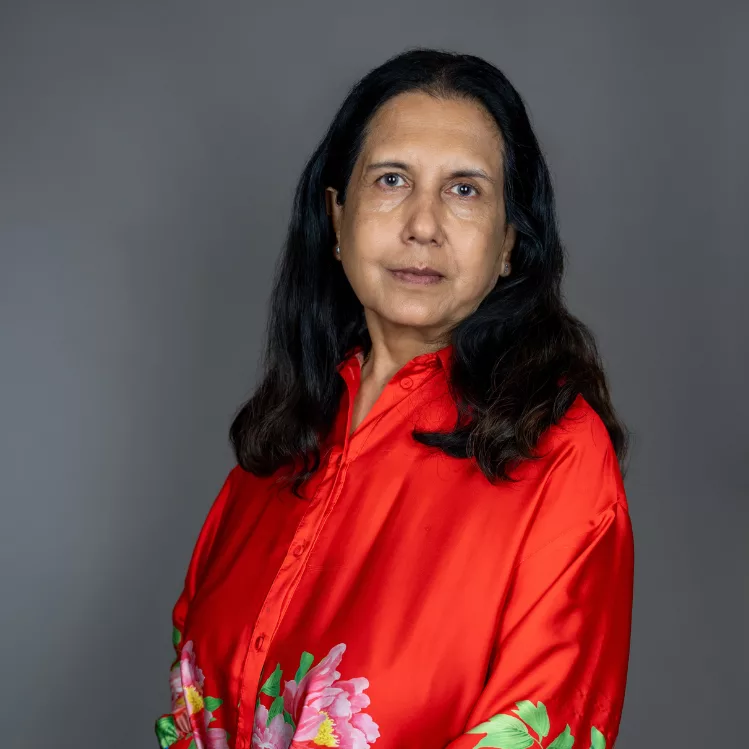
Dr. Mala Basudeo Singh is a Consultant Psychiatrist in the NHS, where she leads a female-only inpatient unit dedicated to addressing the mental health challenges women face. With a deep commitment to both her patients and the broader community, Dr. Singh balances her demanding career with the responsibilities of motherhood and personal well-being, practicing yoga and meditation. As the Joint Secretary of Sahyog, a charity supporting underprivileged girls and acid attack survivors in India, she tirelessly works to empower women through advocacy and fundraising. Driven by a passion to make a lasting impact, Dr. Singh has recently joined Global Women to strengthen further her mission of enhancing the lives of women worldwide.
What inspired you to specialize in psychiatry, particularly in working with women’s mental health?
Coming from an Asian background, I grew up acutely aware of the silence that often surrounds mental health issues in our communities. There is a cultural emphasis on endurance, duty, and family reputation—which can unfortunately lead to emotional suffering being hidden or dismissed. I was drawn to psychiatry because I wanted to break that silence and be part of a profession that validates people’s inner lives. I found myself especially drawn to women’s mental health, as many women—especially in minority communities—struggle with unique layers of stigma, trauma, and unmet needs that are often culturally overlooked.
As a full-time doctor and mother, how do you balance professional demands with personal well-being?
Balance is something I continue to work at. Like many Asian women, I was raised with strong values around responsibility and caregiving, often putting others’ needs before my own. Over time, I’ve learned that sustaining myself—mentally, emotionally, and physically—is not selfish, it’s necessary. I find grounding in yoga, meditation, and staying connected with my cultural and spiritual roots. Creating space for joy and rest is just as important as being productive.
Can you tell us more about your work with Sahyog and the impact it has had on the lives of underprivileged girls and acid attack survivors?
Sahyog is a cause very close to my heart. As someone of Indian heritage, I understand the deep societal and gender inequalities that still exist. Our work supports girls from underprivileged backgrounds and acid attack survivors—many of whom have faced unimaginable violence and marginalisation. Through education, counselling, and skills training, we help them rebuild their sense of identity and independence. It is both humbling and inspiring to witness their resilience and see how cultural compassion, when channelled constructively, can transform lives.
What do you hope to achieve through your involvement with Global Women, and how do you see it shaping your impact in the future?
Global Women allows me to connect with like-minded individuals across cultures who are committed to gender equity and social justice. As an Asian woman, I bring a perspective that reflects both the richness and the challenges of our cultural heritage. I hope to use this platform to advocate for inclusive mental health care, challenge stereotypes, and mentor younger women—especially from minority backgrounds—who aspire to make a difference in healthcare and advocacy.
What changes would you like to see in the way mental health services are provided for women, especially in inpatient settings?
I’d like to see more culturally sensitive, trauma-informed approaches within mental health services. Too often, Asian women’s distress is misunderstood or misdiagnosed because of language barriers, cultural assumptions, or fear of dishonouring their families. Services should be more attuned to the social and cultural contexts of patients’ lives, and involve women as active partners in their care. Safe spaces, diverse staff, and respect for cultural identity can make a huge difference in recovery.
How do cultural and societal factors impact women’s mental health, and what steps can be taken to address these challenges?
Culture shapes how mental illness is perceived, expressed, and managed. In many Asian communities, mental health is still a taboo subject, with strong stigma attached. Women may carry burdens silently due to expectations of obedience, sacrifice, or fear of shame. To address this, we need culturally adapted mental health education, more community-based support, and role models who speak openly about their journeys. Faith, family, and community can be powerful supports—but only if they’re integrated respectfully into care.
What advice would you give to women in high-stress professions about maintaining their mental well-being?
Don’t lose yourself in the roles you perform. As Asian women, we’re often taught to be high-achieving and self-sacrificing, but that can lead to burnout. Make time to listen to your inner voice. Seek support—not just when you’re in crisis, but as a regular part of your wellbeing. Honour your heritage and identity, but also permit yourself to redefine strength on your terms. Boundaries, sisterhood, and self-compassion are powerful tools.
What has been the most fulfilling part of your journey as a psychiatrist, advocate, and mother?
The most fulfilling part has been seeing change—both big and small. A patient recovering their confidence, a girl daring to dream again, or my children learning empathy and resilience. As an Asian woman, I carry the legacy of many who came before me who were not given a voice. To now be in a position to speak, to heal, and to guide others has been both a privilege and a responsibility I hold close to my heart.