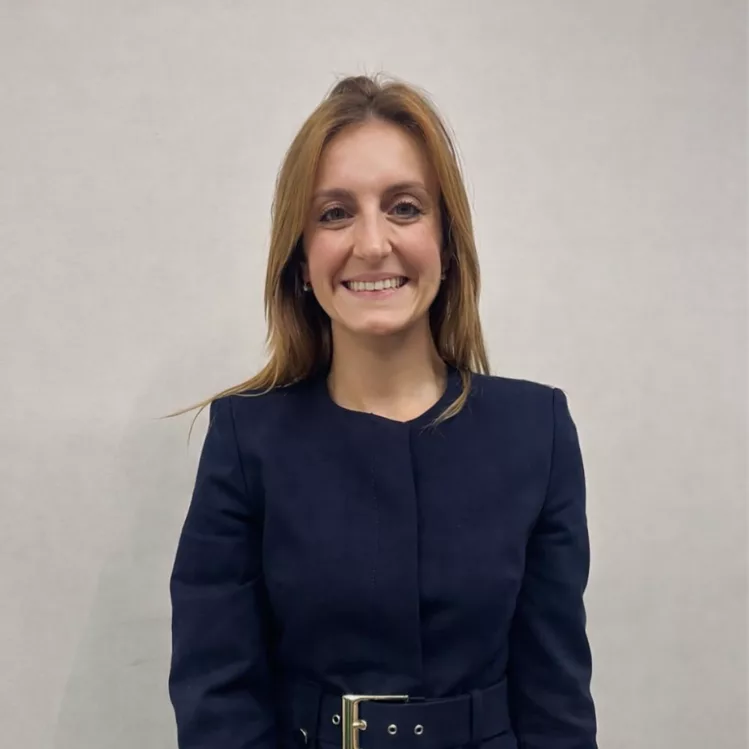



Dr. Linh Trinh An: The Silent Wealth Killer Everyone Misses
Most people think they’re on track financially: a 401(k) here, an IRA there, maybe some life insurance tucked away. But what if all that planning isn’t enough? Dr. Linh Trinh An, a renowned financial strategist, has spent years uncovering the hidden gaps that can derail even the most diligent savers. From unexpected health crises to market downturns, she shows why protection, strategy, and disciplined planning matter far more than luck or guesswork. In this exclusive, Dr. Linh Trinh An reveals the silent threats to wealth and how anyone can safeguard their financial future before it’s too late.
“Wealth isn’t killed by the market — it’s destroyed by lack of protection.”

What was the moment you realized people needed more than just financial advice — they needed real protection and a plan?
When I started asking people questions about their existing plans. Most people have a 401(k), 403(b), TSP, IRA, or life insurance policy — yet they have no idea how any of it actually works in real life. They’re underinsured, unaware of rules, penalties, or tax traps, and they only enrolled because their employer told them to. That’s when I realized people didn’t need more “advice.” They needed real protection, structure, and a plan that works outside of HR paperwork.
When someone sits with you for the first time, what is the truth you want them to walk away with about money?
The truth is most people don’t have the discipline to save for their future before spending on their present. “Pay yourself first” gets misunderstood. It actually means: “pay your future self first.” Save for retirement and long-term goals before spending on hobbies, pleasures, or lifestyle upgrades.
In your experience, what is the biggest silent killer of wealth that most people never see coming?
Not building their risk-management foundation before investing. When life throws a curveball, a broken car, a job loss, a health event, a down market — their entire plan collapses. No emergency fund means debt. No buffer during a market downturn means double losses and exposure to sequence-of-returns risk. The silent killer isn’t the market. It’s the lack of protection.
You talk about strategy, not guesswork. What’s the most dangerous “guessing game” people play with their finances?
Blindly saving and hoping it lasts through retirement. People forget that when Social Security was created, life expectancy was only 62. Now we regularly live into our 80s and 90s. Relying on government funding and “hoping it lasts” is one of the riskiest games people play.
What belief about money did you have to unlearn in order to succeed?
“Save whatever’s left after spending.” No — it should always be the other way around. Pay your future self first, then live below your means. That mindset shift is everything.

Can you share a story of a client whose life changed — not just their bank account — because of the work you did together?
I had a client who was completely uninsurable due to their medical history: open-heart surgery, BMI outside underwriting guidelines, medications — everything. They wanted cash-value life insurance for retirement and market protection but couldn’t qualify. So I pivoted and built the plan through their children instead. The parents own the policies, giving them full access to tax-free compounding, loan features, and long-term growth — without being blocked by health underwriting. Their financial future changed because we found a way around the obstacle.
What’s the one question people should be asking about their financial future — but rarely do?
“How do I make sure I have enough money to last my entire retirement?”
Most people just hope it lasts. Hope isn’t a strategy.
For women especially, money can be tied to fear, guilt or silence. How do you help them reclaim power in that conversation?
I educate and empower them to understand their worth and give them real strategies to protect themselves from unexpected events — divorce, a partner’s declining health, sudden death, or loss of income. Knowledge removes shame. Structure removes fear.
What will separate those who thrive financially in the next 10 years from those who fall behind?
A strong blend of risk management and wealth accumulation. Most people fall behind because every time life happens, they damage their investments to fix the emergency. It becomes two steps forward, one step back. Those who thrive understand real risks — down-market risk, rising tax risk, health risk, mortality risk, sequence-of-returns risk — and they build protection systems that prevent life from derailing their growth.
When you think about your own legacy — what impact do you want to leave behind in the lives you’ve helped?
I want to elevate financial literacy and risk-management awareness in America and change how people perceive life insurance. I want families to build generational wealth because of the structures I helped them create — not just for themselves, but for their children and grandchildren. And I want to inspire a new generation of financial advisors who serve clients with integrity, not their own pockets.
“Pay your future self first. Discipline beats hope every time.”