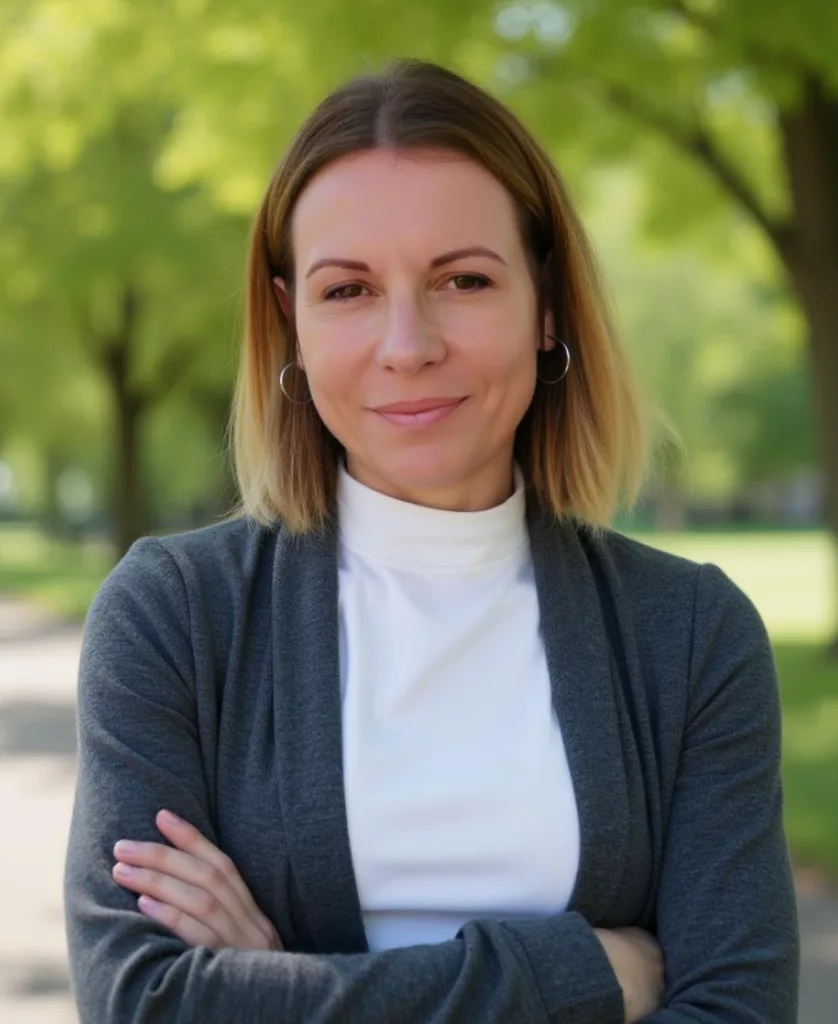
When Women’s Hearts Speak — Dr. Biljana Stojcevski
Women’s hearts don’t always send loud, unmistakable warnings—and that’s exactly why Dr. Biljana Stojcevski has dedicated her career to listening closely. As a leading expert in women’s heart health, she’s seen the subtle signs that are too often ignored, misunderstood, or dismissed. From fatigue and shortness of breath to the silent impact of stress and hormonal changes, Dr. Stojcevski reveals what every woman should know to protect her heart—and why tuning in early can make all the difference.
Your heart isn’t silent—listen and protect it.”
What made you realize women need a different kind of attention when it comes to heart health?
It wasn’t a single moment or experience—it was a combination of what I learned in medical training, what I heard from the women around me, and what I observed in everyday practice.
Every woman experiences profound hormonal shifts during her life, particularly around menopause. Yet, we still don’t talk enough about how these changes affect the heart. The risk of cardiovascular disease rises significantly just before and especially after menopause. At the same time, women often present with subtler, less typical symptoms that are easy to overlook or underestimate. Their concerns are frequently dismissed as stress, anxiety, or simply part of aging.
On top of this, many women prioritize others, family, work, responsibilities over themselves. This is is a pattern I see repeatedly in my practice. And the result? Late diagnoses or even misdiagnoses.
In your everyday work, what early signs do you wish more women paid attention to?
Many women expect heart problems to be dramatic—sudden chest pain or collapse—but early signs are often much quieter: persistent fatigue, shortness of breath during routine activities, general weakness, nausea, or a strange feeling in the chest or stomach. These symptoms are easy to ignore, but if they are new, persistent, or worsening, they deserve attention. They may not always indicate a heart problem, but they can be early warning signs that should never be dismissed.
Why does prevention matter as much—or more—than treatment?
By the time heart disease requires treatment, damage has often already occurred. Prevention allows us to act early—before symptoms develop, before quality of life is affected and before a woman becomes a patient. Small, early changes can prevent years of medication, invasive procedures, or long-term complications.
Adopting a healthy lifestyle as early as possible is key, especially from around age 40, when hormonal changes begin. Prevention doesn’t replace treatment, but it can delay it, reduce its intensity, and in some cases, even make treatment unnecessary.
What is one lifestyle change most women could make today to support their heart?
If I had to choose one, it would be daily movement, ideally combined with strength training 2–3 times a week. It doesn’t have to be intense or perfect. Walking, taking the stairs, stretching, or short exercise sessions woven into everyday life – all count.
The biggest health benefit comes from moving from inactivity to moderate activity. Just 150 minutes of moderate movement per week, like brisk walking, can lower the risk of cardiovascular disease by 20–30%, improve blood pressure, energy levels, sleep, and overall quality of life. The key is not intensity, but consistency.
“Small, consistent steps keep your heart strong.”
From your experience, what are the biggest fears or worries women have about their heart health?
Women are generally afraid of heart disease, but the main problem is that many don’t know exactly what to be afraid of or when. This largely has to do with the fact that women’s heart health is still under-communicated in healthcare and public awareness worldwide.
Without clear information, fears can be absent, excessive, or undefined. Many women focus on family, work, and responsibilities, putting their own health last. They may hesitate to act or feel unsure how to interpret their symptoms. This tension between fear and doubt is something I see constantly: feeling that something is wrong, but not really knowing when or how to act.
How do stress, pressure, and “always taking care of others” show up in a woman’s heart?
Constant state of tension and emotional overload have often physical consequences. Women’s hearts are particularly sensitive to stress, showing different responses than men’s. Chronic stress can lead to elevated blood pressure, heart rhythm issues, poor sleep, exhaustion, low resilience, and emotional disturbances. Over time, this can contribute to chronic heart disease, heart failure, or heart attacks.
Acute emotional stress can even trigger dramatic conditions like “Broken Heart Syndrome,” which predominantly affects women, especially after menopause. All this is a powerful reminder that emotional stress doesn’t stay invisible – it leaves real, physical traces in the heart.
If a woman feels something is “off” but can’t explain it, what do you advise?
I always encourage her to speak with a doctor, describing her symptoms in her own words without minimizing them. Women’s heart symptoms are often atypical and underestimated, so it’s important to speak up clearly and early.
Even more important is not waiting until something feels “off”. Preventive action—regular check-ups, healthy lifestyle, knowing risk factors and taking steps to reduce them is the best protection.
What do you wish families, partners, and society understood better about women’s symptoms?
A woman’s heart, body, and emotions are not the same as men’s. Symptoms may be quieter, but silence doesn’t mean harmlessness. Hormones, stress, and life phases like menopause change how symptoms appear, how disease develops, and how the heart responds to daily stress.
Listening to women and taking them seriously, even when symptoms don’t look “textbook,” can make a real difference—not just for the woman, but for everyone around her. Women’s heart health is not just a “women’s issue” — it’s our shared responsibility and women should not be left alone with it.
How can women stay informed without feeling overwhelmed by medical information?
Quality over quantity is key. The goal isn’t to know everything, but to feel informed and adequately supported when making important decisions about health. I always recommend these three steps:
Turn to a trusted medical professional. Ask clear questions, request explanations, and speak up when confused.
Choose a few reliable sources of information, in consultation with medical experts and stick with them.
Connect with other women—through trusted communities, health groups, or preventive programs. Sharing time and experiences helps put information into real-life context and bring notable support and encouragement.
What is the one message you want every woman to remember about her heart?
Your heart is not silent—it’s waiting to be heard. Listen to it, protect it, and it will take you far.
Did you enjoy this article and find it helpful? Why not share it with your social media network below?
Global Woman magazine is a media platform to highlight success stories of women around the world and give them the space to express themselves. We have a team of professional journalists who conduct interviews and coordinate different articles with global experts in different areas and backgrounds. If you are interested to collaborate please click here to fill the form or email at [email protected]