


From Surviving to Living: Becky Jones Journey Back to Herself
There comes a moment in every woman’s life when the noise gets too loud to ignore — the expectations, the roles, the pressure to hold everything together while quietly falling apart inside. For Becky Jones, that moment arrived after years of pushing, pleasing, performing, and shrinking. What looked like strength on the outside was really survival on the inside.
This is the story of how she slowly untangled herself from a life that didn’t feel like her own. It’s a journey through childhood conditioning, the weight of generational patterns, the raw honesty of motherhood, and the dark night of the soul that forced her to finally stop running.
But more than anything, this is a story of reclamation — of voice, of power, of faith, of desire, and of the woman she was always meant to be. Becky didn’t just rebuild her life; she remembered it. And in doing so, she discovered that healing isn’t about becoming someone new, but coming home to the self you were never allowed to be.
“Healing isn’t becoming someone new — it’s coming home to yourself.”
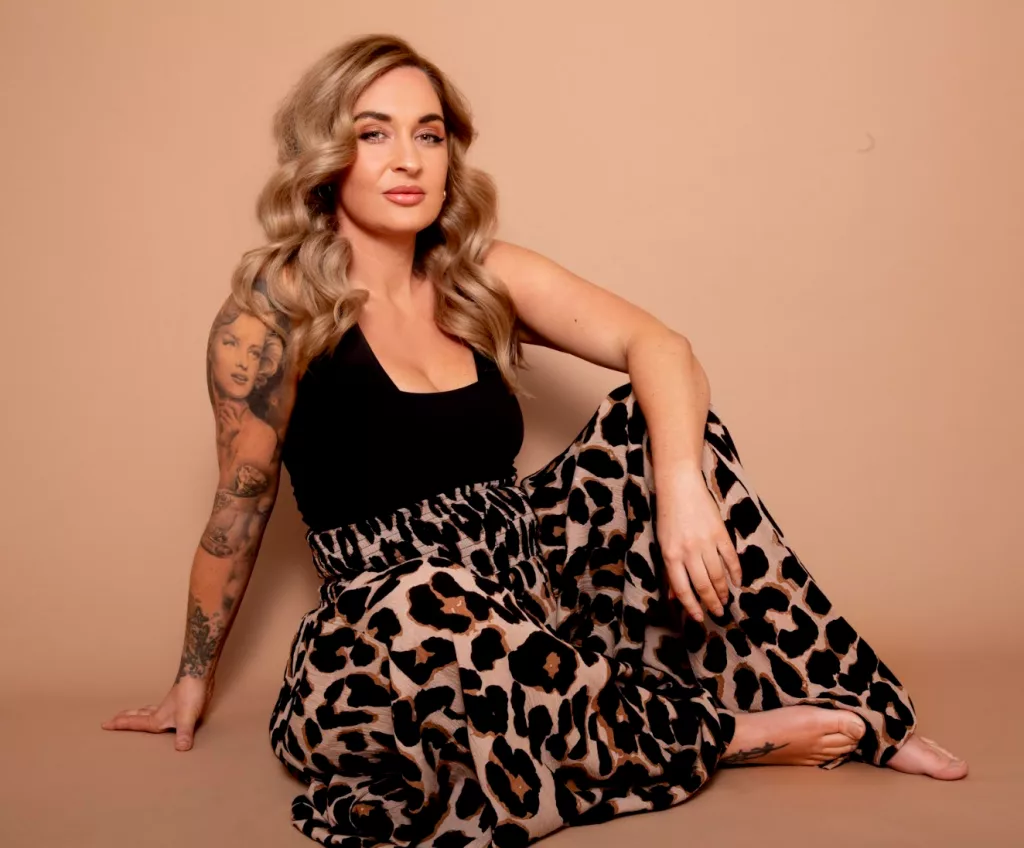
When did you first realize you were living a life that didn’t feel like yours?
From a very young age, I knew I was different. I didn’t have the tolerance to blindly fit in or do as I was told, I was always questioning, always pushing boundaries. But as I moved into adulthood, that wildness was slowly conditioned out of me. I placed myself into a box of seriousness, responsibility, and expectation. Hustle and burnout became constant companions, a low-level irritation I tried to ignore by doing more. The realisation came when I saw that no amount of achievement was making life feel better, it was only pulling me further away from who I truly was.
How did your childhood experiences show up in your life as an adult?
My childhood experiences showed up as self-doubt, powerlessness, and a deep habit of shrinking myself to fit what others believed was “right” for me. I learned early that being quiet, agreeable, and small felt safer than taking up space. As an adult, this translated into silencing my own voice, questioning my worth, and living according to external expectations rather than my own truth.
How did being a mom change the way you saw yourself and your patterns?
Becoming a young mum was both incredibly beautiful and deeply challenging. At the time, I had little understanding of my emotions or any real sense of stability within myself. Motherhood revealed the unhealed patterns running through my family lineage, patterns of disconnection, emotional suppression, and unresolved trauma. I reached a moment where I had to decide whether I would continue that cycle. I made a promise to myself that I would do everything I could to heal. I now have three children, and each one has brought me back into my power, helping me strip away societal constraints and redefine motherhood on my own terms.
You’ve talked about hitting a very dark moment, what helped you find hope again?
That dark moment stripped everything back. What helped me find hope wasn’t a quick fix or a mindset shift — it was surrender. I stopped trying to fix myself and instead allowed myself to feel what I had spent years avoiding. Through stillness, honesty, and reconnecting with God in a deeply personal way, I began to remember who I was beneath the survival patterns. That reconnection showed me I wasn’t broken, I was disconnected from myself and carrying more than I was ever meant to carry alone.
What does “truly living” mean to you now, compared to just surviving?
Surviving is about getting through the day. Truly living is about feeling safe enough to enjoy it. Now, living means presence, peace in my body, emotional honesty, and allowing myself to desire more without guilt. It’s no longer about pushing harder or proving myself — it’s about alignment, trust, and choosing a life that feels expansive rather than restrictive.
“Surviving gets you through the day. Living lets you enjoy it.”
What patterns or habits did you have to face to start healing?
I had to confront not only my addiction to busyness, but also my reliance on numbing through alcohol and drugs. These patterns were never about recklessness, they were about escape. I also had to face the belief that I wasn’t worthy of a life filled with love, ease, and success. Healing meant reclaiming my power from people and situations where it had been taken or abused, and learning to choose myself without guilt or fear.
How has your faith or connection to God helped you through your journey?
God is not a religion to me, God is the energy of creation. Once I realised that we all have access to that divine presence within us, everything shifted. That connection became my anchor in everyday life. It reminds me that I am never alone, that life is not happening to me but for me, and that even the detours are divine redirections. When I drift off course, I trust that God is always guiding me back.
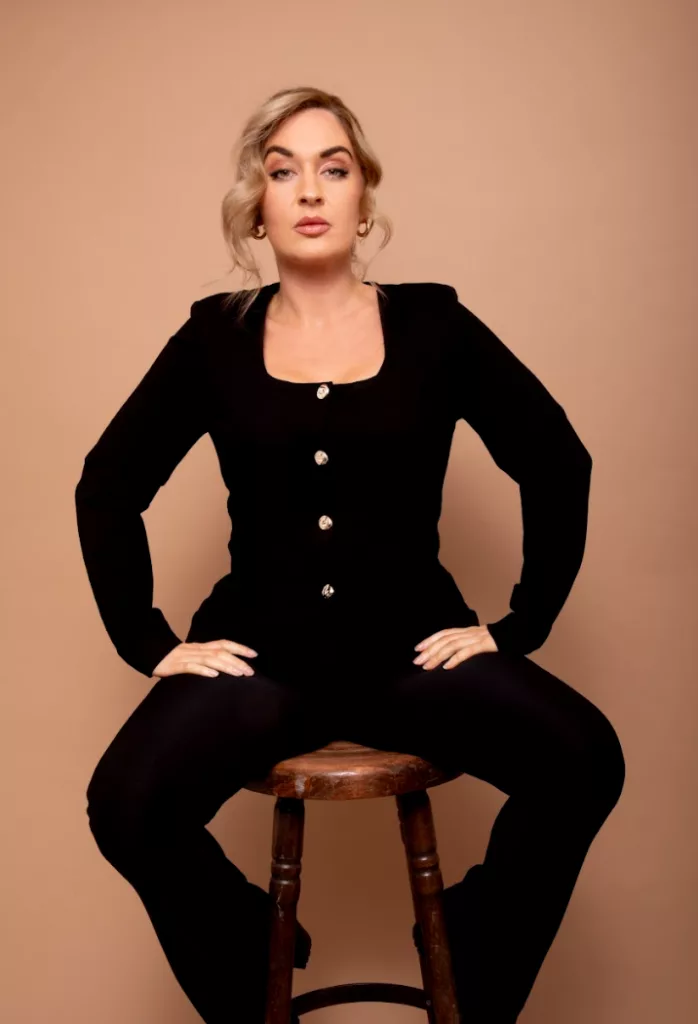
What parts of yourself did you have to reclaim to feel like the person you were meant to be?
I reclaimed my power to choose what was right for me. I reclaimed my voice, especially the ability to say no when something didn’t align. I reopened my heart to love, trust, and possibility. And perhaps most importantly, I reclaimed my right to aspire. After years of being told I was “thick” or incapable, allowing myself to dream again was a radical act of self-belief.
What do you see most often holding women back, and how do you help them move past it?
What I see most often isn’t a lack of ability, it’s a lack of safety within the body. Many women are stuck not because they don’t know what to do, but because their nervous systems are still operating from survival. Fear, procrastination, and self-doubt are often treated as mindset issues, when they are actually subconscious patterns rooted in lived experience. I help women move past this by working at the root, helping them rewire their mind and body so confidence, clarity, and aligned action become natural rather than forced.
What’s the one thing you hope women take away from your story?
That they’re not broken, behind, or failing. They’re responding perfectly to what they’ve lived through. And with the right support, self-trust, and safety, it is always possible to stop surviving and start living a life that feels aligned, peaceful, and truly their own.