



Tennessee Cavalcante: The Gardener of Growth
Multi-Global-Award-winning Success, Sales, and Leadership Coach Tennessee Cavalcante has spent over two decades helping leaders and entrepreneurs transform how they grow — from quick wins to lasting, purpose-driven success. Known as “The Gardener of Growth,” she blends business strategy with trauma-informed coaching to nurture confidence, conscious leadership, and long-term results. Her mission is simple yet profound: to help people build businesses — and lives — that thrive season after season, rooted in strength, self-awareness, and sustainable success.
You’re known as “The Gardener of Growth.” What does that name mean to you, and how does it reflect your approach to leadership and coaching?
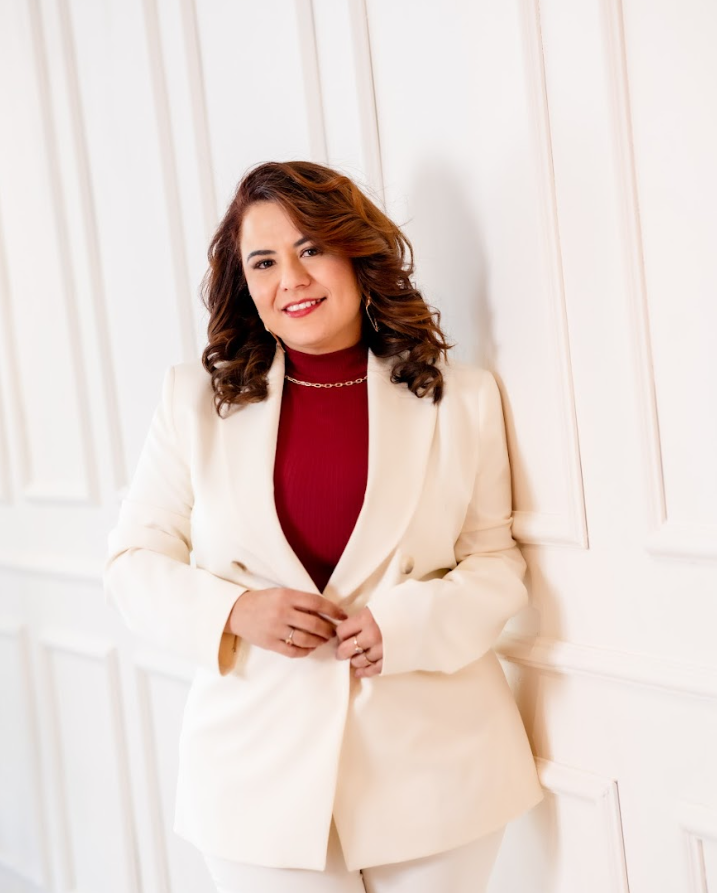
The name came to me during a moment of reflection on how I approach both success and human potential. I realized that growth, whether in business or life, doesn’t happen through force — it happens through nurturing.
I see myself as a gardener of growth because my role is to help others cultivate strong roots before they bloom. Roots represent mindset, emotional intelligence, values, and vision — everything that sustains long-term success.
In leadership and coaching, I don’t just help clients “grow faster”; I help them grow wiser, more grounded, and more aligned with who they are. Just like a gardener, I tend to the soil first — and when that foundation is healthy, success becomes inevitable.
After 20 years in IT, social media, and enterprise sales, what inspired you to transition into success and leadership coaching?
Throughout my corporate journey, I achieved many milestones — record-breaking sales, awards, leadership roles — but I began noticing a deeper calling.
I realized that the real magic wasn’t in closing the deal, but in developing people: mentoring teams, unlocking potential, watching others rise. That was always where my energy came alive.
At the same time, I saw how many brilliant professionals were burning out, disconnected from purpose, and leading from survival rather than vision. I wanted to help shift that — to guide leaders and entrepreneurs toward success that’s not only measurable, but meaningful and sustainable. That’s when I began my evolution into coaching.
You combine business strategy with trauma-informed and systemic coaching — how do these worlds come together in your work with clients?
For me, strategy and self-awareness are two sides of the same coin. You can have the most brilliant business strategy in the world, but if your mindset, nervous system, and relationships aren’t aligned, you’ll keep hitting invisible ceilings.
Trauma-informed and systemic coaching allow me to see the human beneath the professional — understanding how early experiences, belief systems, and emotional patterns influence how we lead, sell, and grow.
When we integrate these insights with strategic action — planning, execution, structure — the transformation becomes holistic. It’s not just business growth; it’s personal evolution.
What are some of the biggest mindset shifts you help leaders and entrepreneurs make when they want to create long-term, sustainable success?
The biggest shift is from achievement to alignment. Many high performers chase outcomes without realizing they’re running on exhaustion or proving energy.
I help them redefine success as something built on purpose, clarity, and emotional sustainability. That means moving from control to trust, from scarcity to sufficiency, and from perfection to presence.
When leaders embody that mindset, their teams thrive, creativity flows, and business becomes a reflection of inner stability rather than external pressure.
You’ve achieved remarkable results over your career. What moment or experience are you most proud of — and why?
Winning awards and breaking records were incredible milestones, but the moments I’m most proud of are the quiet ones — seeing a client or team member finally believe in themselves.
I’ll never forget one particular leader I coached who went from deep burnout and self-doubt to completely transforming her leadership style and tripling her team’s performance. Watching her shift from survival to self-trust reminded me why I do this work.
Because success isn’t just about metrics; it’s about meaning. And when people reconnect with who they truly are, the results follow naturally.

Many leaders today struggle with burnout and disconnection. How do you help them reconnect to purpose and build healthier business ecosystems?
We begin by slowing down — something most leaders resist at first. But just like in nature, growth requires rest, reflection, and regeneration.
I help them reconnect with their “why,” reassess where their energy is leaking, and rebuild from a place of intention. We explore boundaries, emotional regulation, and conscious communication — because leadership starts with self-leadership.
A healthy business ecosystem mirrors a healthy nervous system: balanced, responsive, and grounded. When leaders regulate themselves, they naturally create workplaces that thrive instead of merely survive.
You speak about creating “businesses that thrive season after season.” What are the key ingredients for that kind of sustainable growth?
Three things: roots, rhythm, and relationships.
Roots are your foundation — values, mission, and self-awareness. Rhythm is your ability to adapt and evolve — knowing when to plant, when to prune, when to pause.
And relationships are the ecosystem — clients, teams, partnerships — that nurture ongoing growth.
Sustainable success isn’t about constant expansion; it’s about conscious evolution. When those three elements are in harmony, your business doesn’t just grow — it flourishes.
How do you define conscious leadership in today’s fast-changing business landscape?
Conscious leadership is self-aware leadership. It’s leading with presence, empathy, and integrity — understanding that every decision carries emotional, cultural, and energetic impact.
It’s about replacing ego with empathy, hierarchy with humanity, and performance pressure with purpose-driven action.
In today’s world, conscious leadership isn’t a luxury — it’s the foundation of resilience and relevance. The future belongs to leaders who know how to stay grounded while inspiring growth in others.
You’ve worked across different industries and cultures. What have you learned about the universal qualities of great leadership?
No matter the country, culture, or title, the best leaders share three universal qualities: emotional intelligence, curiosity, and courage.
They listen more than they speak. They’re open to feedback, unafraid of vulnerability, and deeply invested in their people. They understand that leadership isn’t about being the loudest in the room — it’s about creating space for others to shine.
True leadership transcends industries. It’s human.
As you continue building your personal brand, what legacy or impact do you hope your work will leave on the next generation of leaders?
My greatest hope is that leaders remember that success without roots doesn’t last.
I want to inspire a new generation to lead consciously — to build businesses and lives that thrive season after season because they’re grounded in authenticity, emotional intelligence, and purpose.
If I can be remembered as someone who helped others grow differently—from the inside out—then I’ve done my job as The Gardener of Growth.