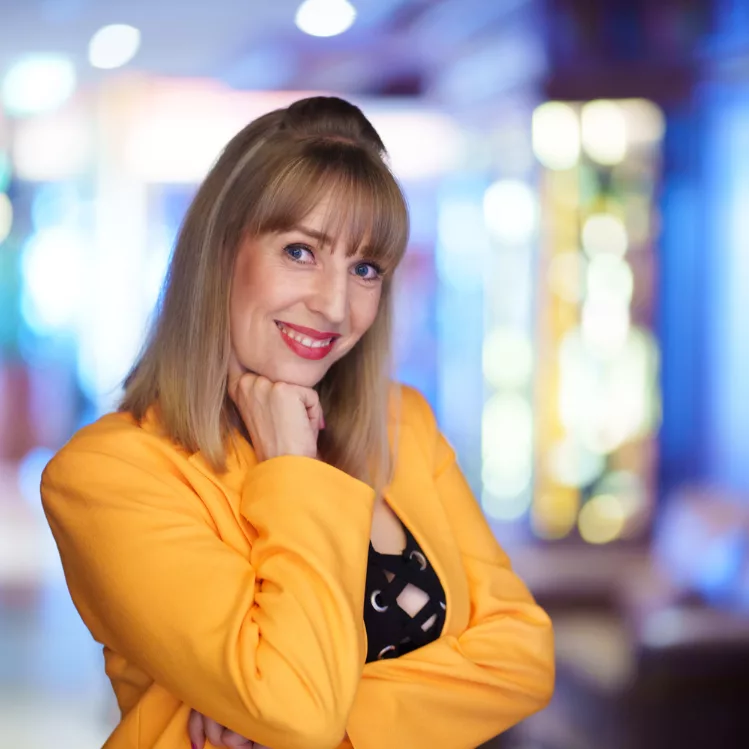


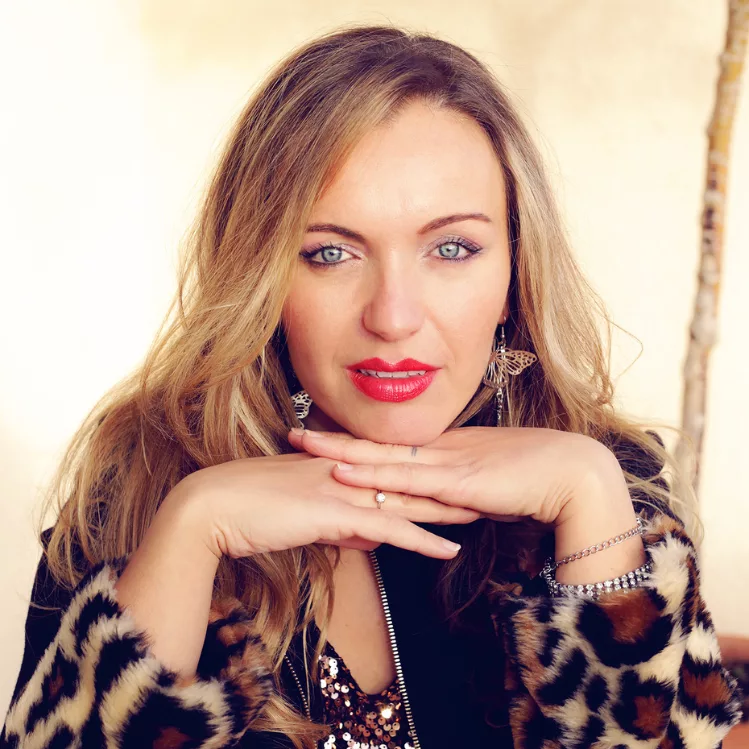
Monica Micheli Panozzo: The Woman Who Turns Ideas into Unforgettable Experiences
I’m Monica Micheli Panozzo, and my life has been a tapestry woven from curiosity, creativity, and connection. From my early days as a teenage radio voice in the mountains of Veneto to hosting television shows, writing an aphrodisiac cookbook, and creating international events like the first-ever Balkans Sea Fair, I’ve always chased ideas that others thought impossible. For me, every project is more than work—it’s an experience to be felt, remembered, and shared, whether it’s a recipe that stirs the senses, a story that sparks inspiration, or an event that brings the world together.
What was it like growing up in the mountains, and how did it shape the way you see the world?
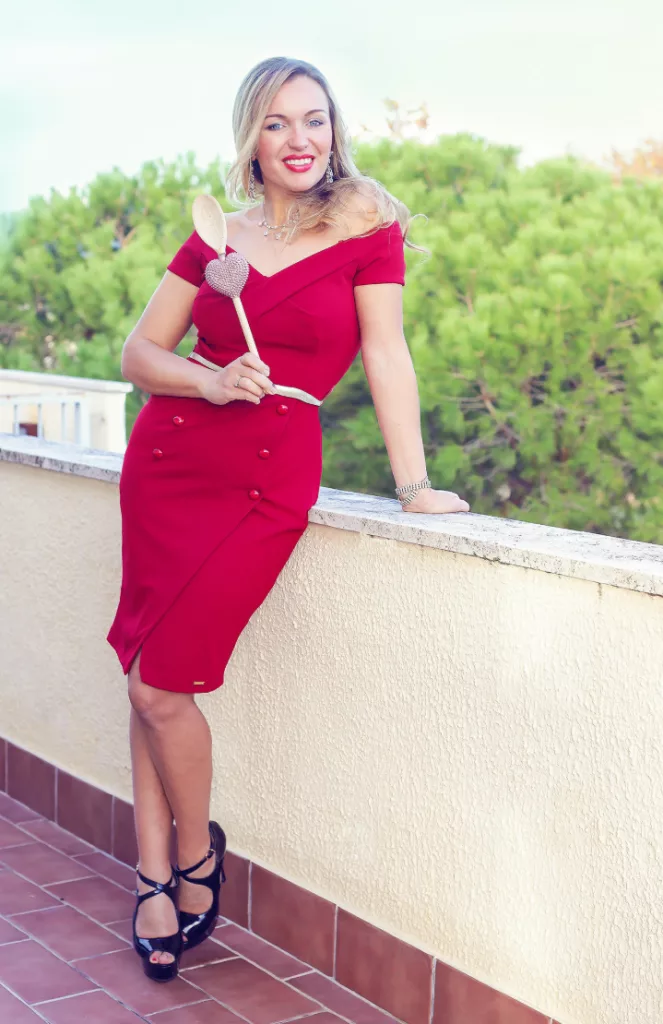
Growing up in a mountain village of just 500 people was both magical and challenging for someone as creative as I was. I learned early on that if I wanted something to happen, I had to make it happen myself. My first theatre production happened when I was six, in my backyard. I cast my brothers and cousins in The Death of Tutankhamun—a play I had written myself—but decided to dub all their voices by recording the lines on cassette, because I didn’t think they could quite capture the drama. I sold tickets at the weekly market, and about twenty people came to watch… until halfway through, when my grandmother stepped out on the balcony and shouted that it was bedtime.
That spirit never left me. I was always on the front line of our village’s pro loco, and later in every town I lived in, especially during the tourist season. I created cultural events that mixed tradition with a twist—like the “Strambolimpiadi,” a series of ridiculous competitions from mobile phone throwing to a wife-carrying race. Or “Il Grullaio di Vergaio,” a national contest for emerging comedians that I ran for five years in the hometown of Roberto Benigni.
Living in such a small, close-knit place taught me that creativity thrives when you work with what you have, and that community events—whether small or eccentric—can leave a big mark.
You started in media so young — what did you learn about yourself during those early years?
I like to say I was born with a microphone in my hand, even though in everyday life I often come across as shy. But give me a stage, a radio booth, a cinema screen, or a theatre spotlight — I’m part of a comedy theatre company — and something in me switches on. Engaging people, drawing them in, and sparking interaction isn’t just a job for me, it’s essential to my soul. I need it the way some people need air.
I love challenging myself with the most different audiences, from gala dinners to small-town festivals, and seeing if I can move them, make them laugh, or make them feel something. Sometimes I’ve wondered if that’s narcissism or a need to be the centre of attention, but the truth is simpler: I just can’t bear sitting in the audience when a host isn’t up to the task. I feel sorry for the wasted energy, for the missed chance to make people feel truly alive in that moment.
What sparked the idea behind ErosKitchen, and why do you think it resonated with so many people?
ErosKitchen is on standby right now, mostly because there’s a huge misunderstanding about its core idea. My project is rooted in eros, which is the complete opposite of pornography. Eros can’t be “seen” in a literal sense — it’s about connection, not consumption. Pornography pushes souls apart; eros draws them closer. Porn is part of a consumerist empire, tied to a world driven by anger, domination, and a kind of cosmic emptiness. And in that, I see a very deliberate political design.
To explain what I mean, I often tell the myth of Eros and Psyche. Eros, the small god of love and son of Aphrodite, falls for the beautiful Psyche. Aphrodite allows their love only on one condition: the two must never see each other. Eros represents that intoxicating stage of falling in love — almost like being under a spell — when we are like naked children with wings, and dangerously enough, armed. Psyche is the reasoning side of us, the thinking self.
They meet, they fall deeply in love, and they spend nights together. But Psyche’s attendants plant seeds of doubt: “What if he’s old, ugly, monstrous?” After all, she has never seen him. One night, she lights a candle while he sleeps. The hot wax spills onto him, he wakes, and vanishes.
That’s the heart of ErosKitchen. During my events, I teach people to use all five senses to truly enchant — something we’ve almost forgotten how to do. We’re addicted to a system of pure image and cold reason, and eros is the antidote.
How does food connect to emotion and memory, in your experience?
Proust already answered this beautifully with his madeleines. From the moment we’re born, do you know which sense we use to find our mother’s milk? Smell.
It’s an underrated sense today, yet it’s magical — in a heartbeat, it can summon vivid events and extraordinary chains of associations, especially through food. And the same goes for taste, touch, sight, and hearing. A dinner prepared with attention to all our senses will stay in the hearts of your guests forever, etched into their memory in a way they’ll never quite forget.
What was it like sharing your passion for sensual cuisine on national TV?
Honestly, it was strange and complicated. I was under strict instructions never to use the word aphrodisiac, which was considered too “hard” for an afternoon audience of housewives. The real challenge was finding fresh ways to express the idea of seduction every single time, even though my view of it is, as I’ve said before, extremely elegant and refined.
There’s still a lot of prudishness around this topic. So rather than dilute or trivialise it, I decided to put the idea into hibernation and wait for better times.
What gave you the courage to launch the Balkans Sea Fair — something no one had done before?
There are a few magic words that instantly set me in motion. In this case — as in many moments of my life — they were: “It’s impossible. You’ll never pull it off.”
When someone says that to me, something takes over that I can’t control, something that goes beyond logic. And most of the time, thank God, they turn out to be wrong 🤣.
In this case, I was so certain that the maritime industry could be the true future of Albania that I was ready to bet everything I had just to get the country to start thinking in those terms. And I did it.
When things got tough, what kept you going?
I was probably a pit bull in a past life — I never let go. If you want me to drop the bone, you’ll have to knock me down first 🤣.
Every idea, every project I take on is like a child to me. They have the same dignity and value as people in my eyes, and I could never abandon or betray them. So when things get tough, I simply get tougher and find a way to see them through — even if I reach the finish line completely exhausted.
What does “translating experiences” mean to you, and how do you bring that into your events?
To me, “translating experiences” means taking what I’ve lived and felt deeply and turning it into something tangible that others can connect with. In my events, especially those about sensual cuisine and eros, I focus on creating moments that speak to all the senses — taste, smell, touch, sight, and sound — so people don’t just hear about an idea but feel it.
It’s about making the invisible visible, the intangible tangible. I want my guests to leave with memories that aren’t just intellectual but emotional and physical. That’s how I bring my experiences to life for others.
How do you balance motherhood, creativity, and big international projects?
It’s not easy. Until my kids turned about ten and eight, I wanted to be present every moment. Honestly, it was also a duty, since we don’t have grandparents living nearby. My mother is 400 kilometres away, my mother-in-law is about an hour’s drive and quite elderly. So, we were pretty much on our own.
But we genuinely wanted to take care of their childhood the way my mother was there for us. At the same time, I’ve raised them to be very responsible. That means now I can trust leaving them at home alone because they know how to cook, clean, keep their appointments, and get around independently. Over time, their dad has also learned to be more involved, so now I like to think of us as a solid team.
When someone walks away from one of your events or creations, what do you hope they carry with them?
Wherever I’ve found myself in life, I’ve always been perceived as an anomaly in the system. That has never bothered me — in fact, I see it as my strength. I always want to go against the common way of thinking. I don’t take anything for granted or believe it just because I’m told to. Even if it means facing failure, I’d rather find out for myself whether things are truly as people say or not, instead of swallowing everything passively. Every event I create is meant to prove this: whatever you believe, it’s not the only way to see it.
If I could get even just a tenth of humanity to truly understand this message, chances are wars would no longer exist.
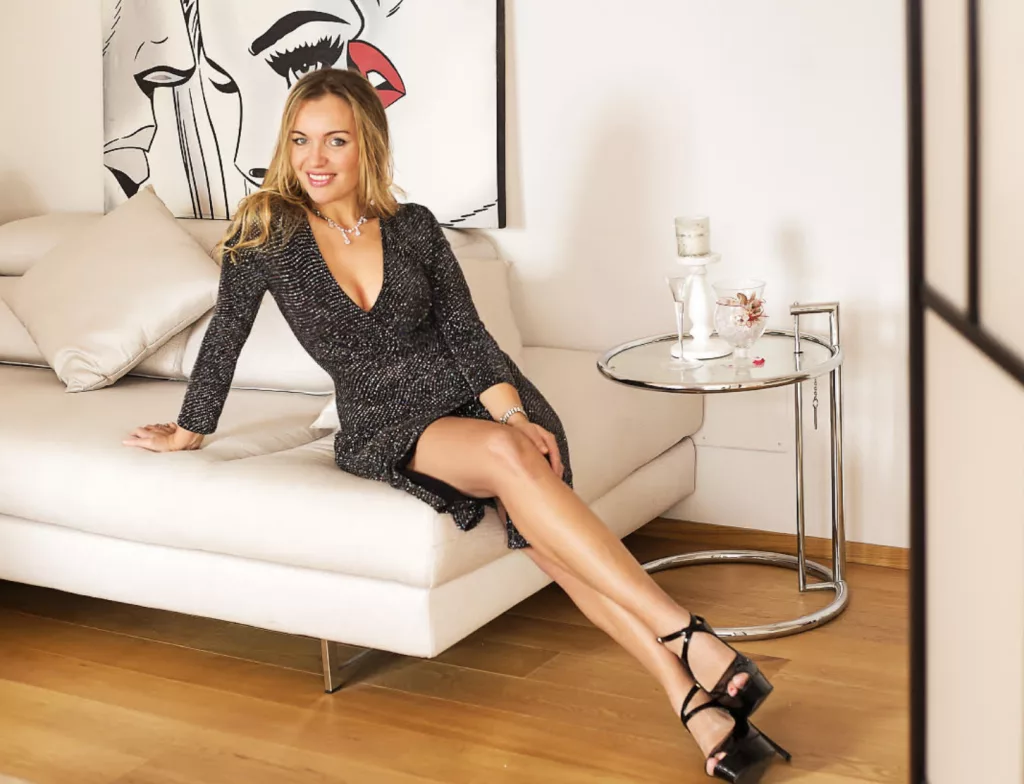
Photo credits to Liliana Di Marco Ph.