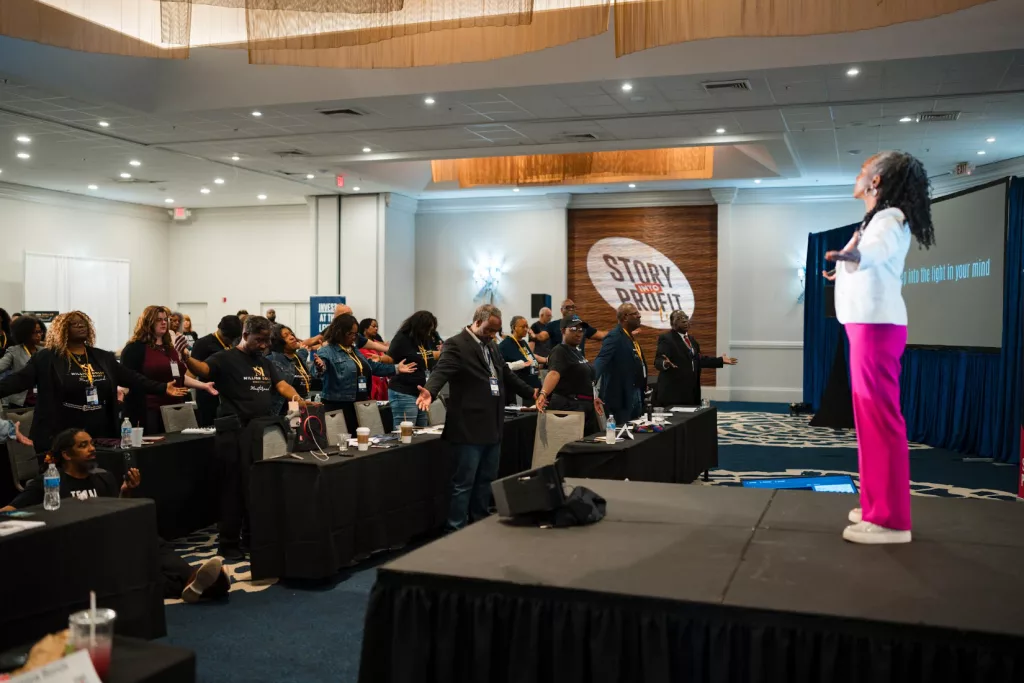



Star Bobatoon: Unmuted, Unapologetic, Unstoppable
How one woman turned pain into purpose—and a stage into a movement.
From child actress to courtroom powerhouse, from personal heartbreak to professional rebirth, Star Bobatoon has lived many lives—and reclaimed her voice in every single one. Once told she was “too much,” Star dimmed her light to fit in. But when life stripped everything away—her job, her marriage, her sense of self—she found something far more powerful: her truth.
Now a sought-after speaker, coach, and transformational storyteller, Star helps women do what she once had to do for herself—unmute, own their presence, and speak with unapologetic clarity and conviction. Whether on a big stage or in a boardroom, she believes every moment you speak is a chance to move hearts, shift narratives, and change lives.
This is more than public speaking.
This is soul-speaking. And Star is leading the way.
You’ve had such a rich career—from the courtroom to the stage. What ties all those experiences together for you?

It’s been quite a journey! It started on the stage, then… to the courtroom… and then back to the stage.
I started as a child actor in TV, film, and theatre. Performing was in my blood, and I loved it. But somewhere along the way, I felt the pressure that so many women do—that maybe I was “too much.” So, I did what many of us are taught to do: I dimmed my light and muted my voice. I stepped away from the spotlight and chose a more traditional path.
I became an attorney and built a good life. On the outside, it all looked great. But inside, I knew something was off. And when life as I knew it started to fall apart—losing my father, my job, and my marriage—it forced me into a deep season of reinvention. And that journey brought me right back to the stage, this time not as an actress, but as a speaker, trainer, and coach.
The throughline in all of it has been storytelling.
Whether I was playing a character as a young actress, crafting a persuasive case as a lawyer, or now helping professionals captivate an audience, it always comes down to this: the ability to tell an impactful story. Storytelling is the thread that holds everything together—and it’s the most powerful tool I know to connect, influence, and transform.
What inspired you to help others master public speaking?
You know, it’s not public speaking that I focus on—it’s something much deeper than that.
What truly inspires me is helping women reclaim their voices. I work with women who, like I once did, have chosen—or felt forced—to dim their light, mute their voice, or shrink their presence. Sometimes it’s internal. Sometimes it’s cultural, societal, or systemic. But the result is the same: brilliance that goes unseen. Voices that go unheard.
And I know what that feels like—because I lived it. I know the pain of silencing yourself to make others comfortable. I know what it’s like to disconnect from your power.
So my work isn’t just about teaching someone how to speak from a stage. It’s about unmuting. It’s about helping women remember who they are, step into the spotlight, and speak with clarity, conviction, and unapologetic power.
My deepest joy is watching someone move from hiding to shining. From silence to full volume. From questioning themselves to owning the room. That’s what drives me.
What’s the biggest mistake you see people make when they speak in public—and how can they fix it?
There are two big mistakes I see over and over again.
The first is a lack of clarity. People don’t take the time to get clear on what they want to say—and as a result, they ramble, they repeat themselves, they lose momentum, and they lose their audience.
To fix that, I teach a simple framework called M.A.P:
Message – What exactly do you want to say?
Audience – Who are you talking to, and what do they need?
Purpose – Why are you saying it? What’s the outcome you want?
When you know your Message, your Audience, and your Purpose, you speak with confidence and clarity—and your audience feels it.
The second mistake is forgetting that speaking is more than just words. It’s about presence. It’s about how you show up, how you hold yourself, your energy, your voice, your volume. I believe every time you speak, it’s a performance—and every place you speak —whether it’s a keynote, a team meeting, or a Zoom call—is your stage. Too many people step onto stages (big and small) and don’t deliver the performance their message deserves.
So what’s the fix?
Get clear using M.A.P.
And then show up and deliver like it matters—because it does.
That means being intentional about how you show up and being willing to get the training you need. Invest in coaching. Learn the art of presentation. Don’t just wing it. When your message matters, your delivery should too.
How do you help someone find their voice and presence on stage?
I help people find their voice and presence the same way I found mine—by unmuting the parts of themselves they’ve hidden, silenced, or forgotten.
It’s one holistic process. As we work together, something powerful begins to surface: a quiet but urgent question that’s often gone unspoken— Why aren’t you speaking?
The answer is rarely just about fear of public speaking. It’s about something deeper: moments when they were overlooked, shut down, or made to feel like their voice didn’t matter. Sometimes it’s internalized perfectionism. Sometimes it’s cultural or generational silence. But whatever it is, the process brings it to light—and we reclaim the power in it.
Then we clarify their message using my MAP framework—Message, Audience, Purpose. And once they’re rooted in what they want to say and why it matters, we work on how to say it with presence, confidence, and heart.
Because presence isn’t just about body language or volume—it’s about alignment. When someone knows who they are, what they stand for, and what they’re here to say, that presence becomes magnetic.
So I don’t just coach people to speak—I walk with them as they remember who they are, reclaim their voice, and step into the spotlight with power and purpose.
You say every time you speak, it’s a performance. How can someone bring that mindset into a business presentation?
I was once rejected three times when I applied to speak at a particular conference. But then, at a simple networking event, I introduced myself with my Irresistible Marketing Statement—and the host of that same conference just happened to be in the room. She heard me, was immediately intrigued, and invited me to speak at her event.
Moments like that—just a few sentences during an informal introduction—have opened the door to paid speaking engagements and new clients. It doesn’t have to be a giant conference or a spotlight moment to count.
That’s what I mean when I say: every time you speak it’s a performance. Every time you speak is a chance to make an impact. Whether you’re in a one-on-one sales conversation, delivering a business briefing, giving a team update, or even having a casual conversation in the hallway, you’re on a stage. And the way you show up matters.
So how do you bring that performance mindset into your presentations?
You prepare. You get clear on your message. You own your voice. You show up with energy, intention, and presence. You make the most of every opportunity to connect.
Because you never know who’s listening—or what opportunity is waiting on the other side of that moment.
What did you learn from working with Les Brown’s speaker training program that still influences your coaching today?
What I learned from Les Brown—hands down—is the power of storytelling. And I still apply those lessons every single day.
When I first decided to return to the stage, I’ll be honest—I had doubts. I wondered if there was room for someone like me. I’m big energy. Big personality. Lots of jokes. But most of the speakers I saw back then were more polished, more reserved, more stoic. And I started to question (again) if I was too much.
But then… I saw Les.
He was animated. He was expressive. He was silly. He had me laughing one minute and crying the next. Watching him on stage was like watching magic in motion—storytelling and performance, woven together into something unforgettable.
That was the moment I realized: There IS room for me.
There’s room for joy. For energy. For authenticity. For storytelling that moves people to feel and take action.
And that’s what I bring into my work now. I don’t just coach people to tell stories—I help them perform them, embody them, and deliver them in a way that makes people feel something real. That’s the legacy of Les Brown, and it continues to shape everything I do.
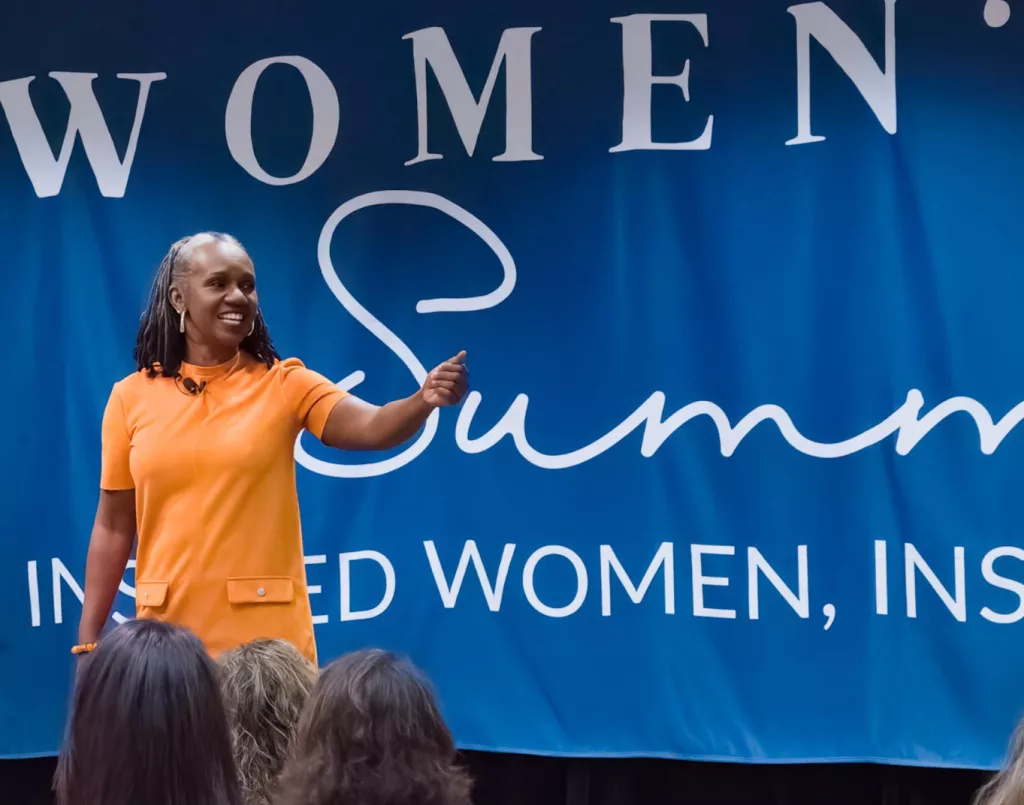
How do you balance humor, drama, and storytelling when teaching others to speak with power?
Honestly? I don’t try to “balance” them—I just let them breathe.
We’re not robots—we’re human beings. And human communication is naturally filled with layers: joy, heartbreak, humor, triumph, vulnerability. The most powerful speakers embrace that, rather than trying to manage it.
When I teach storytelling, I encourage people to feel the story as they tell it. Some parts will be funny. Some will be deep. Some will be dramatic. But when it’s real, the audience goes with you.
Humor lets people exhale. Drama pulls them in. Storytelling holds it all together and gives the message emotional texture. I don’t ask people to tone it down—I ask them to trust it. To trust their voice, their presence, and the natural rhythm of the story they’re telling.
When you do that, you don’t have to balance anything. You just have to be true.
Can you share a breakthrough moment with a client that moved you?
There are so many stories I could share—women who went from shy, timid, and hiding to standing fully in their power on stage. But the moment that moved me the most came from my work with a recovery house for women.
These were women who had been through incredibly hard things—experiences most people couldn’t even imagine. And with those experiences came deeply negative inner stories—beliefs about who they were, what they were worth, and what was possible for them.
I took them through my storytelling process, helping them identify those inner narratives born from the pain of the past, and rewrite them—turning shame into strength, and pain into purpose. One woman in particular stood out. She leaned in. She remembered how much she used to love writing. She poured herself into the work.
And week after week, I watched her transform. Her body language changed. Her confidence started to rise. You could see the light coming back into her eyes.
Then, she was invited to share her story at a fundraiser. And when she stood on that stage… she owned it. Her voice shook—but it was strong. Her words were honest and raw. And by the time she finished, there wasn’t a dry eye in the room.
That moment reminded me why I do this work. Because helping someone reclaim their voice isn’t just about public speaking—it’s about healing, power, and possibility. That was a breakthrough I’ll never forget.
How can someone turn fear of public speaking into fuel for connection and impact?
First, I think it’s important to understand that fear isn’t a flaw—it’s feedback. It means you care. It means something about this moment matters to you. And instead of running from it, I teach people how to listen to it and then leverage it.
Fear often shows up when your voice has been ignored, silenced, or dismissed in the past. So the first step is to honor it—without letting it be in charge. I help people get to the root of that fear, not just manage the symptoms.
Then we transform it by anchoring into purpose. When you stop obsessing about yourself—how you look, how you sound—and start focusing on the people you’re called to serve, everything shifts.
You realize: this isn’t about perfection. It’s about connection.
That shift allows the nervous energy to become power. It becomes presence. And when that happens, your fear becomes your fuel. Not something to fight—but something to flow with.
And when people see you show up, heart pounding but still standing strong, they don’t judge you—they connect with you. They root for you. That’s when impact happens.
What’s one piece of advice you wish every speaker, coach, or entrepreneur would take to heart?
Stop waiting for permission.
You don’t need anyone to validate your voice, your story, your brilliance. If there’s one thing I wish every speaker, coach, or entrepreneur would truly believe, it’s this: you are already enough—and your voice matters.
You’ve got something that someone needs. Your story. Your coaching. Your message. Your product or service. And they won’t get it from anyone else—because no one else can deliver it like you. Your voice is unique. Your journey is unrepeatable. Your impact is irreplaceable.
You don’t have to wait for a spotlight. You are the spotlight.
And you don’t just strengthen your voice for yourself. You do it for the people who are waiting to hear from you. The people whose lives will shift when you finally stand up, speak out, and serve fully.
So don’t play small. Don’t dim down.
Embrace your inner light and be the STAR you were born to be.